Alternative route found: Leveraging microfluidics and mathematical modeling to navigate translational drug discovery and development
Biological systems are inherently dynamic, and static measurements are often insufficient to capture the complex temporal interplay between drug exposure (pharmacokinetics, PK) and biological response (pharmacodynamics, PD). Nevertheless, current preclinical experimental approaches remain limited in their ability to systematically investigate these dynamic PK-PD relationships. Most in vitro studies, for example, rely on constant drug concentrations that fail to recapitulate the time-varying exposure profiles observed in vivo. Animal studies can provide valuable PK-PD insights, but species-specific differences in drug disposition and pharmacological response often limit their translational relevance to human patients. To bridge these gaps, mathematical models have become increasingly important within model-informed drug development frameworks. While such models are powerful tools for predicting drug behavior and informing decision-making, their success depends on experimental systems that can generate data tailored for model parameterization and validation. To address this need, we have developed a custom microfluidic perfusion platform capable of exposing cells to precisely controlled, physiologically relevant drug concentration profiles. By integrating these fit-for-purpose microfluidic assays with mechanistic PK-PD and quantitative systems pharmacology models, our research seeks to expand the translational PK-PD toolbox, reduce reliance on animal studies, and improve the likelihood of clinical success for investigational therapeutics. In this seminar, I will provide an overview of this platform and highlight its application to the design and translation of proximity-inducing drugs and molecularly targeted cancer therapeutics.
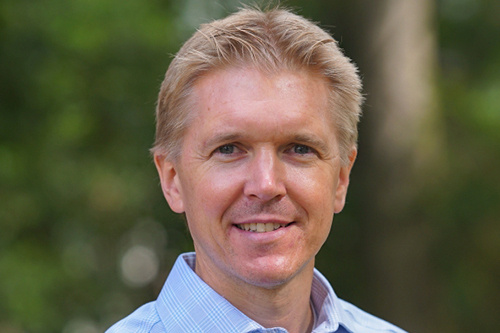
Bio: Derek Bartlett is an assistant professor in the Division of Pharmacotherapy and Experimental Therapeutics within the Eshelman School of Pharmacy at the University of North Carolina at Chapel Hill. He received a BS degree in chemical engineering from Stanford University and M.S. and Ph.D. degrees in chemical engineering from Caltech. At Caltech, his dissertation research in the laboratory of Dr. Mark Davis focused on the development of targeted delivery vehicles for siRNA therapeutics. Following postdoctoral training in cancer immunotherapeutics and radiation oncology at City of Hope under the guidance of Dr. Andrew Raubitschek, he spent 15 years working within the pharmaceutical industry across a variety of functions including formulation, process development, quantitative systems pharmacology, and translational modeling and simulation. During this time, he led conjugation process development for antibody-based molecular imaging agents, developed mechanistic PK-PD models for drug modalities including bispecific T cell engagers and targeted protein degraders, helped create novel vaccine adjuvants, and spearheaded the design and implementation of microfluidic PK-PD assays for drug discovery programs. His research group at UNC builds upon this foundation by combining mechanistic PK-PD modeling and microfluidic assays as an animal-alternative approach to guide the design and translational development of proximity-inducing drugs, antibody-drug conjugates, and molecularly targeted therapeutics.