Ph.D. student Sarah Henretta investigates how the mechanical properties of cancer cells influence breast cancer metastasis, with the goal of uncovering vulnerabilities that could lead to improved diagnosis, prognosis and treatment.
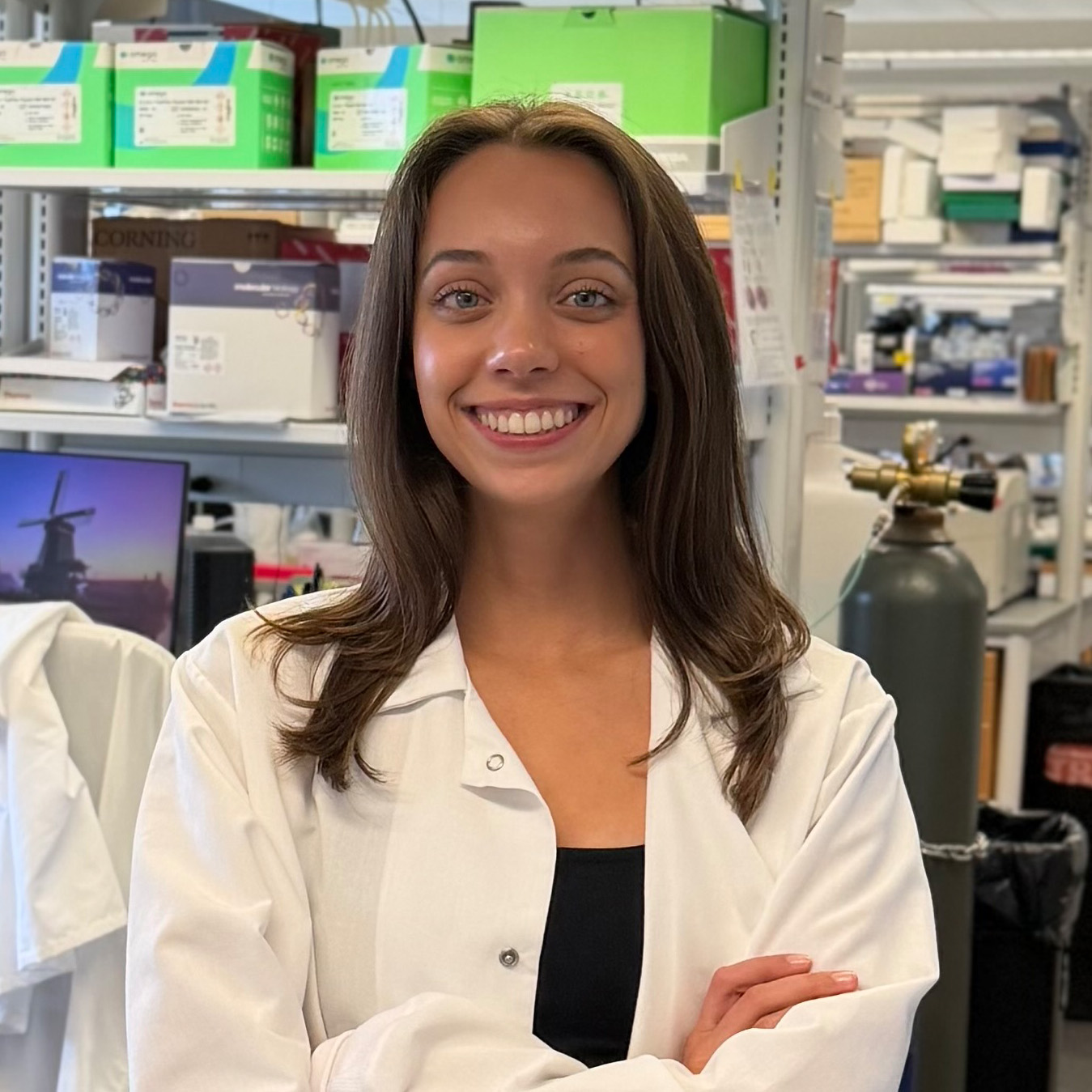
Sarah Henretta
-
Program
Ph.D. in biomedical engineering
-
Hometown
Fairport, NY
-
Research Area
Mechanobiology, breast cancer.
-
Faculty Lab Affiliation
Jan Lammerding Lab
-
Preferred pronouns
she/her
-
More
What’s your Cornell story?
I grew up in Fairport, NY, a suburb outside of Rochester, and chose to attend Rochester Institute of Technology (RIT), where I studied mechanical engineering and played on the women’s basketball team. I chose RIT because of its strong academics and because it gave me the opportunity to compete as a varsity athlete. At the time, though, I didn’t fully appreciate the opportunities for undergraduate research that RIT would provide.
As I progressed through my mechanical engineering coursework, I realized that I really enjoyed thinking and learning like an engineer, but I struggled to identify an application that I felt especially passionate about. Somewhat by chance, I was connected with the NanoBio Materials Lab at RIT and was immediately welcomed into the lab. I ultimately completed two full-time co-ops there, along with several additional semesters of part-time research. Because RIT has a much smaller graduate student population than Cornell, I was given a unique opportunity to take ownership of my own undergraduate research project, as well as mentor other undergraduate students. Looking back, that experience was incredibly formative and I believe it gave me the confidence, independence, and technical skills that made the transition to Ph.D. research feel very natural.
My undergraduate research focused on whether dosing fibroblasts with varying concentrations of extracellular vesicles could promote wound healing and closure. I spent a lot of time watching cells migrate under the microscope, and I think that was the first time I really appreciated the dynamic and individual nature of cell movement, and it sparked questions that I continue to think about in my Ph.D. research today. As I became increasingly interested in these questions, I found myself drawing on the way I learned to think as a mechanical engineer – taking concepts like force balance and dynamics and considering how they might apply at the scale of a single cell. My interest in cancer research was also personal, having lost my grandmother to breast cancer a few years earlier. When I began looking at graduate programs, I discovered Jan’s lab and the research immediately felt like the kind of work I wanted to do.
At the same time, Cornell felt like a reach school for me. I remember getting my acceptance email while I was home on winter break making Christmas cookies with my family and having to re-read the email to make sure. Even after being accepted, I remember feeling nervous about making the decision to come to Cornell. With the rotation system there was no guarantee which lab I would ultimately land in or if I would succeed, and I had much “safer” offers available. As I was making the decision, someone asked me, “What if everything works out exactly the way you want it to?” That question has really stuck with me and has shaped how I think about believing in myself and taking chances.
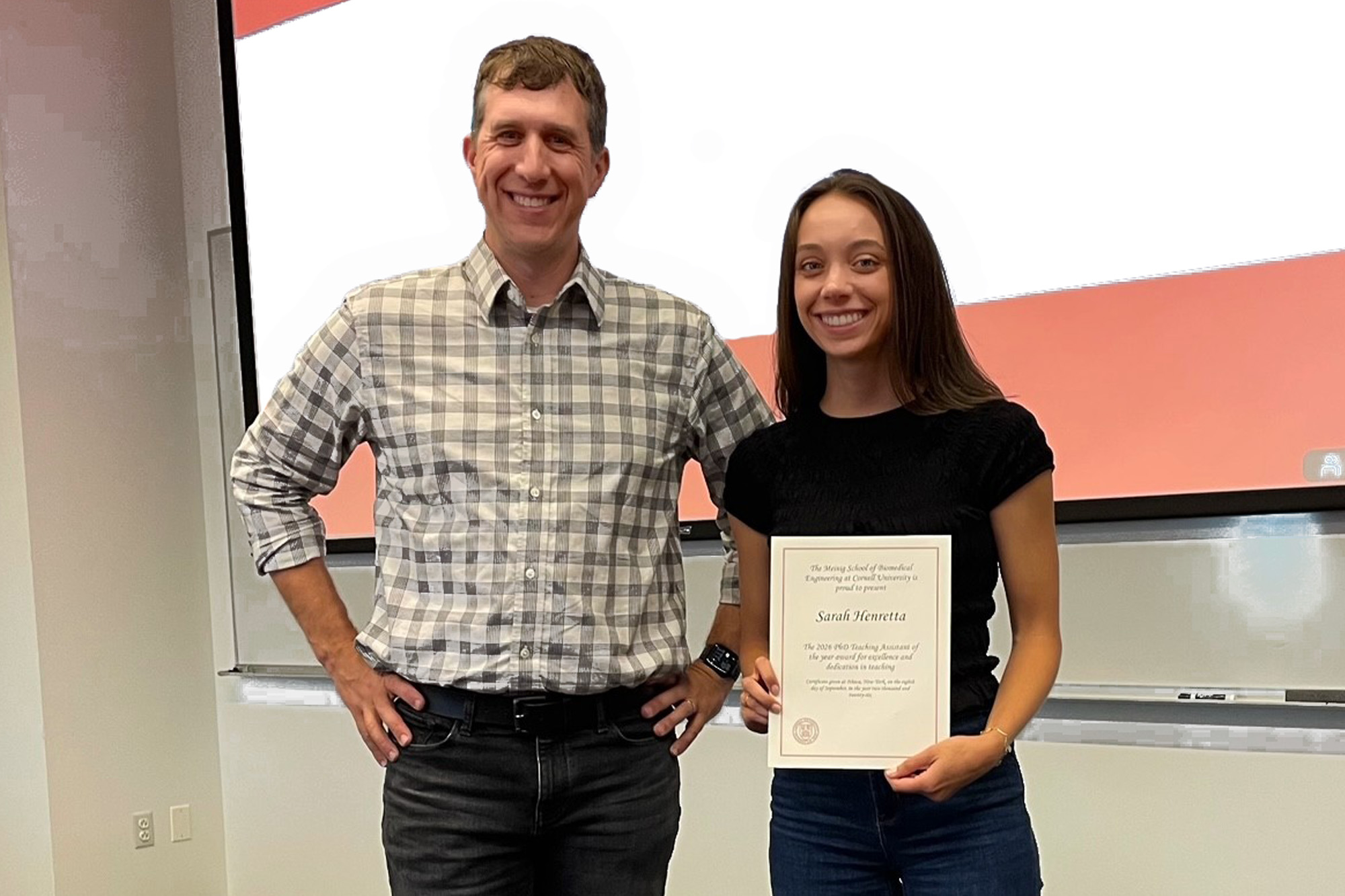
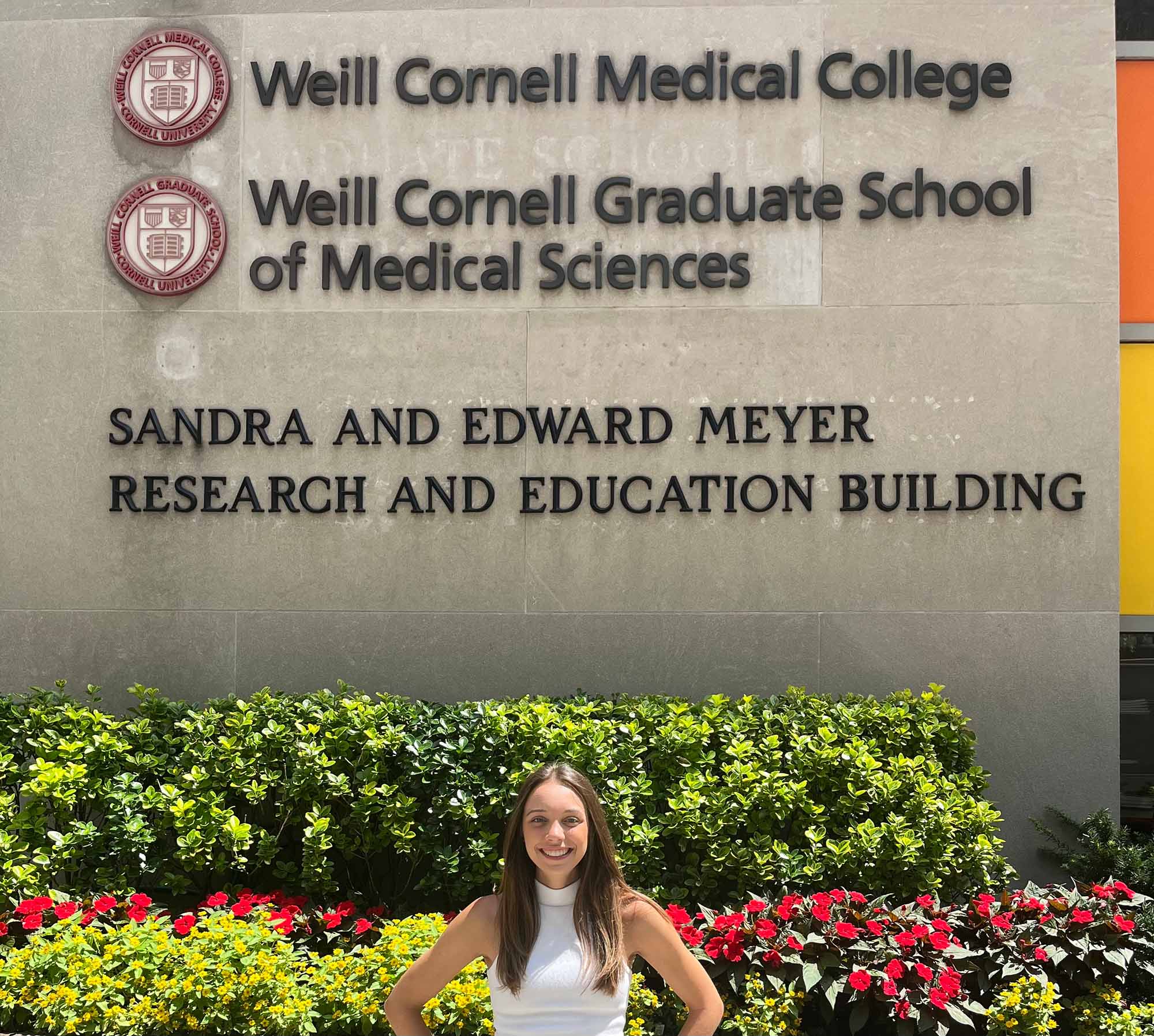
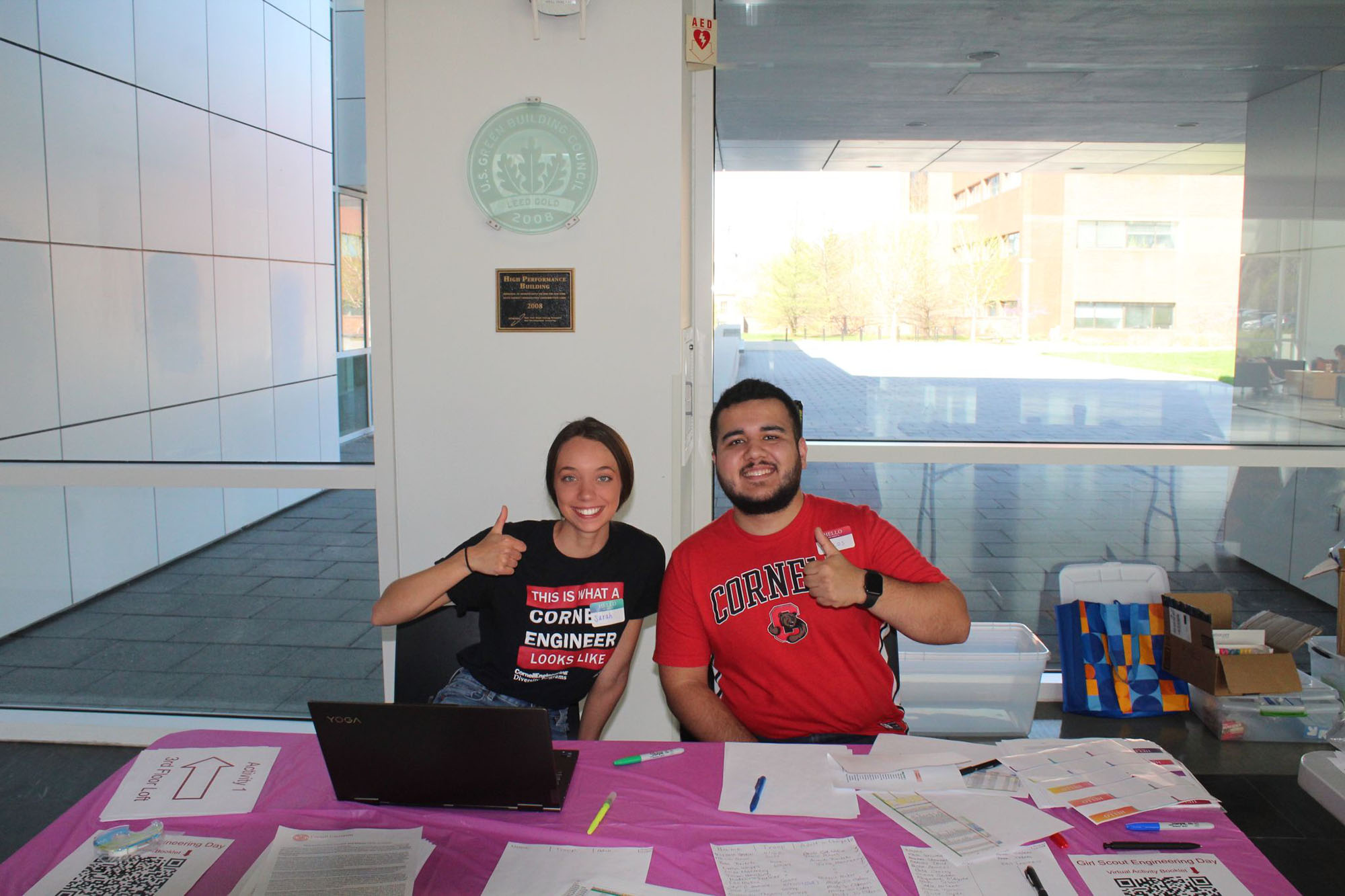
What is your area of research and why is it important?
My research focuses on how the mechanical properties of cancer cells influence their behavior during breast cancer metastasis. At the heart of my research is the question, what makes some cancer cells successful at metastasizing while the vast majority are not? Only a small fraction of cancer cells that escape the primary tumor successfully establish metastases at distant sites. Understanding what sets these cells apart could help us better understand and ultimately target metastatic disease.
During metastasis, cancer cells face a variety of physical challenges, from shear stress as they travel through circulation to squeezing between other cells and through confined spaces as they migrate through the body. I want to understand whether a cell’s ability to withstand and adapt to these challenges influences its success in metastasizing.
To investigate this, I developed a cell model that allows me to manipulate the mechanical properties of the cell, specifically its nucleus. I then study how these cells behave under laboratory conditions that mimic the physical challenges of metastasis, including compression, shear stress and confinement during migration, as well as in vertebrate models of metastasis.
This work is important for two reasons. First, abnormal nuclear mechanics is associated with aggressive breast cancer, so understanding this relationship may help us predict and determine disease behavior in patients. Second, if successful metastasis depends on specific mechanical properties, identifying those dependencies could improve diagnosis and prognosis while revealing physical vulnerabilities in cancer cells that may ultimately be therapeutically targeted.
What has your Cornell Ph.D. experience been like so far?
I struggle to define my Ph.D. experience as any one thing. It has been fun. I love the work I do, the people I work with, my cells, the microscopes, and I am grateful for resources at Cornell. I have also had the opportunity to work with and mentor many undergraduate students, and watching them grow, succeed, and enjoy research motivates me every day. That said, it has also been incredibly challenging at times – late nights in the lab, experiments that didn’t work, and having to sacrifice time with friends and family when an experiment or deadline requires me to be in the lab. During those more challenging moments, I try to remember that, at the end of the day, I’m incredibly grateful for the opportunity to do my Ph.D. at Cornell, particularly in the Lammerding Lab, with the resources and flexibility to pursue the research questions I’m most passionate about.
One thing that I think has been important in maintaining my balance and perspective over the past few years has been getting involved in my community outside of research – coaching basketball in the Ithaca City School District, teaching cycling at Island Health Club, and finding a running community here. Having participated in sports throughout my childhood and through college, it was a big transition to no longer have a defined time in my day for that outlet and break. Finding ways to maintain that part of my identity and stay active has been incredibly rewarding. It has also allowed me to meet new friends, connect with people from very different backgrounds, and have conversations that I otherwise never would have, which has been especially valuable during the more challenging parts of my Ph.D.
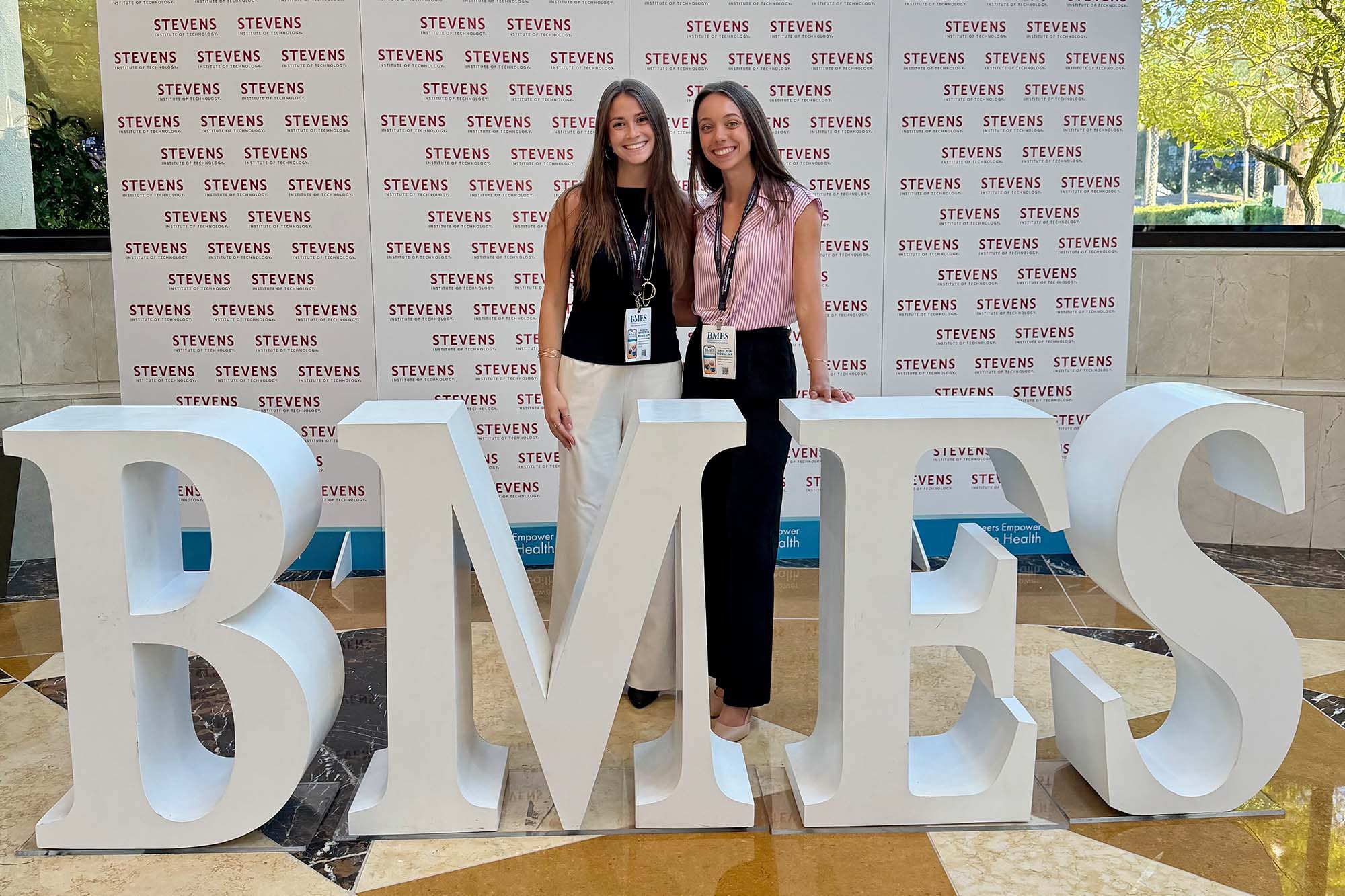
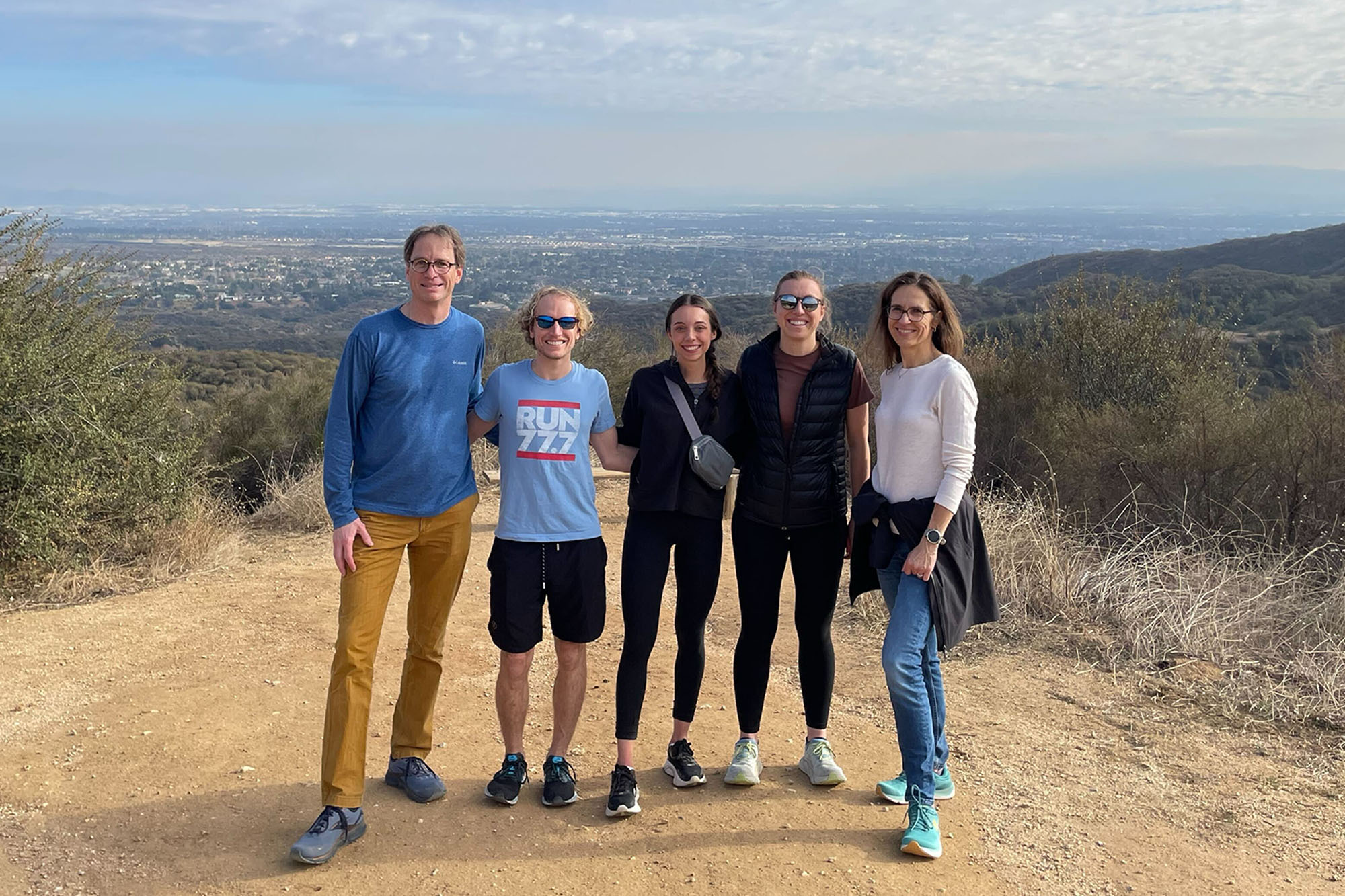
What do you do for fun?
Outside of my research, I like to spend time with friends and family and stay active. I spend a lot of time on the many trails and at the many waterfalls around Ithaca, either running with friends or walking my dog. I also enjoy being part of my gym community, whether I’m teaching or taking cycling classes!
What’s next for you?
I’m still exploring exactly what I want my next steps to look like and staying open to different opportunities and focusing on finding a role where I can build on the skills and interests I’ve developed during my Ph.D., while finding a community I can make a positive impact in.
Any advice for other students considering research in biomedical engineering?
Pay attention to what aspects of your research and classes genuinely excite you, versus what simply feels like work, and let that guide your decisions.
Favorite Cornell memory?
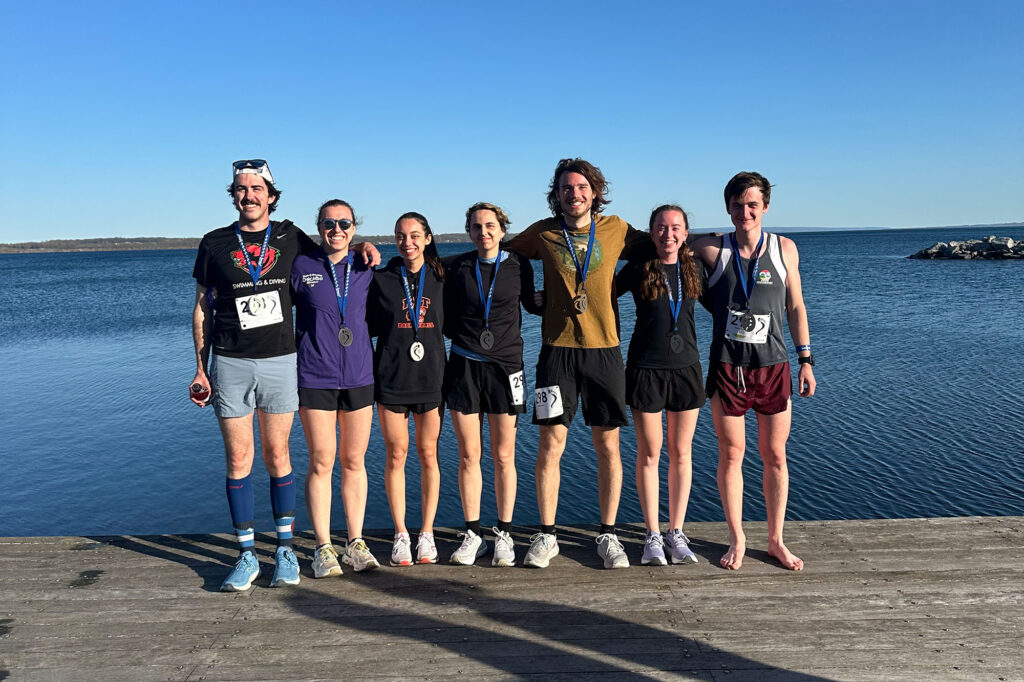
One of my favorite memories was running the “Seneca7” a race that follows a path around Seneca lake—approximately 77.7 miles! I did this twice with our informal Meinig School team.
Anything else you’d like to share?
I think the biggest thing I learned during my Ph.D. is to prioritize continuing to live your life while working towards your degree. My first year, I had a long list of things I would do “after my Ph.D.” After some self-reflection, I stopped waiting and started figuring out how to balance those things with making progress in my research. I think that has made me both happier and more productive in the lab. It’s easy to let your research become your whole life, but a Ph.D. can take a long time, and I’ve learned I do my best work when I make time to prioritize who I am outside of the lab too.