Where Concepts are Taught, Tested, and Realized
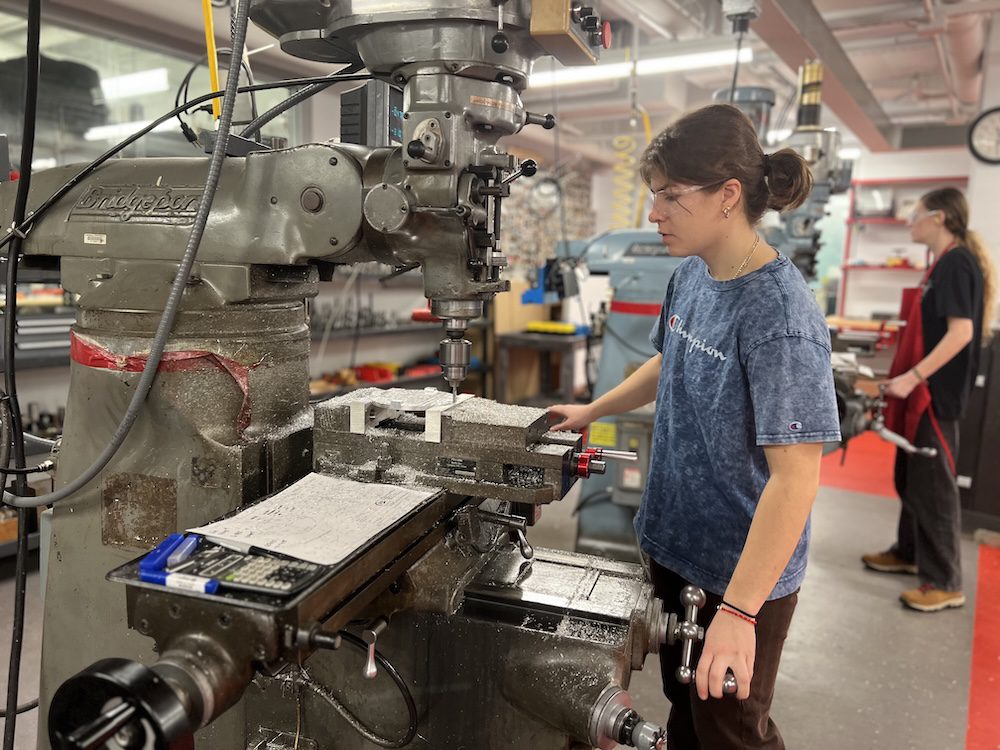
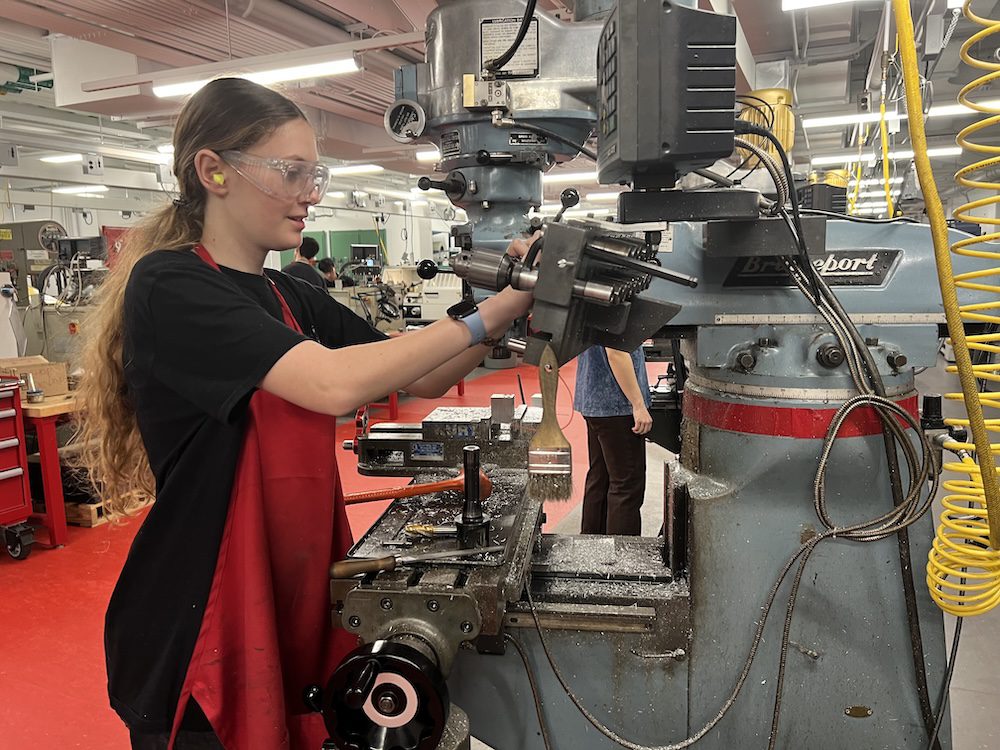
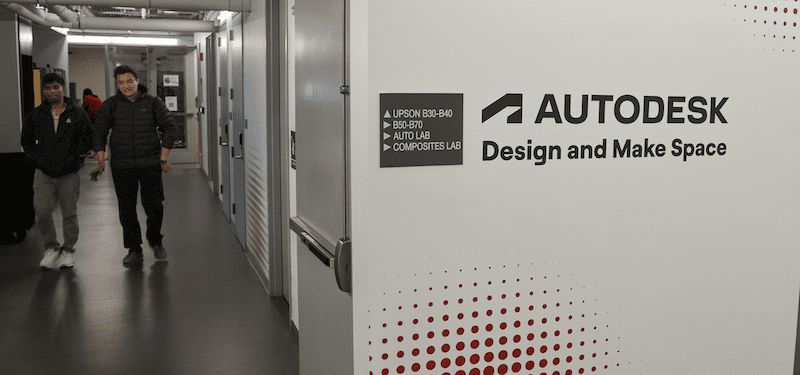
The Autodesk Design and Make Space is the hub of hands-on learning for students in the Sibley School of Mechanical and Aerospace Engineering. Located in Upson Hall, the space has been transformed into a next-generation fabrication and manufacturing facility—giving students direct experience with the tools, systems, and workflows that define modern engineering practice.
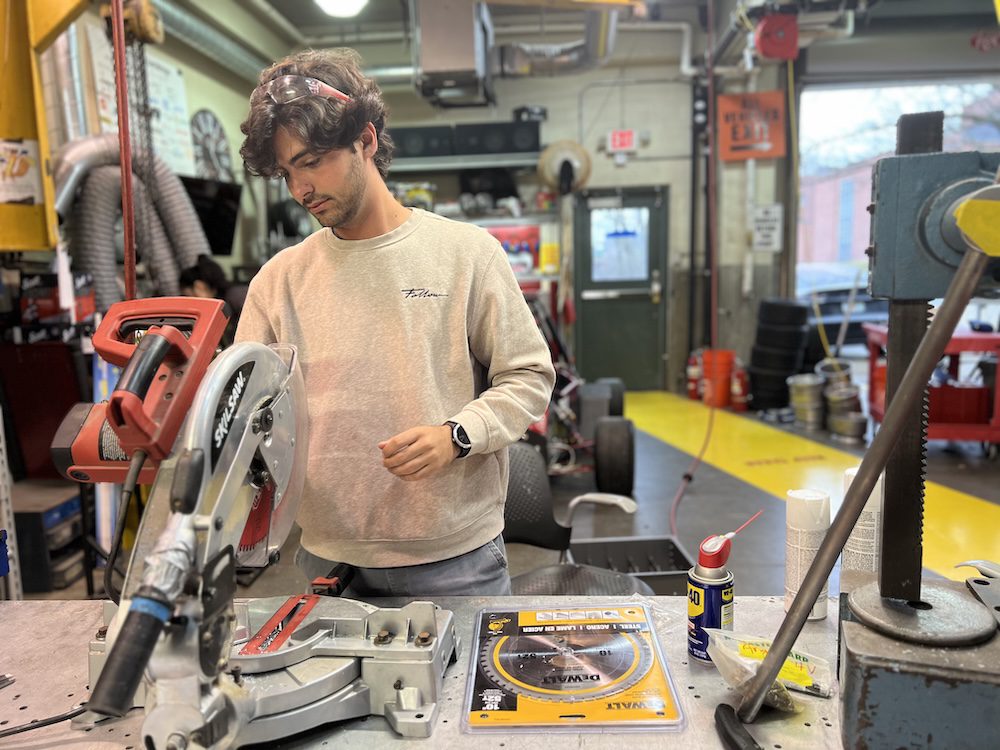
Before gaining access to the tools, users will need to be trained on their safe and proper operation. We offer three levels of training, with each level allowing access to a different tier of tools.
To provide maximum value to the Cornell community and beyond, many of the advanced manufacturing and metrology tools in the Autodesk space are also available for use by people outside of the Sibley School.
A Cornerstone of the Sibley Experience
The Autodesk Design and Make Space was created to support students throughout their time at Cornell. Early in the curriculum, students are introduced to core manufacturing techniques and safe machine operation. As they progress, they apply those skills in increasingly complex projects—culminating in senior design work that requires precision, iteration, and full-system thinking.
This continuity makes the space central to the Sibley educational model: a place where concepts from mechanics, materials, controls, and design are not only taught, but tested and realized.
Supported by Autodesk, and Built for Modern Engineering
The ongoing transformation of the Autodesk Design and Make Space is supported by a $4.3 million gift from Autodesk, with additional support from alumni and the Sibley School Advisory Council. This investment is enabling a major expansion of capabilities, aligning the facility with the technologies and practices shaping today’s engineering landscape.
Students have access to advanced manufacturing and metrology tools that support the full lifecycle of engineering work—from initial concept to finished product. New equipment includes multi-axis CNC machines for precision machining, coordinate measuring systems and 3D scanning technologies for high-resolution inspection, and additive manufacturing tools for rapid prototyping and iterative design.
As the space continues to evolve, additional capabilities will expand what students can design, build, and test. Planned additions include advanced cutting systems, expanded CNC capacity, and next-generation 3D printing technologies that support everything from quick prototypes to production-quality components.
Together, these resources allow students to work with the same tools and workflows used in industry, preparing them to contribute immediately in professional settings. Just as importantly, the space fosters a mindset of experimentation, iteration, and problem-solving—ensuring that Sibley graduates leave not only with technical knowledge, but with the experience of turning ideas into reality.