Mission
We develop the knowledge, capabilities, and people needed to forge a better future.
Vision
We are a thriving, values-driven community intentionally designed to be the leading source of ideas, technologies, and collaborations that accelerate progress and improve lives around the world.
Core Values
These core values define and drive the Duffield Engineering community. They were codified with input from students, faculty, and staff as part of the Duffield Engineering 2030 strategic planning process.
-
Excellence
We aim for excellence in everything we do. We produce distinctive results of exceptional quality by approaching our work with rigor, integrity, and the highest ethical standards.
-
Purpose
We strive to make a meaningful impact by leading, supporting, and actively participating in research, education, and outreach that contributes to a healthier, more equitable, and more sustainable world.
-
Innovation
We empower teams and individuals to defy expectations by prizing creativity, agility, and responsible risk-taking.
-
Community
We foster and sustain a diverse, engaged, and caring environment where all members feel like they belong, are heard, and can flourish. We communicate across differences with respect, and we embrace personal and professional growth and development.
-
Collaboration
We encourage and reward inclusive teamwork, in the conviction that solving grand challenges requires a range of perspectives and a collective effort greater than the sum of its parts.
-
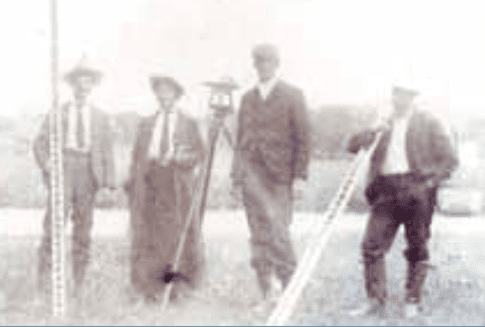
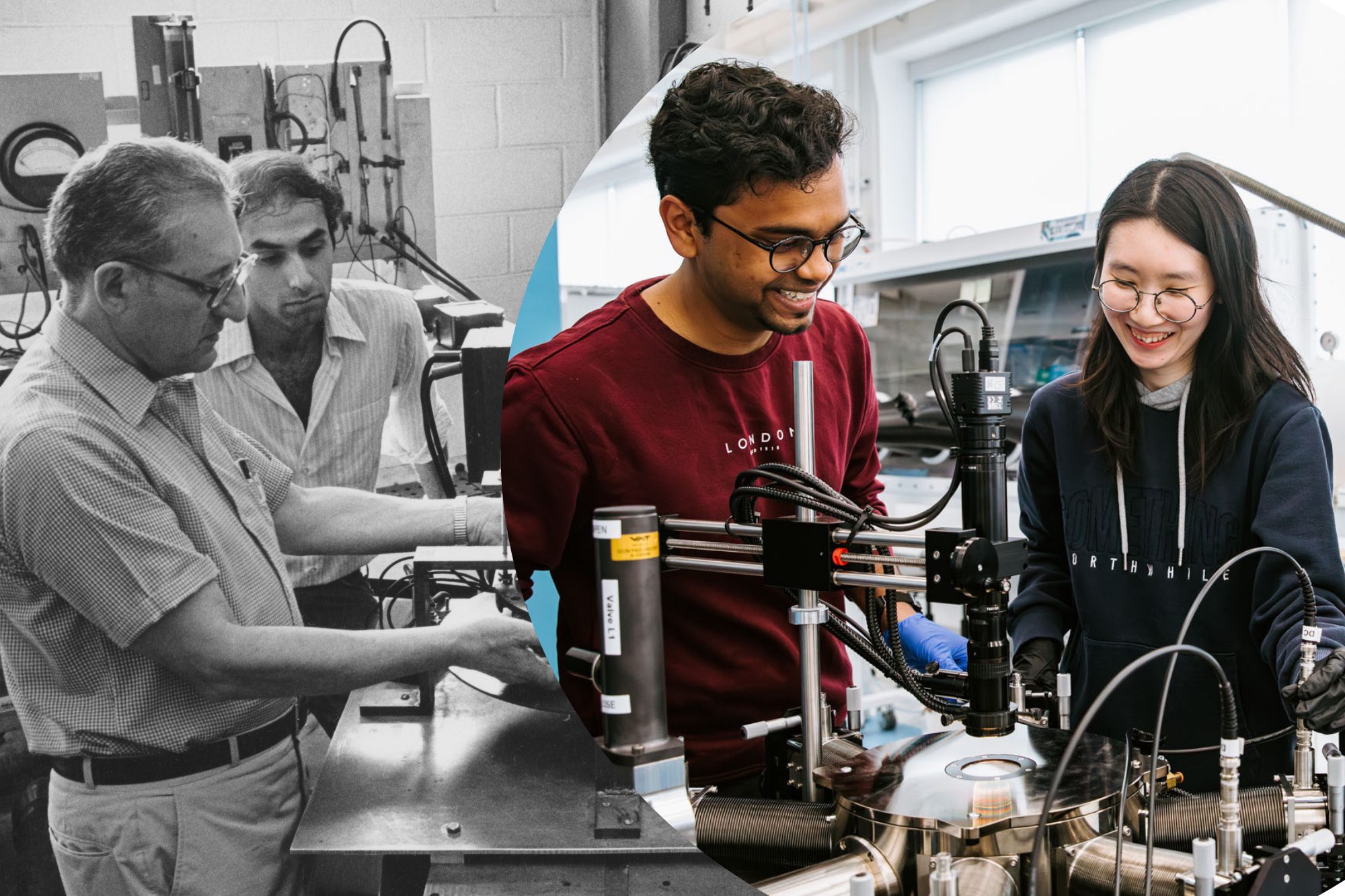
![A historical image of people working in an engineering lab and a current photo of students working in a modern engineering lab]()
-
History
For more than 150 years, Duffield Engineering has remained an international leader in engineering education and research. From its first classes in civil and mechanical engineering in 1868 to the establishment of the Cornell David A. Duffield College of Engineering in 2026, the college has continually expanded to meet the evolving needs of students and society. The following timeline highlights foundational milestones and other key moments that have defined the college’s growth and shaped Duffield Engineering into the institution it is today.
Key Historical Milestones
-
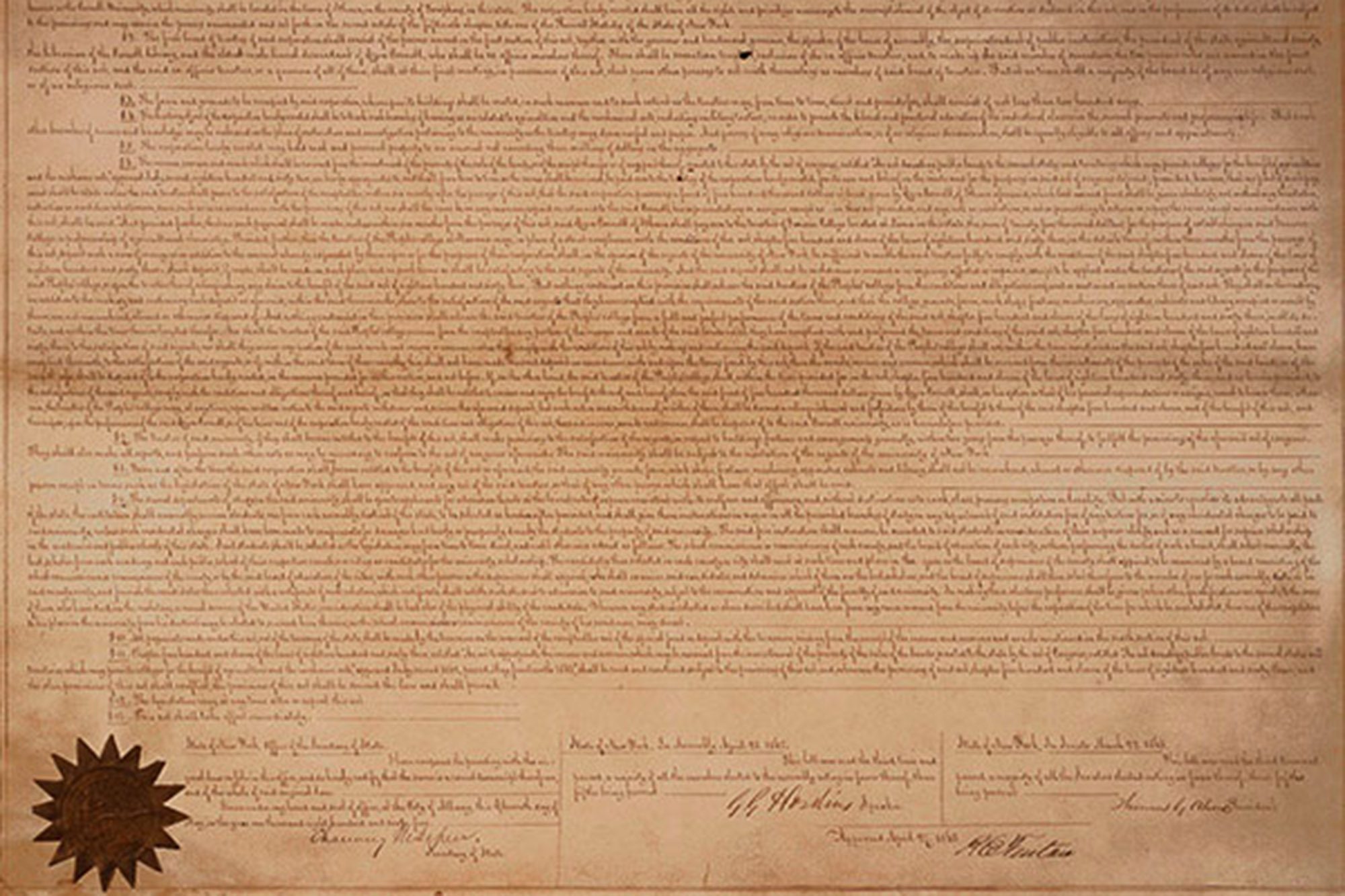
![Historic image of the charter establishing the founding of Cornell University]()
1865 – Cornell University established
Ezra Cornell and Andrew Dickson White win passage of the bill that charters Cornell University as the land-grant educational institution for New York, establishing the university.
-
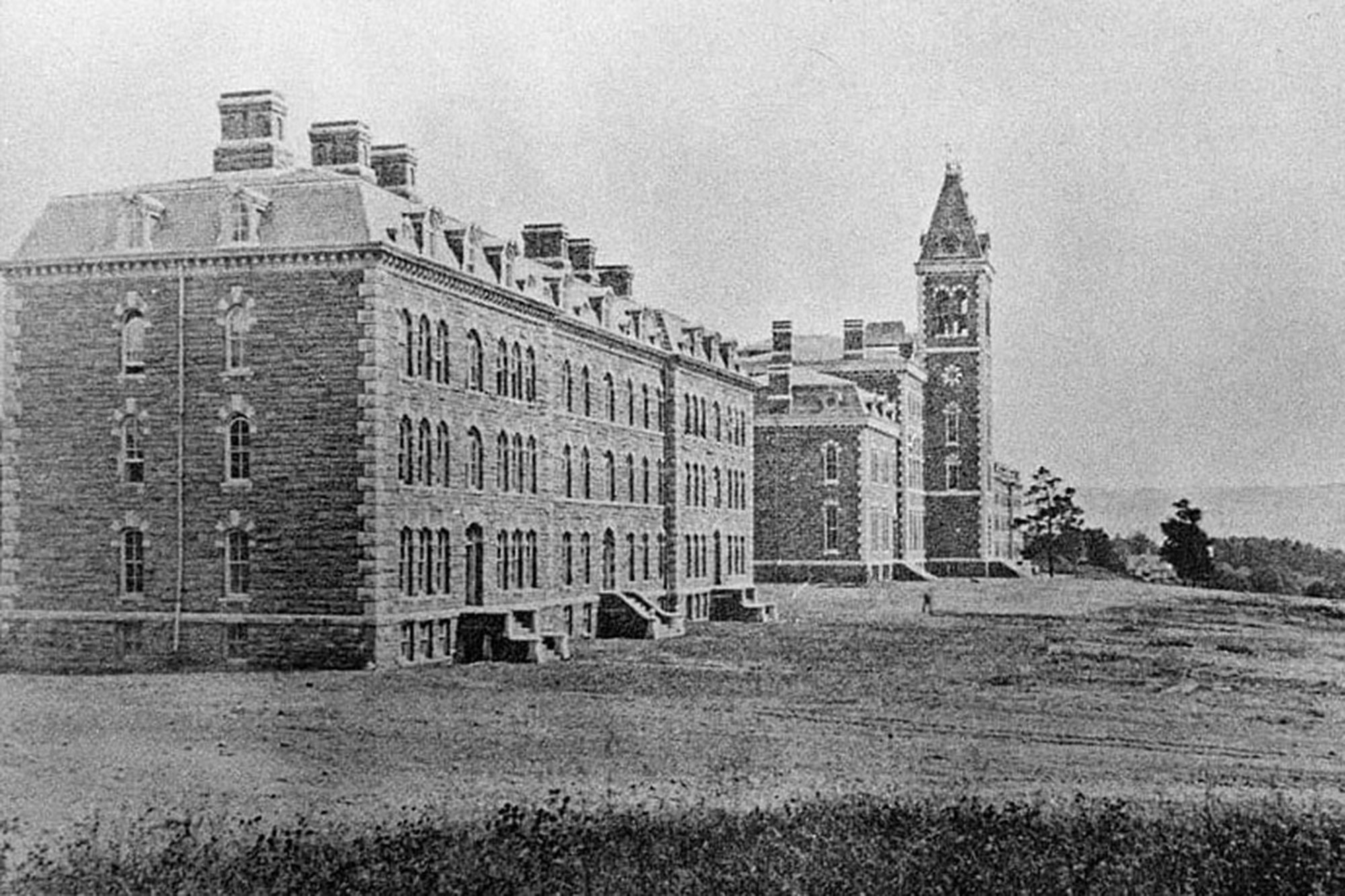
![Historic Photo of McGraw Hall]()
1868 – Cornell University opens
At the official dedication of Cornell University and the inauguration of Andrew Dickson White as its first president, Ezra Cornell says, “I would found an institution where any person can find instruction in any study.” Mechanical engineering and civil engineering are taught from the university’s start.
-
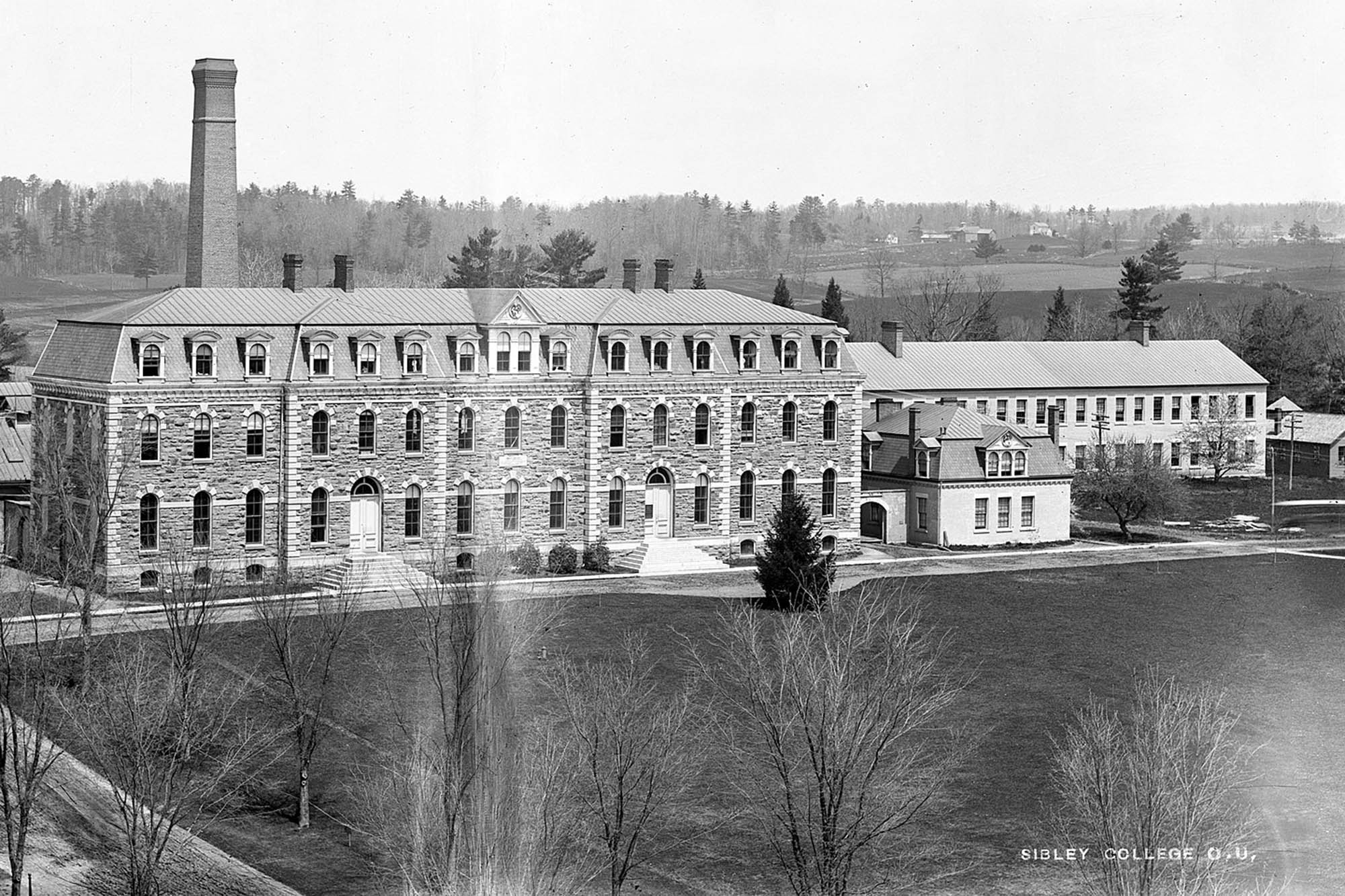
![Historic image of Sibley College circa 1883]()
1870 – Sibley College established
Hiram Sibley, one of the 10 incorporators of Cornell, provides funds to house and support the Sibley College of Mechanical Engineering and Mechanic Arts, now known as the Sibley School of Mechanical and Aerospace Engineering.
-
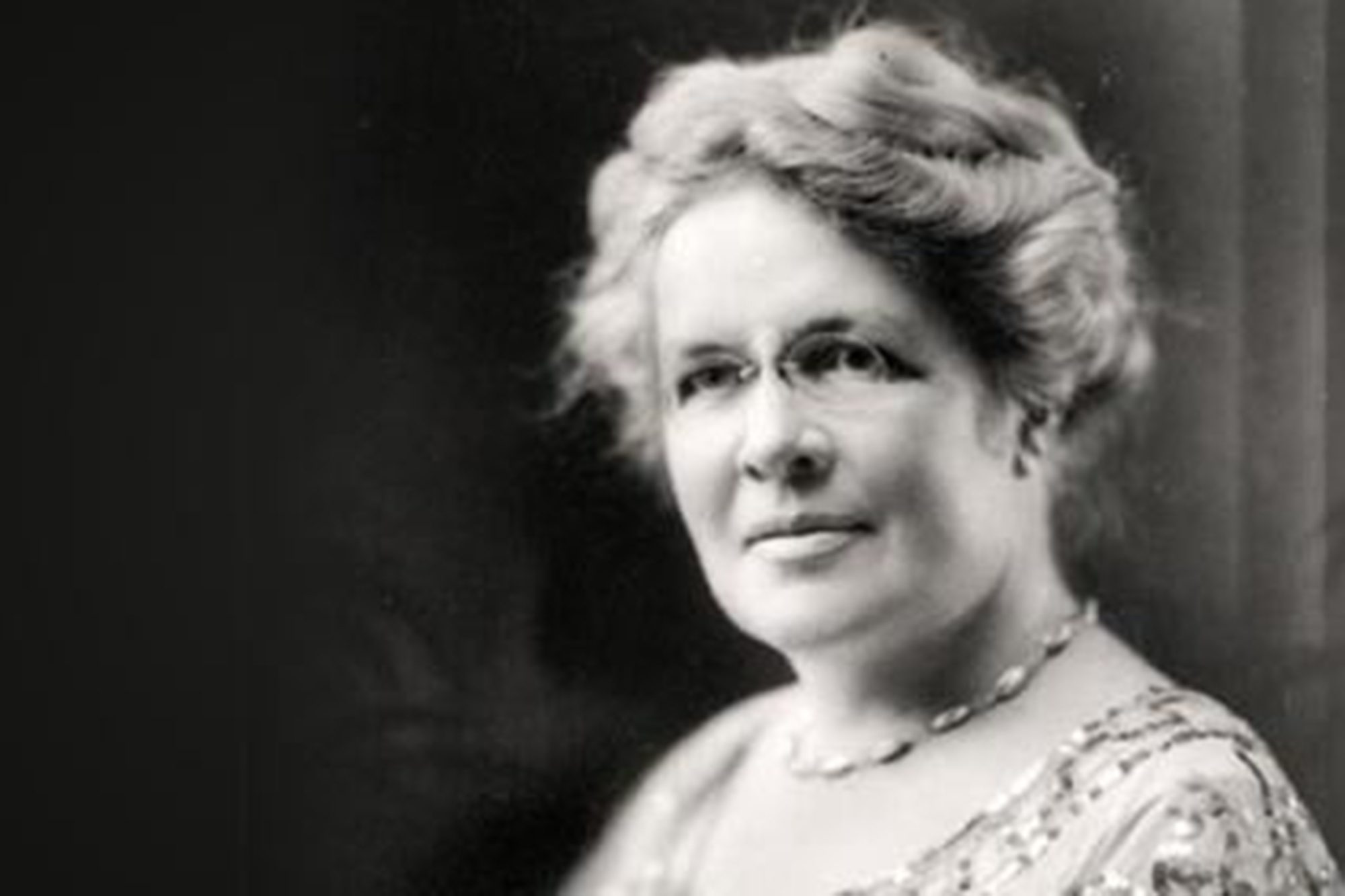
![Kate Gleason, first female engineering student at Cornell University]()
1884 – First woman studies engineering at Cornell
Kate Gleason was the first woman to study engineering at Cornell. Prior to gaining renown as an industrialist, banker, inventor, and land developer — before anyone referred to her as the “First Lady of Gearing” or the “Marie Curie of Machine Tooling” — she was a Cornellian known as “Sibley Kate.”
-
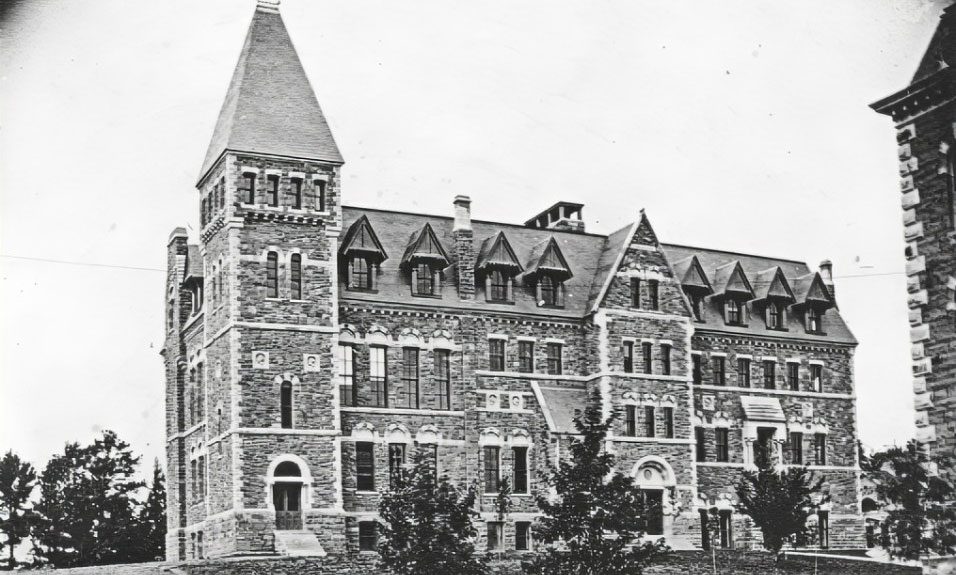
![Department of Electrical Engineering building on Cornell campus circa 1885]()
1885 – America’s first electrical engineering graduates
After launching one of America’s earliest electrical engineering programs in 1883, Cornell produced the nation’s first electrical engineering graduates in 1885, the same year the Department of Electrical Engineering was established in the College of Mechanic Arts.
-
![Nora Stanton Blatch Barney, first female engineering graduate at Cornell with a group of people circa 1905]()
1905 – First woman graduates from Cornell with engineering degree
Nora Stanton Blatch Barney became the first woman to graduate from Cornell with an engineering degree in 1905. The daughter and granddaughter of suffragists, she studied civil engineering, and her groundbreaking career included working for the New York Public Service Commission as an assistant engineer, and later for the Public Works Administration in Connecticut and Rhode Island as an architect, engineering inspector and structural-steel designer.
-
![Portrait of George Biddle Kelley]()
1906 – Engineering student helps to launch historic fraternity
Civil engineering student George Biddle Kelley, Class of 1908, joins six friends in forming Alpha Phi Alpha, which continues to prosper and is now the oldest intercollegiate historically African American fraternity. Kelley became New York’s first officially registered African American engineer.
-
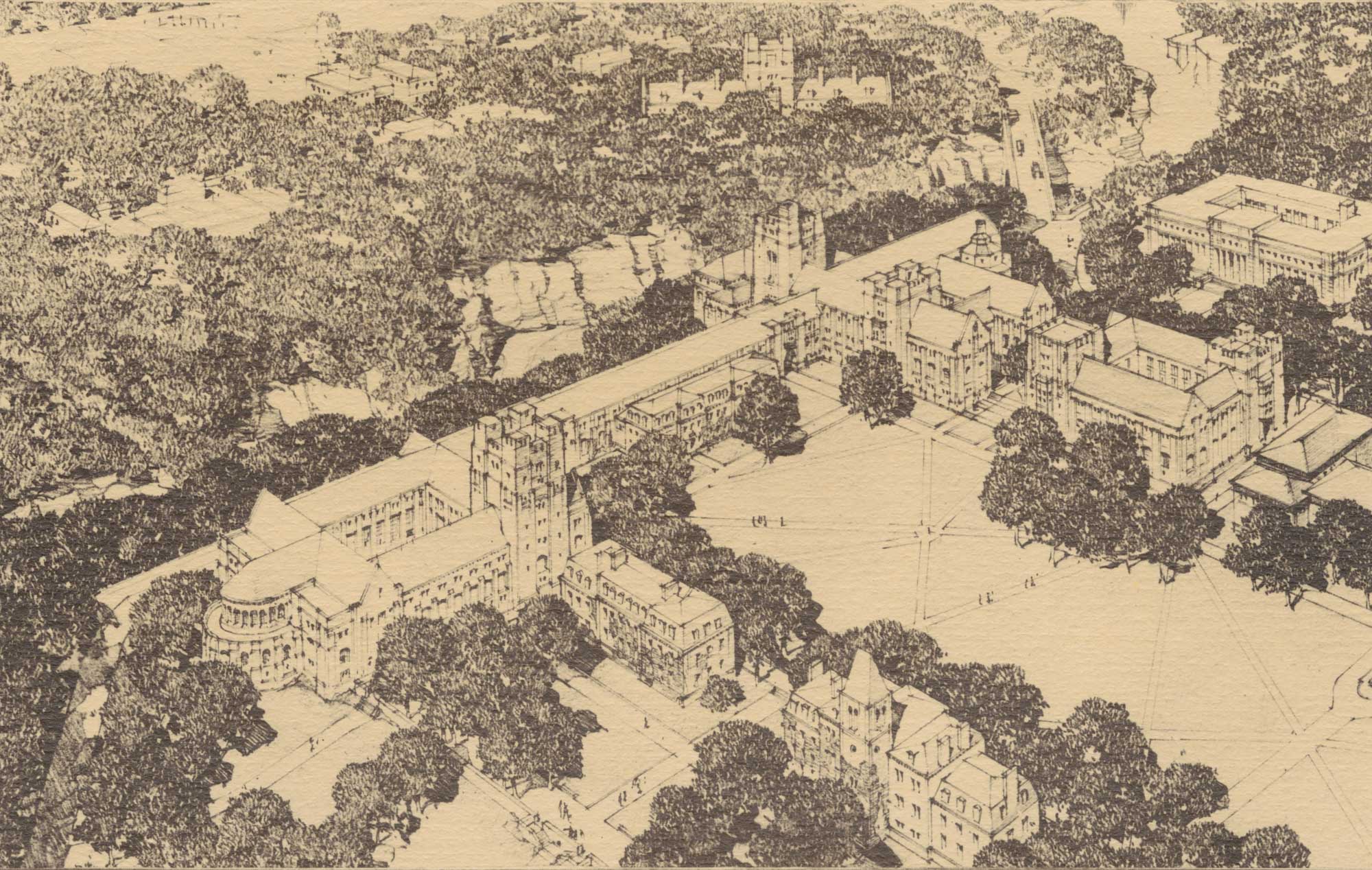
![Sketch of engineering buildings at Cornell University circa 1925]()
1921 – College of Engineering established
A unified College of Engineering was first ordered by the university trustees in 1917 and effected in 1921.
-
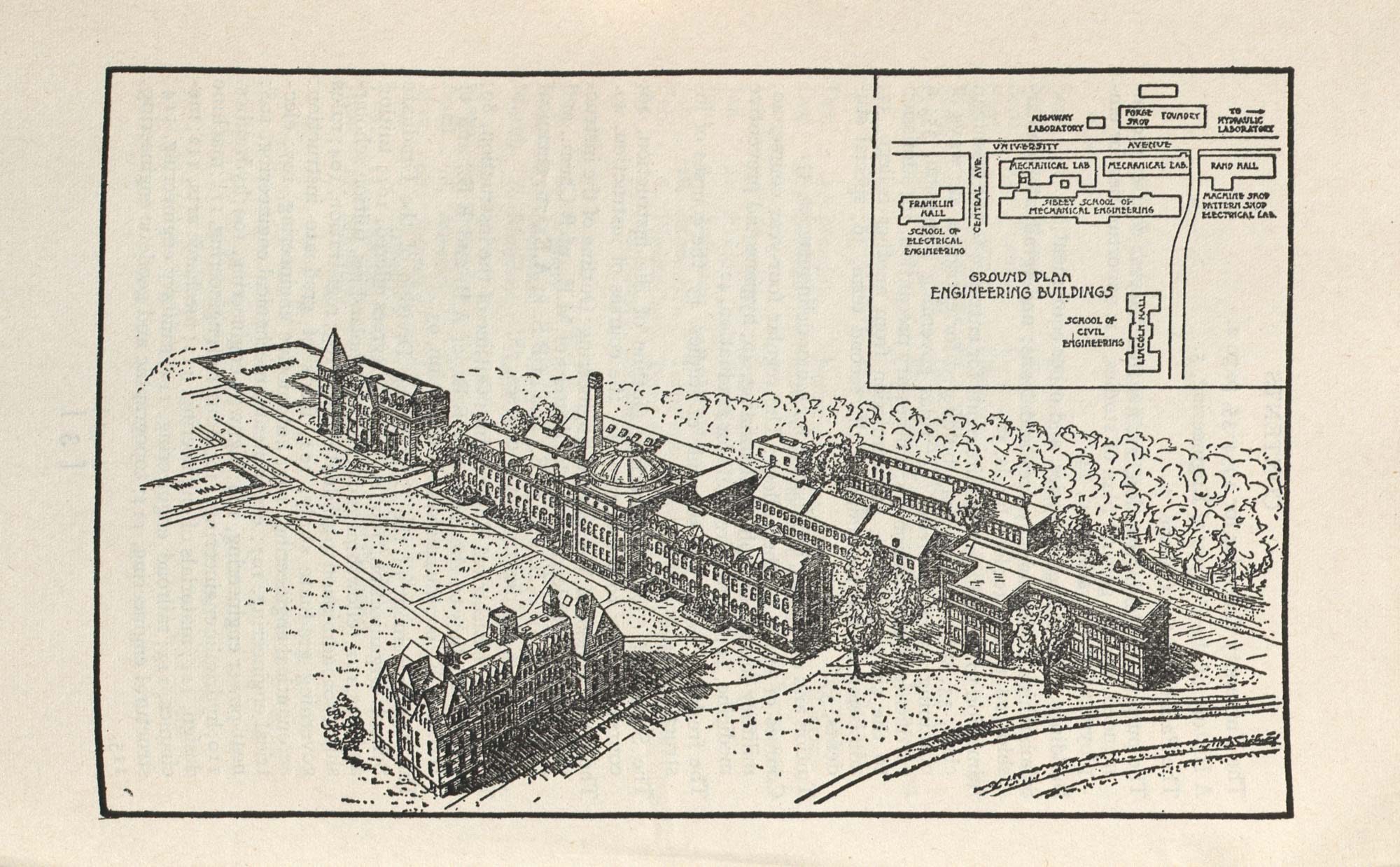
![Engineering buildings on Cornell University campus circa 1933]()
1933 – First Ph.D.s in Industrial Engineering awarded
Cornell was among the first universities to offer courses in Industrial Engineering, and it was the first award a Ph.D. in the field. The School of Operations Research and Information Engineering traces its roots to the beginnings of industrial engineering.
-
![Historic mural inside Olin Hall]()
1942 – Olin opens as first engineering building on the Quad
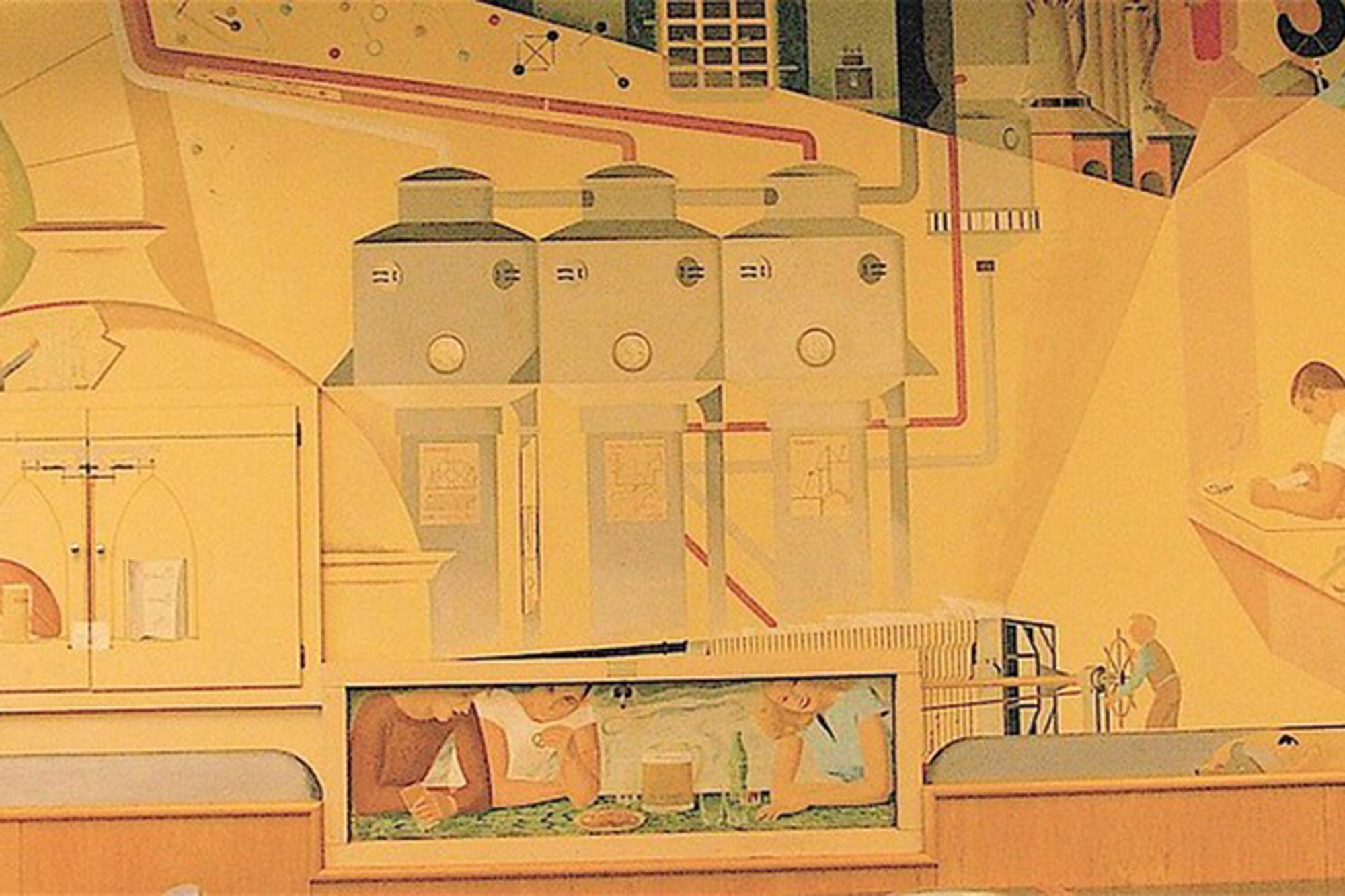
Olin Hall, the home of what is now the R.F. Smith School of Chemical and Biomolecular Engineering, was opened in 1942. Named after Franklin W. Olin, Class of 1886, it was the first building on what is now the Joseph N. Pew, Jr. Engineering Quad.M
-
![Map connecting Ithaca and Towanda to illustrate distance learning start at Cornell]()
1966 – Distance Learning begins
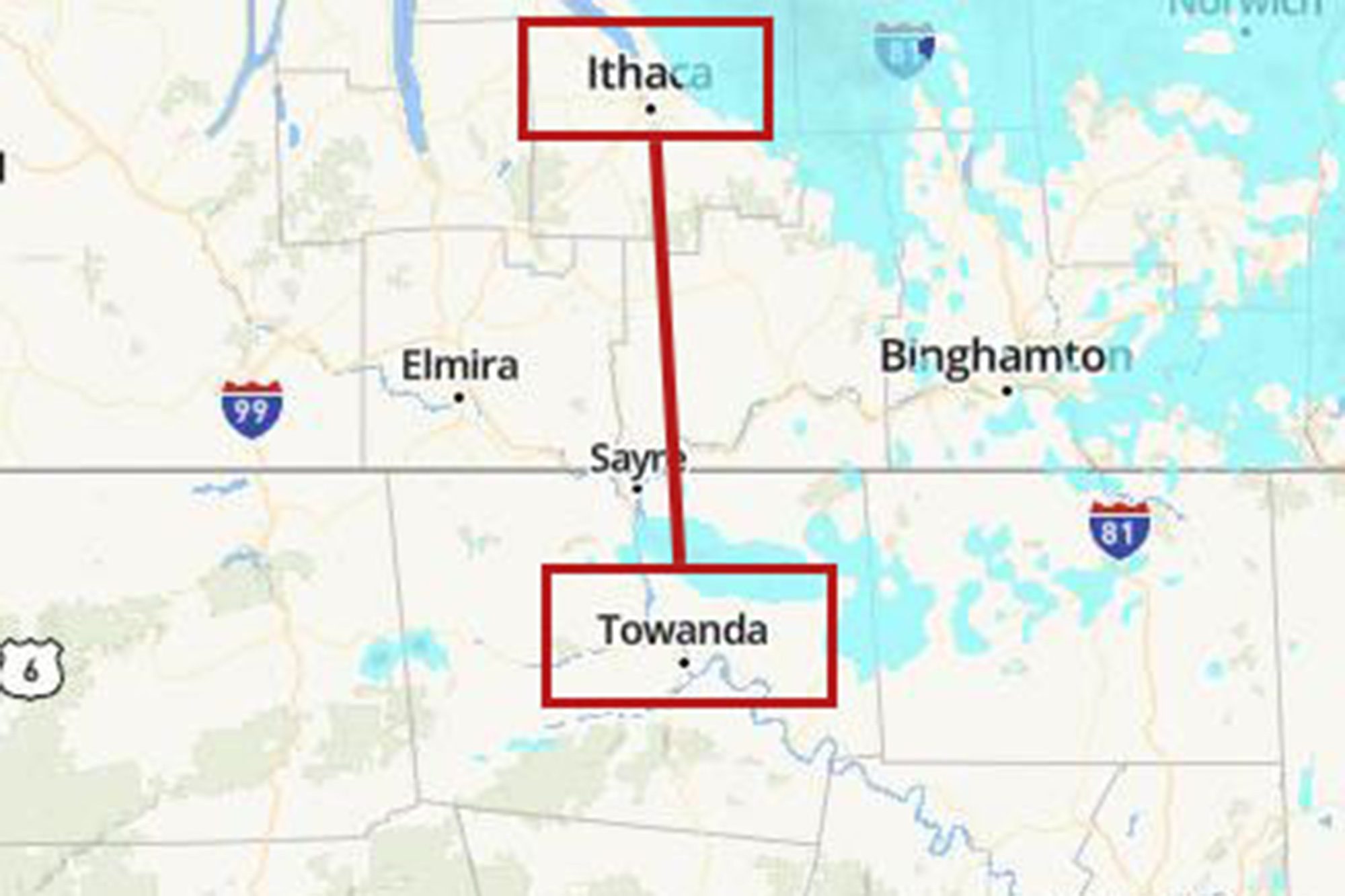
In 1966, the first Blackboard-by-Wire distance learning class was taught to 14 Cornell engineering students and 10 engineers in Towanda, Pennsylvania. Today, we offer multiple Master of Engineering (M.Eng.) programs via distance learning.
-
1977 – National Society of Black Engineers opens one of first chapters
The National Society of Black Engineers opens one of its first chapters at Cornell just two years after the organization’s founding. Cornell students also help establish the society’s first national communications network and magazine, laying the groundwork for its growth to more than 600 chapters today.
-
![Historic image of racing car and racer from Cornell Racing]()
1987 – Cornell Racing founded as one of first student project teams
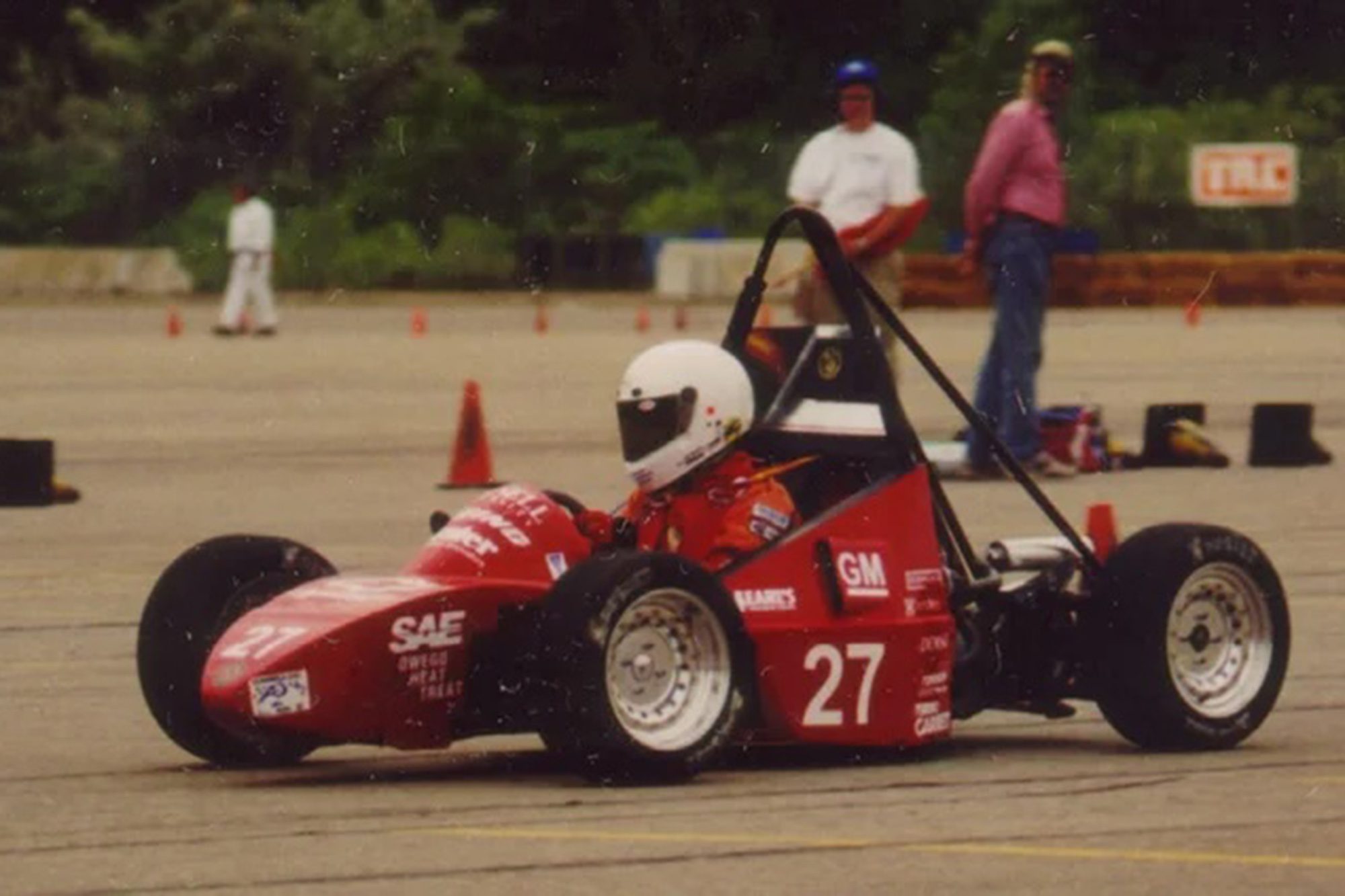
Cornell Racing, a student-led Formula SAE team, was founded by Professor Al George, helping to establish the precent for the hands-on student project teams that are now a staple of the college. Project teams now involve 1,800 students on more than 35 teams thanks to support over the years from alumni like John Swanson ’61, M.Eng. ’63, and Jim Cunningham ’71.
-
![The first American chapter for Engineers for a Sustainable World, established in 2001 at Cornell]()
2001 – Engineering leadership for sustainability
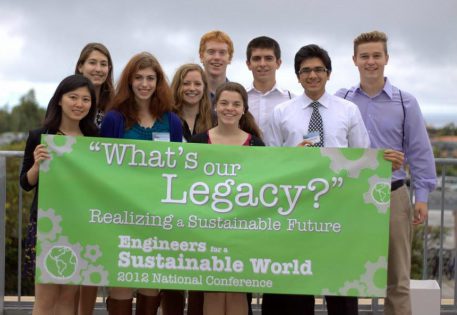
The first American headquarters and student chapter for Engineers for a Sustainable World was established in 2001 at Cornell. The organization aims to engage engineers in reducing poverty by improving environmental, social and economic sustainability worldwide.
-
![The Sundial and Duffield Hall in the evening]()
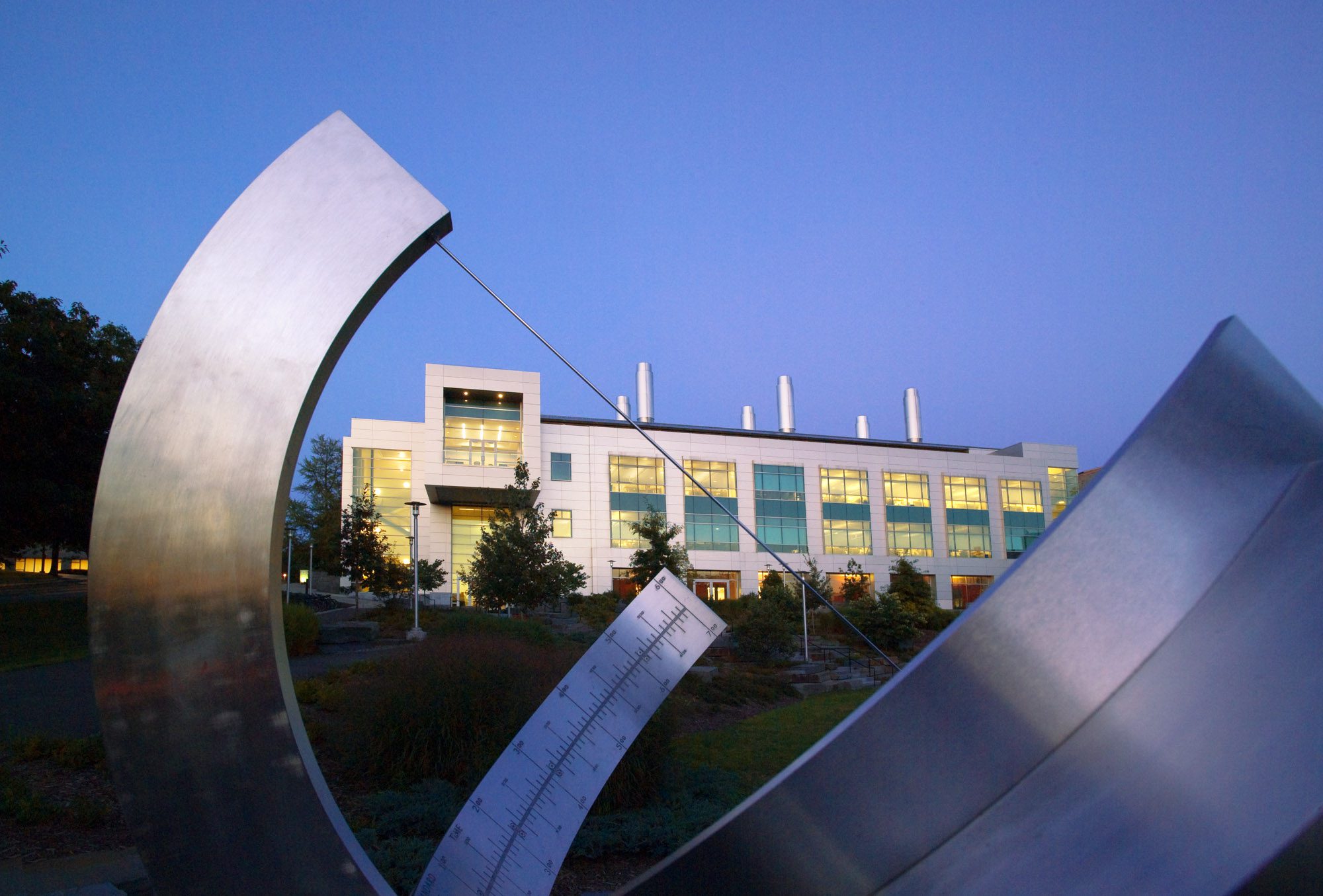
2004 – Duffield Hall completed
Duffield Hall, named for alumnus David A. Duffield ’62, MBA ’64, is one of the country’s most sophisticated research and teaching facilities for nanoscale science and engineering.
-
![Cornell Tech Campus]()
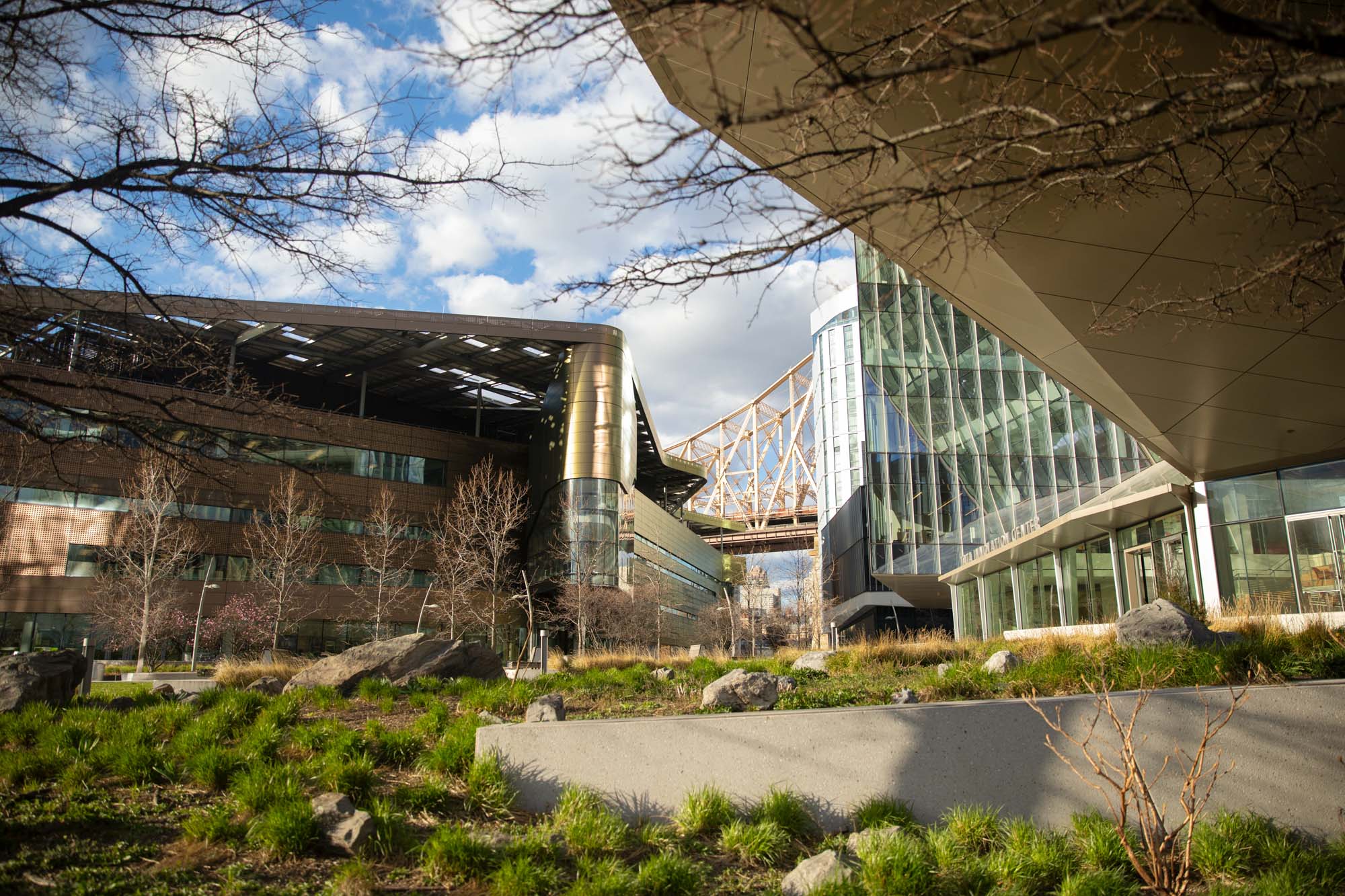
2011 – Cornell Tech is born
Cornell University was designated by New York City to build a sustainable campus on Roosevelt Island for graduate tech education. Cornell Tech, created under Dean Lance R. Collins, is an innovative, sustainable academic campus.
-
![2014 Trustee Council Annual Meeting (TCAM) Weekend: Trustees Nancy and Peter Meinig at the Sesquicentennial Grove Dedication.]()
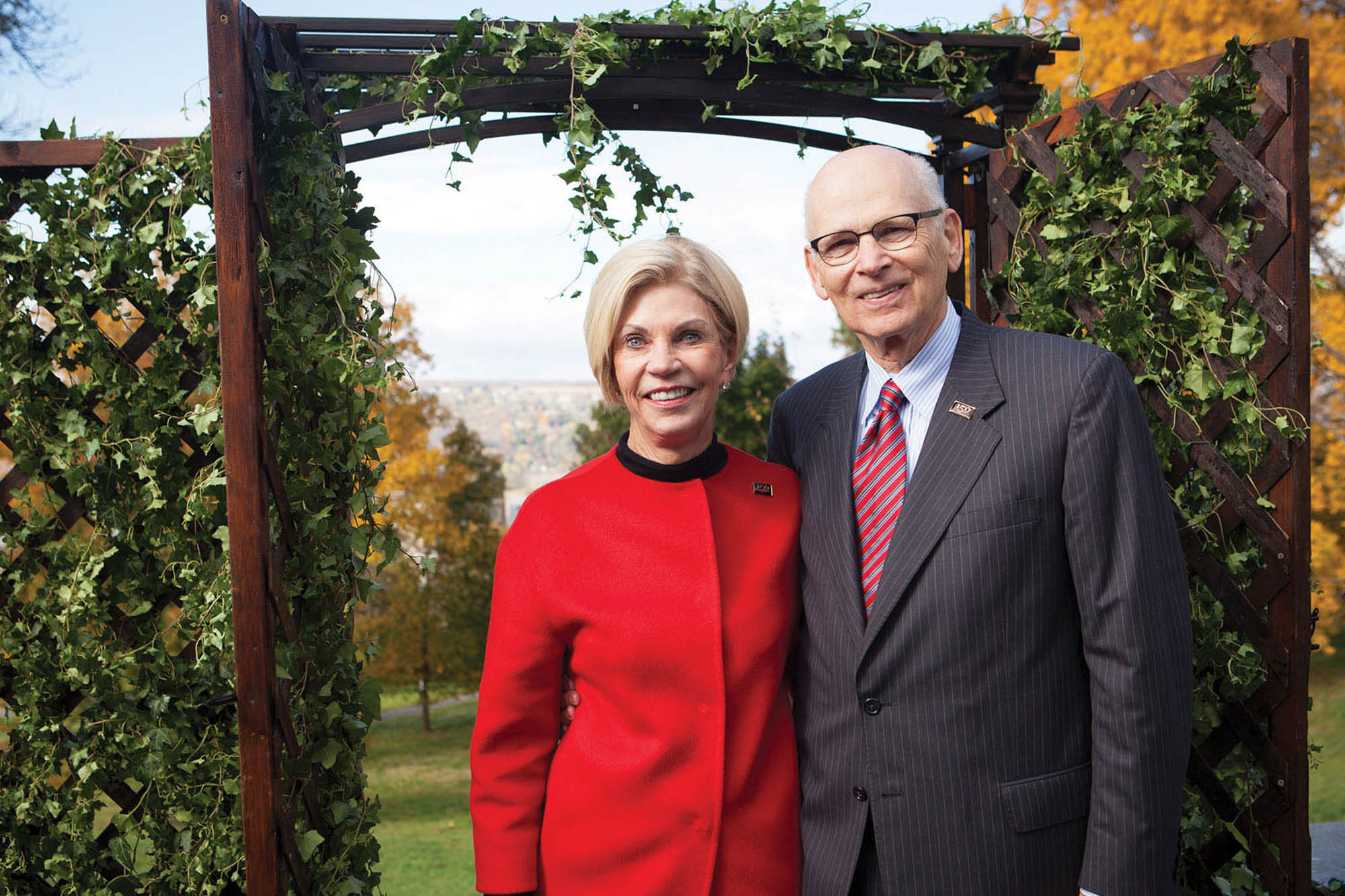
2015 – Meinig School of Biomedical Engineering established
In recognition of a $50 million endowment gift from Nancy Meinig ’62 and Peter Meinig ’61, along with daughters Anne ’87, Kathryn, MBA ’93, and Sarah and their own families, the college establishes the Nancy E. and Peter C. Meinig School of Biomedical Engineering.
-
![]()
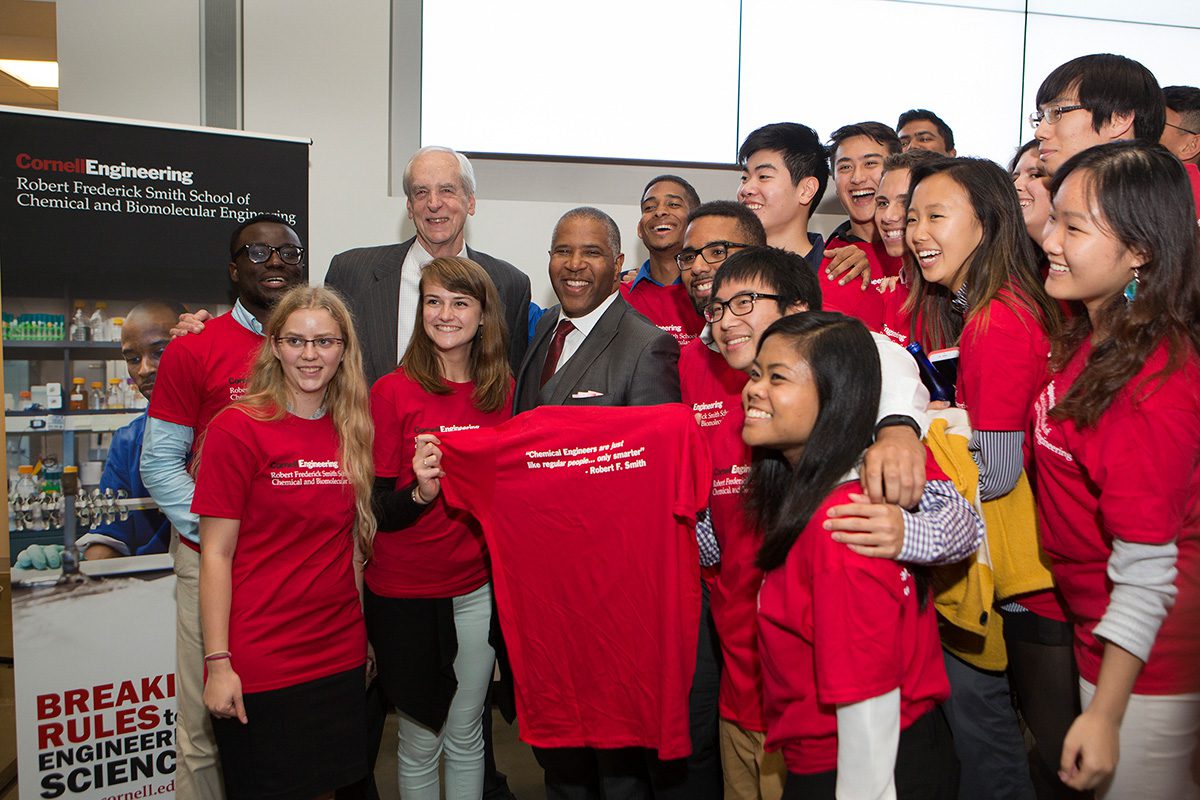
2016 – R.F. Smith School of Chemical and Biomolecular Engineering established
In recognition of the support of Robert F. Smith ’85, including a combined $50 million commitment from him and his foundation, the college names the Robert Frederick Smith School of Chemical and Biomolecular Engineering.
-
![Cornell University Biomedical Engineering Graduation Ceremony at the Meining School of Biomedical Engineering at Cornell University, Sunday, May 27, 2018.]()
2018 – Undergraduate class achieves gender parity
Duffield engineering’s undergraduate population reaches gender parity for the first time.
-
![]()
2021 – Strategic Plan implemented
Dean Lynden Archer launches a 10-year strategic plan to establish Duffield Engineering as a center of excellence in innovating impactful solutions to the most difficult problems.
-
![A ceremony is held for the opening of the Martin Y. And Margaret Lee Tang Hall on the Pew Engineering Quad.]()
2024 – Tang Hall established
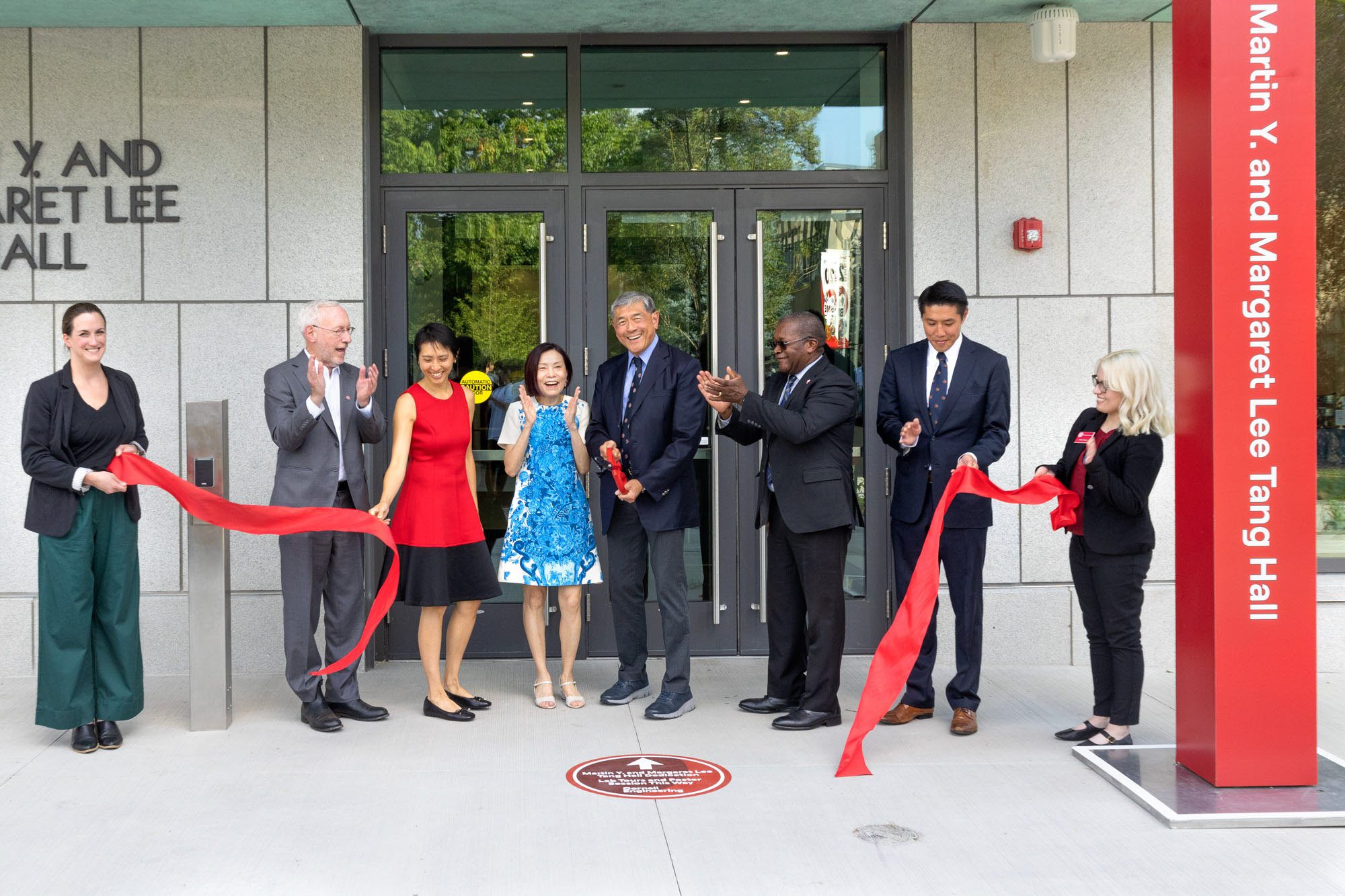
The first new facility to be built on the Pew Engineering Quad in two decades was established as the Martin Y. and Margaret Lee Tang Hall, in honor of a significant gift that aims to measurably enhance faculty excellence through the recruitment, support and retention of exceptional researchers, educators and scholars.
-
![Duffield Engineering Dedication Celebration]()
2026 – Cornell David A. Duffield College of Engineering established
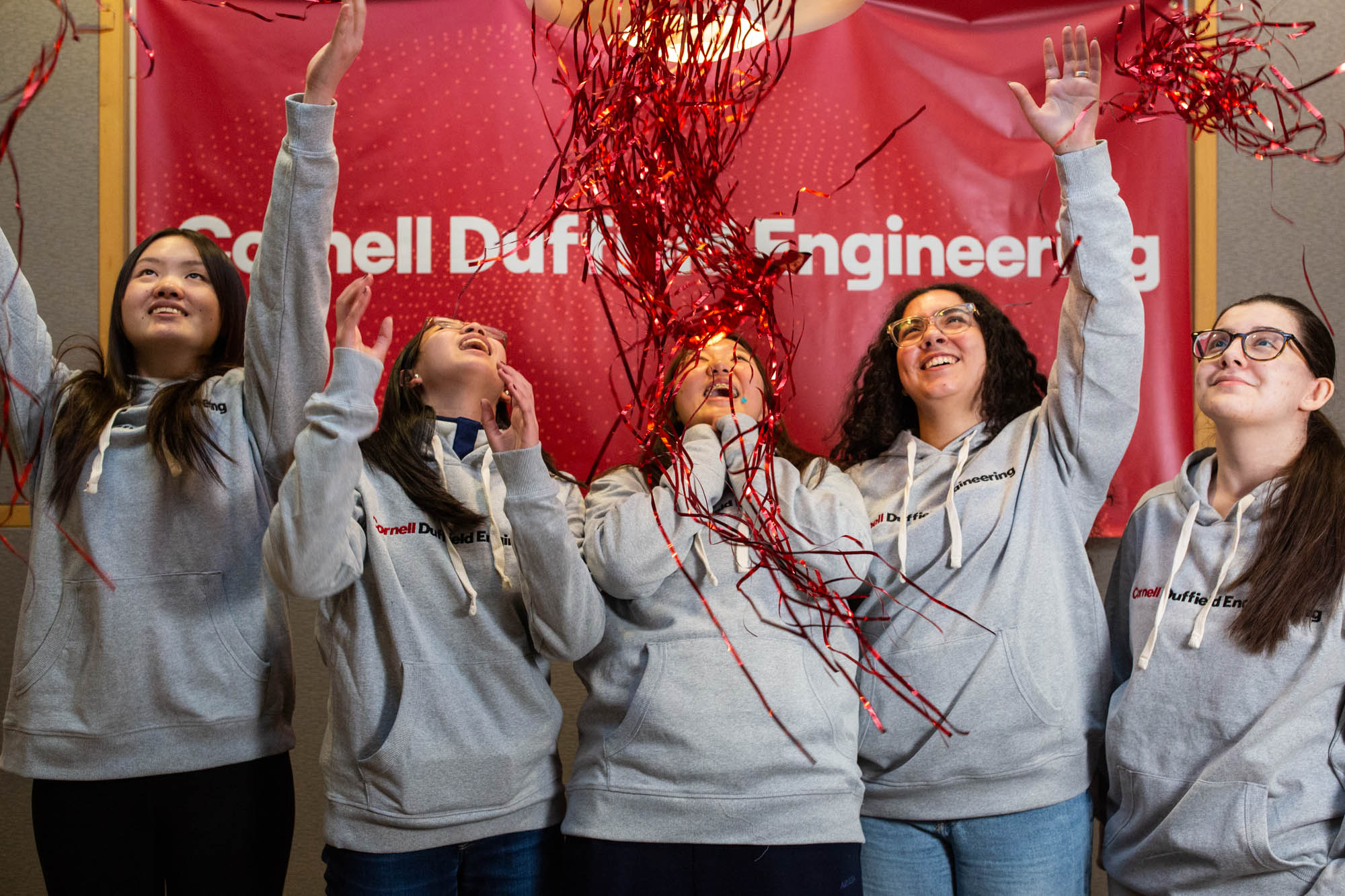
More than $520 million in contributions from David A. Duffield ’62, MBA ’64 – including a new pledge of $371.5 million, the largest single gift in Cornell history, and a 2025 gift of $100 million to expand and enhance Duffield Hall – established the Cornell David A. Duffield College of Engineering.