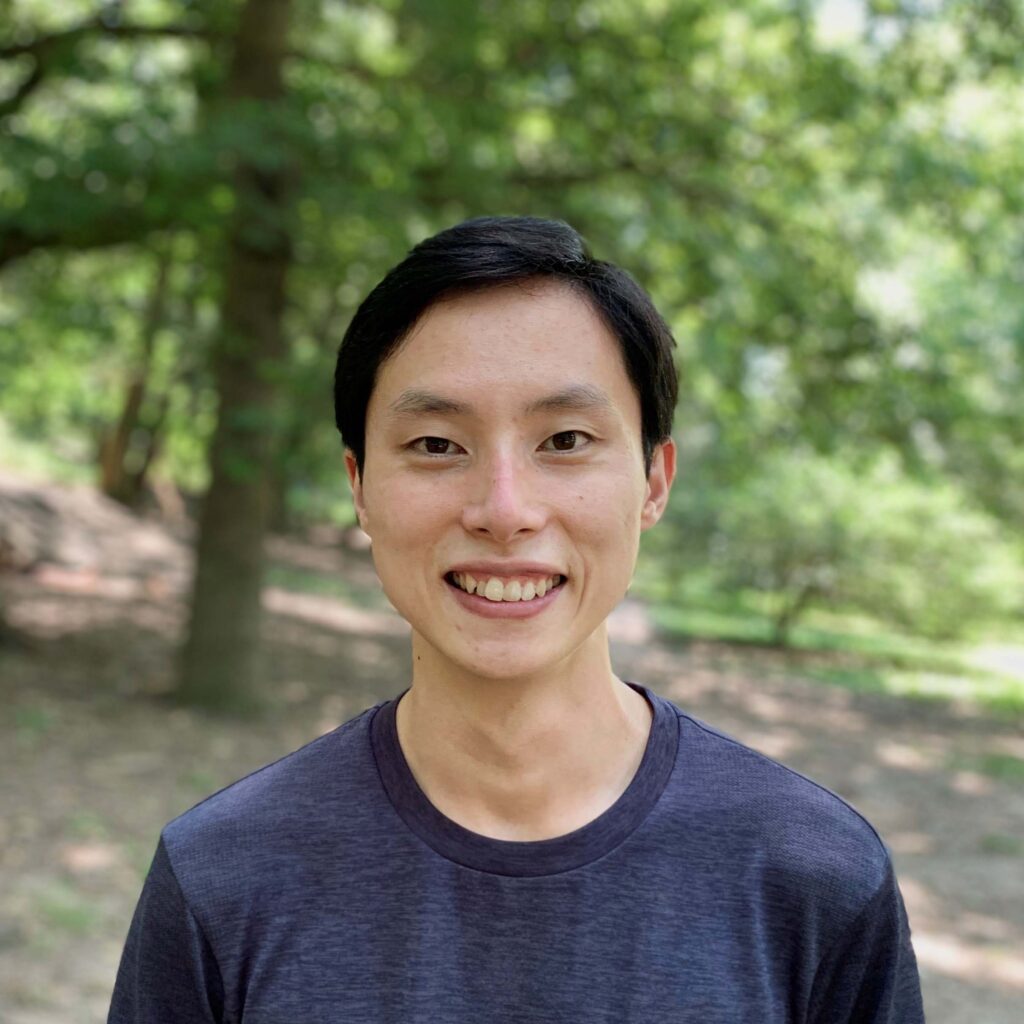
Many medicines circulating through the body reach healthy and diseased tissues alike. Tetsuhiro Harimoto wants to change that by engineering therapies that can sense disease, respond to their surroundings and deliver treatment exactly where it is needed.
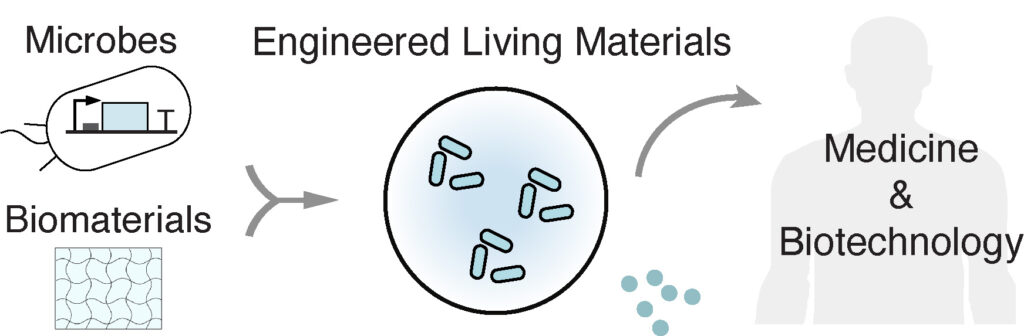
As assistant professor in Cornell’s R.F. Smith School of Chemical and Biomolecular Engineering and a Nancy E. and Peter C. Meinig Family Investigator in the Life Sciences, Harimoto leads research that combines synthetic biology and materials science to transform microbes into programmable living medicines. By genetically engineering bacteria and integrating them with advanced biomaterials, the Harimoto Lab is developing therapeutic systems that detect biological signals, target disease sites, and produce treatments on demand.
The lab’s work focuses on engineered living materials, an emerging class of materials that pair living cells with biomaterials to improve safety, durability, and precision. In research published in Science, Harimoto helped develop living materials that combine engineered bacteria with a hydrogel scaffold designed to contain therapeutic microbes while allowing them to sense and respond to infection. The technology points toward a future where genetically programmable materials could enable more precise drug delivery as well as environmental and structural applications.
Harimoto earned a bachelor’s degree in biomedical toxicology from the University of Toronto before working as an equity research associate at Morgan Stanley, analyzing the pharmaceutical and medical device industries. He later returned to research, earning a Ph.D. in biomedical engineering from Columbia University, where he genetically engineered microbes as drug delivery systems supported by an NCI F99/K00 award. As an NCI K99/R00 postdoctoral fellow at Harvard University’s Wyss Institute for Biologically Inspired Engineering, he expanded this work by developing engineered living materials as next-generation therapeutic platforms.
“My hope for my time at Cornell is to build a thriving and supportive research group,” Harimoto said. “I was fortunate to have great mentors and colleagues throughout my training and hope to replicate such environments.”
Outside the lab, Harimoto is embracing another new role. “We had a daughter this year and I am very much enjoying becoming a parent!”