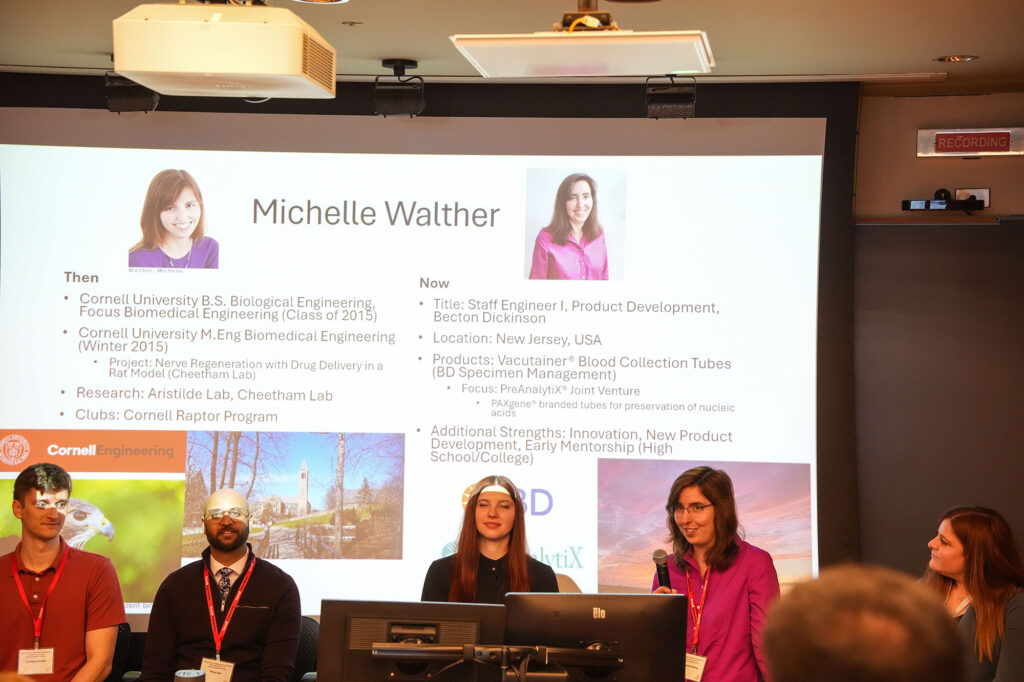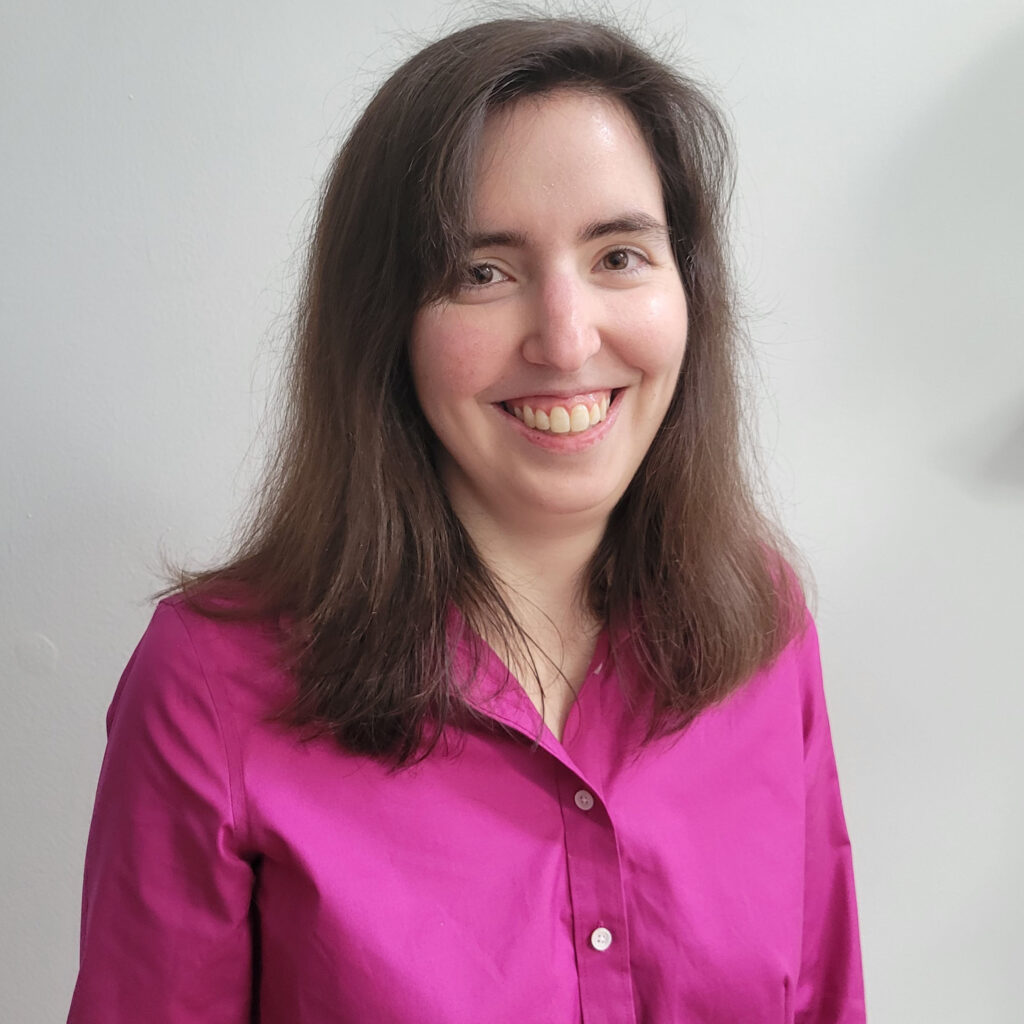
For Michelle Walther ’15, M.Eng. ’16, what initially seemed like a specialized interest—cellular and tissue engineering—provided skills that helped set her apart in her career. As an M.Eng. student, Walther worked on a project that studied nerve regeneration using a drug-delivery system tested on a rat model. When she entered the medical device industry as a Scientist II at Becton Dickinson (BD), she found that her cellular-engineering background was relatively uncommon among colleagues focused primarily on mechanical devices and platforms. That difference became an advantage, allowing her to contribute to projects that bridge engineering and biology, including her current work on products devoted to cancer research and identification.
Her Cornell training also gave her an opportunity to take on responsibility early in her career. When moving into an entry-level engineer position at BD in their Specimen Management department, Walther was given the responsibility of leading product verification for a joint venture project, which exceeded the typical expectations for someone at her level. She successfully led the project and was promoted within a year. She credits her Cornell degree and the skills demonstrated during her interviews with convincing her managers that she was ready for the challenge.
When asked about important skills acquired during her M.Eng. degree, Walther says Cornell taught her how to balance independent work with collaboration. She began her M.Eng. during the final semester of her senior year, and therefore her design project was an individual one. As a result, she spent much of that time working independently, while also turning to classmates and friends for expertise in subjects outside her required coursework. Bringing those different areas of knowledge together made the projects both multidimensional and impactful. The experience prepared her to work effectively on cross-functional teams, where people bring different degrees, perspectives, and ways of thinking to the same problem.
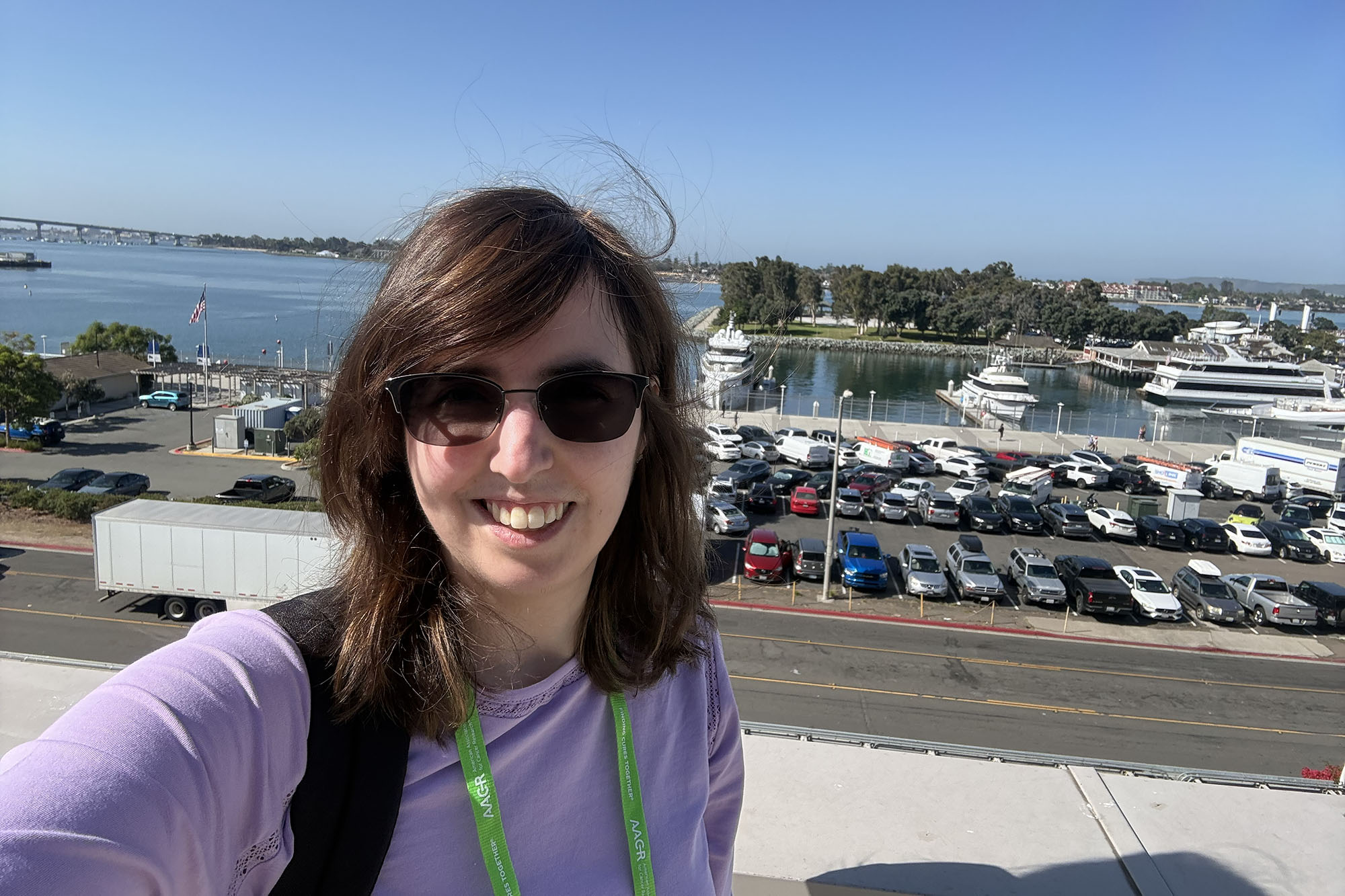
That combination of independence and collaboration continues to define Walther’s work at BD. She now operates as the subject matter expert in the joint venture team where she started her role, collaborating with another company in Germany to produce products focused primarily on oncology and minimal residual disease (MRD) detection. For much of her tenure, which has transitioned from entry-level engineer to Staff Engineer, she has been the sole responsible R&D lead on her company’s side of a partnership. The position has also given her opportunities to attend conferences and collaborate with the joint venture partner, experiences that have expanded the scope of her work beyond a traditional R&D role.
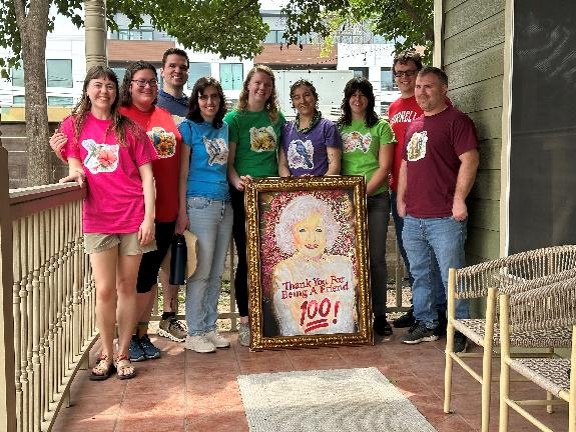
Ten years after graduation, Walther remains close with two groups of Cornell friends, including one that takes yearly vacations together. Her advice? “Keep in touch with those you value the most—it doesn’t have to be for networking, just for the joy of sharing your experiences with others.”
She has also discovered that growing into a career does not necessarily mean having everything figured out. “You may never feel ready for the next step, that it requires someone more refined and ready than you, but you make the jump anyway, and at some point, it feels like you’ve always belonged there.” For Walther, that willingness to keep learning is part of what makes the journey rewarding: “You will never know everything, which means there’s always a chance to find something you never knew existed.”