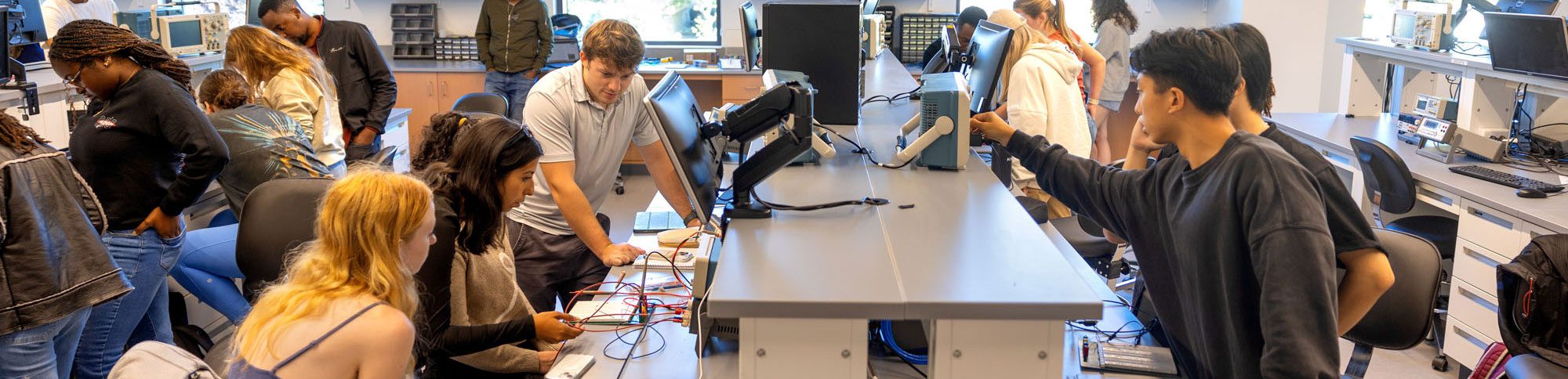

At Cornell, work in engineering education research (EER) can draw from deep disciplinary expertise in engineering while also engaging theories, methods, and questions from education, psychology, the learning sciences, sociology, and organizational change.

One of the goals of the Duffield Engineering Education Research Institute is to make these pathways more visible, whether you are curious about research, considering a shift in your scholarly trajectory, or trying to understand how engineering education research differs from other education-related roles.
What is engineering education research?

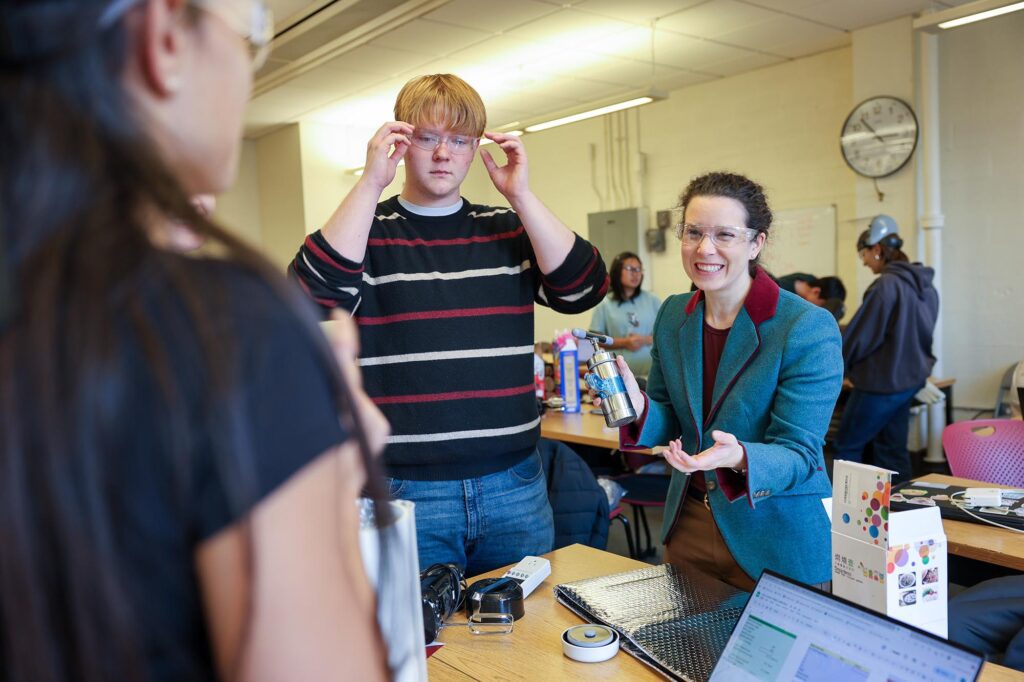
Engineering education research, often abbreviated EER, is a research field that examines teaching, learning, assessment, professional formation, and institutional change in engineering contexts. It goes beyond “being interested in teaching,” and it extends beyond classroom improvement. It is a scholarly field with its own research questions, theories, methods, journals, conferences, and funding pathways.
What does EER study?
- How students learn engineering concepts and practices
- How design, teamwork, reflection, and feedback develop
- How learning is shaped by courses, labs, curricula, and institutions
- How to assess complex outcomes such as reasoning and professional judgment
- How engineering education can better align with workforce and societal needs
What do EER researchers do?
- Design and conduct empirical research studies
- Use qualitative, quantitative, and mixed methods
- Develop theory-informed instruments and measures
- Study educational innovations and institutional change
- Publish research and contribute to national conversations in the field
Who is this field for?
There is no single path into engineering education research. People enter from traditional engineering disciplines, the learning sciences, education, psychology, assessment, and many other areas. At Cornell, one goal of the institute is to make these pathways more visible.
-
Undergraduates
Students curious about research on teaching, learning, design, teamwork, assessment, or engineering pathways can explore EER through research experiences, reading groups, and affiliated projects.
-
Ph.D. Students
Doctoral students may pursue EER through embedded pathways in engineering disciplines, combining disciplinary training with educational research questions, methods, and mentorship.
-
Postdocs
Researchers trained in traditional engineering fields can pivot into EER by building expertise in educational theory, research design, and methods while leveraging their disciplinary background.
-
Faculty and Instructors
Faculty interested in studying engineering learning, curricula, assessment, or AI in education may engage as collaborators, affiliates, or emerging scholars in the field.
Frequently Asked Questions
-
What does a Ph.D. pathway look like in an embedded model?
In an embedded model, a doctoral student may remain rooted in an engineering discipline while pursuing research questions related to engineering learning, assessment, design education, faculty practice, or institutional systems. This often involves interdisciplinary mentorship and methods training.
-
Can I move into EER from a traditional engineering background?
Yes. Many engineering education researchers began in fields such as biomedical, mechanical, chemical, electrical, civil, or computer engineering. Technical expertise is often a major asset. The transition usually involves developing additional grounding in theory, methods, and educational research design.
-
How is EER different from being teaching faculty?
Teaching-focused faculty roles are primarily centered on instruction. Engineering education researchers conduct scholarly research on how engineering is taught, learned, assessed, and transformed and are evaluated by the same metrics as any other research-focused faculty. Some individuals do both, but the roles are not the same.
-
What careers are possible in EER?
Career paths may include tenure-track faculty positions, research scientist roles, postdoctoral appointments, discipline-based education research positions, assessment and evaluation roles, educational innovation leadership, and research-informed teaching and learning positions in higher education. They may also extend to industry, educational technology, nonprofits, philanthropy, government, and policy contexts where expertise in learning, assessment, organizational change, and workforce development is increasingly valuable.