Education
Research and Innovation
-
![Antibodies]()
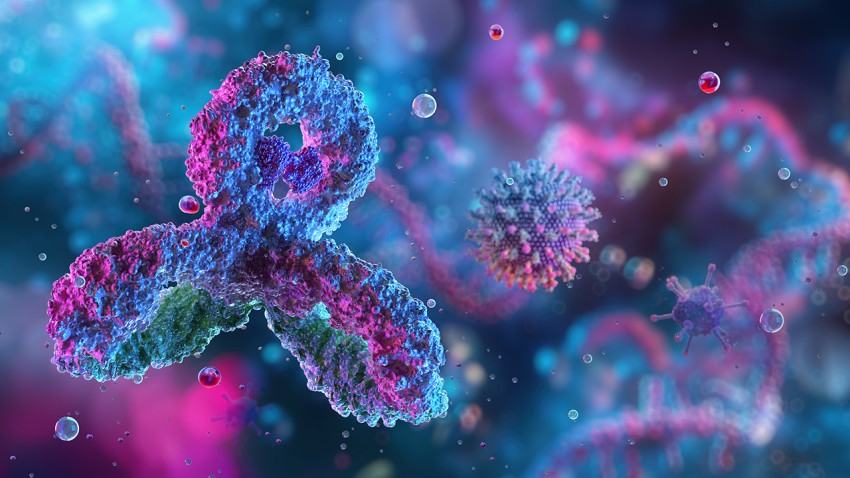
Nanoparticles sneak antibodies into cells to inhibit cancer, inflammation
A delivery system that uses lipid nanoparticles to sneak proteins into cells can accomplish the same feat with smuggling therapeutic antibodies, new research has found.
-
![Illustration of a lithium-ion battery surrounded by a recycling symbol]()
Electrochemical bath recycles critical minerals in batteries
Researchers developed a more efficient and cost-effective way to recover almost the full life of lithium-ion batteries after they are spent.
-
![]()
Entropy gives a ‘marriage’ of molecules just enough freedom
Researchers found entropy can help bind certain pairs of molecules faster and more robustly – an approach that could have broad applications in drug development and forming new materials.
-
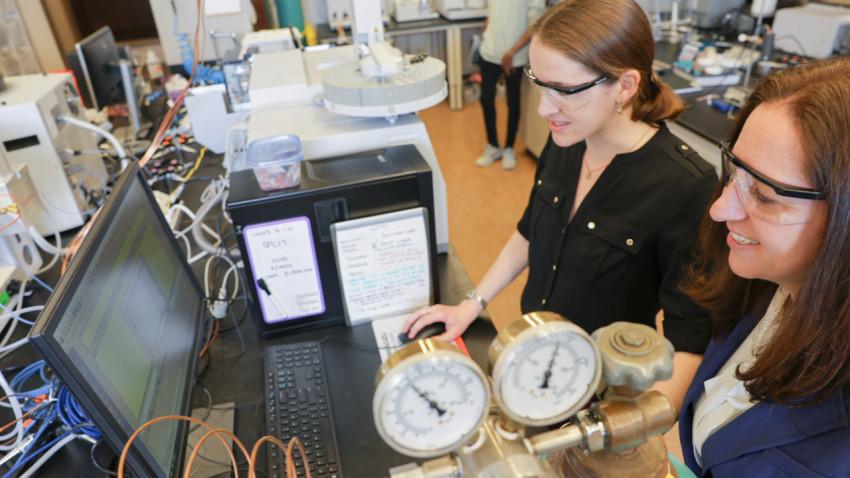
![Postdoctoral researcher Rebecca Gerdes, Ph.D. ’24, (left) and Jillian Goldfarb, associate professor of chemical and biomolecular engineering, led an interdisciplinary team that determined that organic residues of plant oils are poorly preserved in calcareous soils from the Mediterranean.]()
Ancient dirty dishes reveal decades of questionable findings
An interdisciplinary team of researchers determined that organic residues of plant oils are poorly preserved in calcareous soils from the Mediterranean, leading decades of archaeologists to likely misidentify olive oil in ceramic artifacts.

-
![nanoparticles]()
Intermediate phases speed nanoparticle crystallization
A well-placed step can turn a high hurdle into an easier jump. The same idea applies to how nanoparticles transition into crystals, according to new research from the Cornell Duffield College of Engineering.
-
![battery illustrating electrolytes]()
AI plus chemistry can expand battery electrolyte design
Artificial intelligence is aiding the search for better battery materials while using a creative approach to chemistry to expand the design space for electrolytes, unlocking new possibilities for safer, higher-performing energy storage.
-
![]()
Breakthrough could lead to plants that use water more efficiently
Cornell researchers have discovered a previously unknown way plants regulate water that is so fundamental it may change plant biology textbooks – and open the door to breeding more drought-tolerant crops.
-
![]()
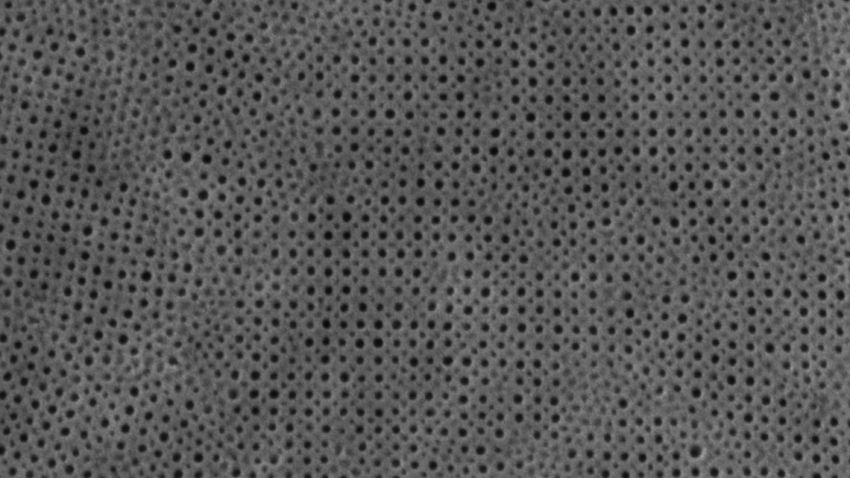
Machine learning teaches membranes to sort by chemical affinity
Cornell researchers have created porous materials that filter molecules by their chemical makeup.



People
-
![]()
Duffield Engineering SPROUT Awards for emerging research reach new high
The 16 grants are the most the SPROUT program has awarded in a single cycle and support a broad range of promising projects in AI, medicine, semiconductors, sustainability and more.
-
![]()
History-making gift endows professorship in R.F. Smith School
With the largest gift from a Cornell Engineering alumna in the college’s history, Lisa Walker ’86 has established the Lisa L. Walker 1986 Distinguished Professor of Chemical and Biomolecular Engineering, creating an endowed professorship and accompanying research fund to support exceptional faculty.
-
![]()
Duffield Engineering announces first recipients of Breakthrough awards
Innovative projects to enhance quantum research, experiential learning, semiconductor workforce development, and AI utilization in the Cornell Duffield College of Engineering will receive the first-ever awards from the Duffield Engineering Breakthrough Fund.


New Faculty
-
![]()
Pablo Cárdenas Ramírez is forecasting evolution to build more resilient medicines and biotechnologies
Pablo Cárdenas Ramírez is developing predictive tools to understand and guide evolution, with the goal of engineering more resilient medicines, microbiomes and biotechnologies that remain effective as biological systems adapt.
-
![]()
Tetsuhiro Harimoto is engineering living medicines for smarter, more precise drug delivery
Tetsuhiro Harimoto is engineering programmable living medicines that combine genetically modified microbes and biomaterials to sense disease, target treatment and deliver therapies with greater precision.
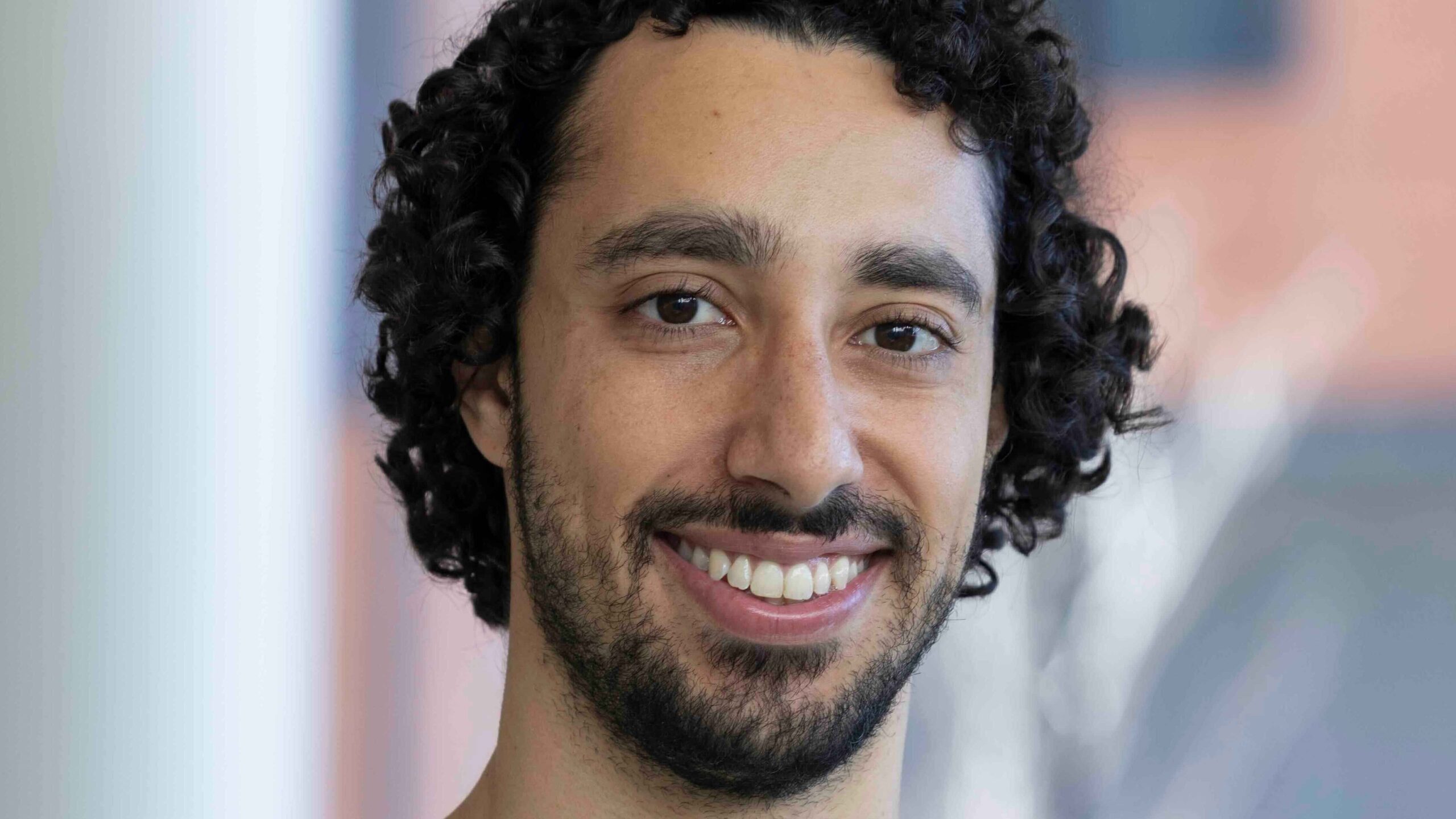
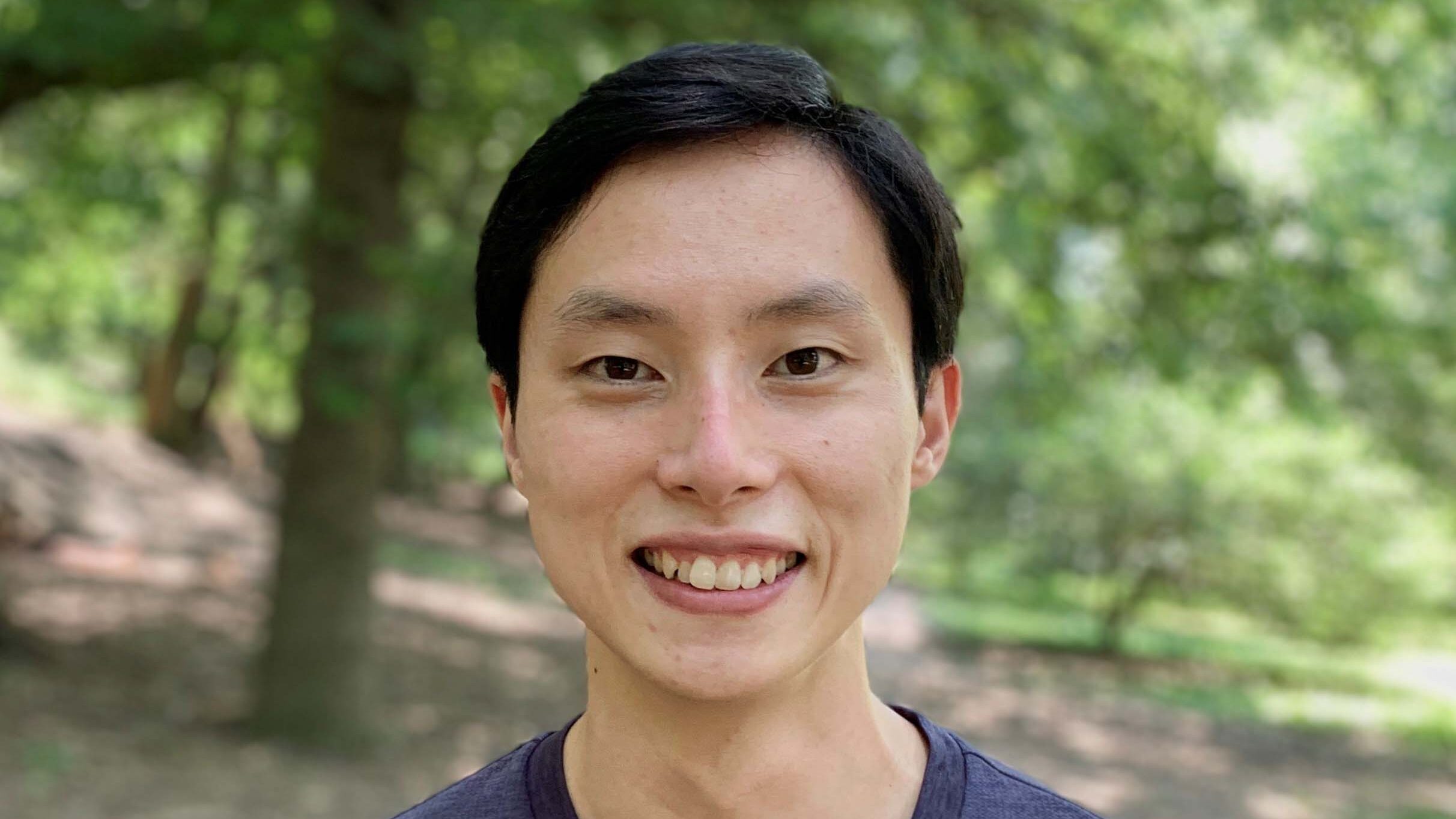
Postdoc Profile
-
![]()
Postdoc Wenjing Tiang is advancing drug delivery through the immune system
Postdoc Wenjing Tiang’s research uses the body’s immune system to deliver drugs to difficult-to-access places.
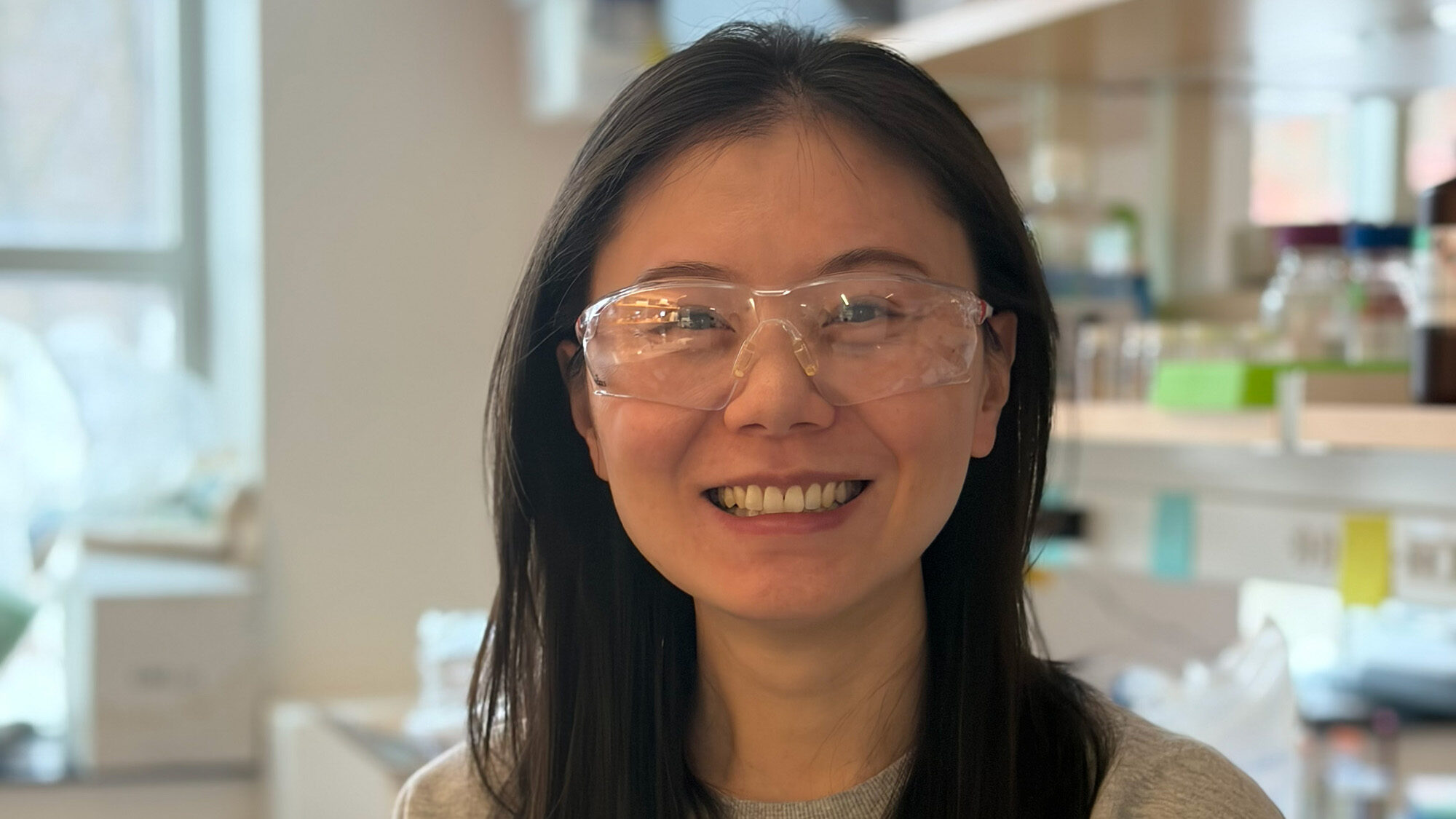
Community
-
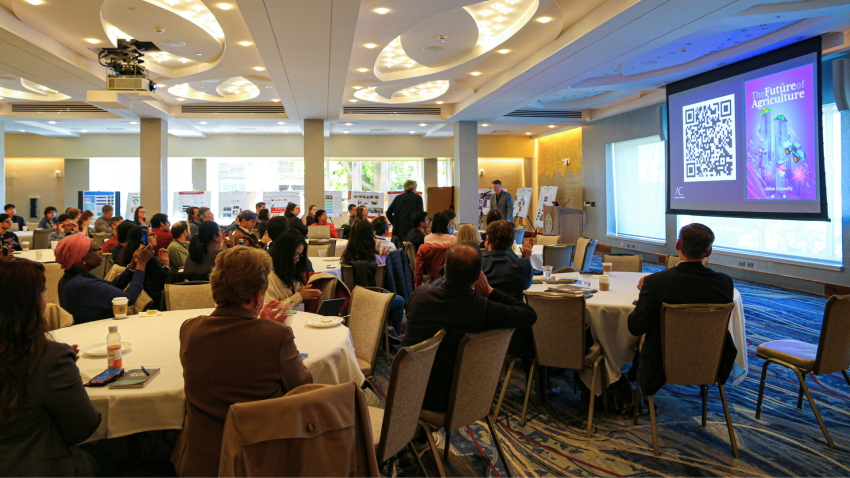
![Aidan Connolly, President, AgriTech Capital finishes his keynote at CIDA's 8th Annual Cornell Institute for Digital Agriculture Workshop.]()
Cornell summit showcases AI innovation in agriculture
The Cornell Institute for Digital Agriculture (CIDA) convened its annual workshop on Oct. 21, 2025, at the Statler Hotel on the Cornell University campus. The day-long gathering featured project updates, networking, and a keynote exploring how artificial intelligence is reshaping food systems.
-
![]()
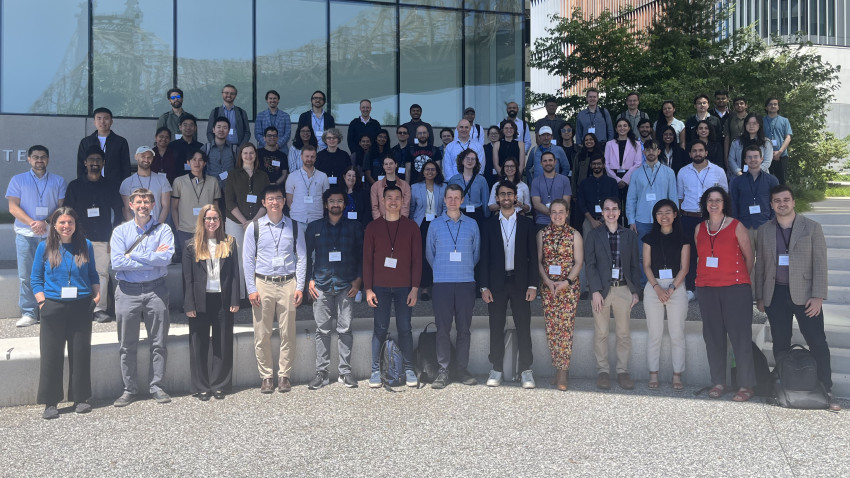
Researchers gather at Cornell Tech to explore AI for molecular science
Researchers from around the world gathered at Cornell Tech for a workshop exploring how physics-aware artificial intelligence can accelerate the discovery of molecules and materials while improving the reliability of machine learning models.
-
![]()
Cornellians to address AI, NY energy future at Climate Week NYC
Cornell and global leaders will come together at Climate Week NYC Sept. 20-27 to discuss some of the world’s most pressing sustainability challenges, including harnessing AI’s power while mitigating its negative impacts.
-
![]()
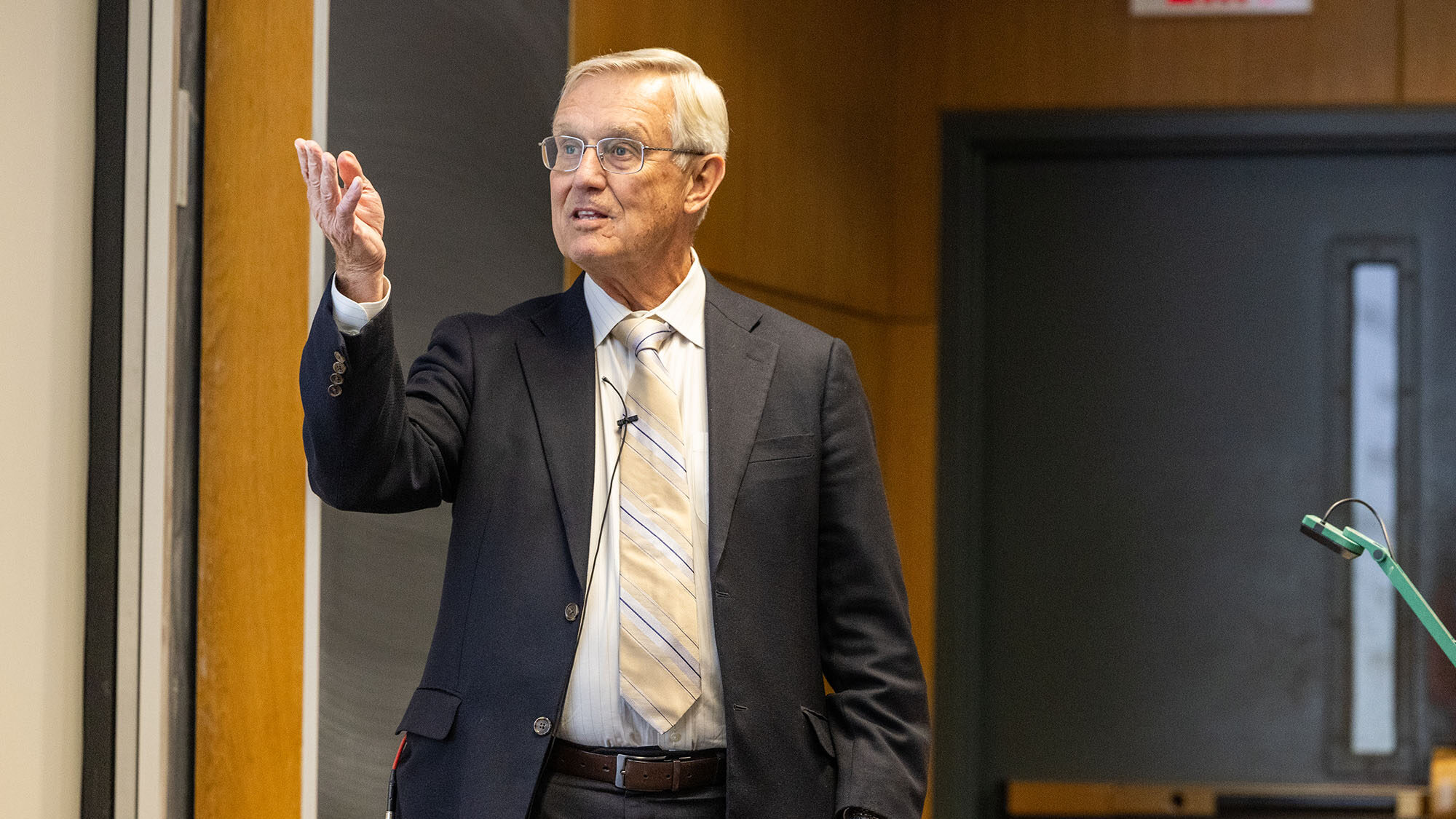
John L. Anderson explores engineering’s relationship with science and technology
Anderson spoke as the 2026 Julian C. Smith Distinguish Lecturer.
-
![]()
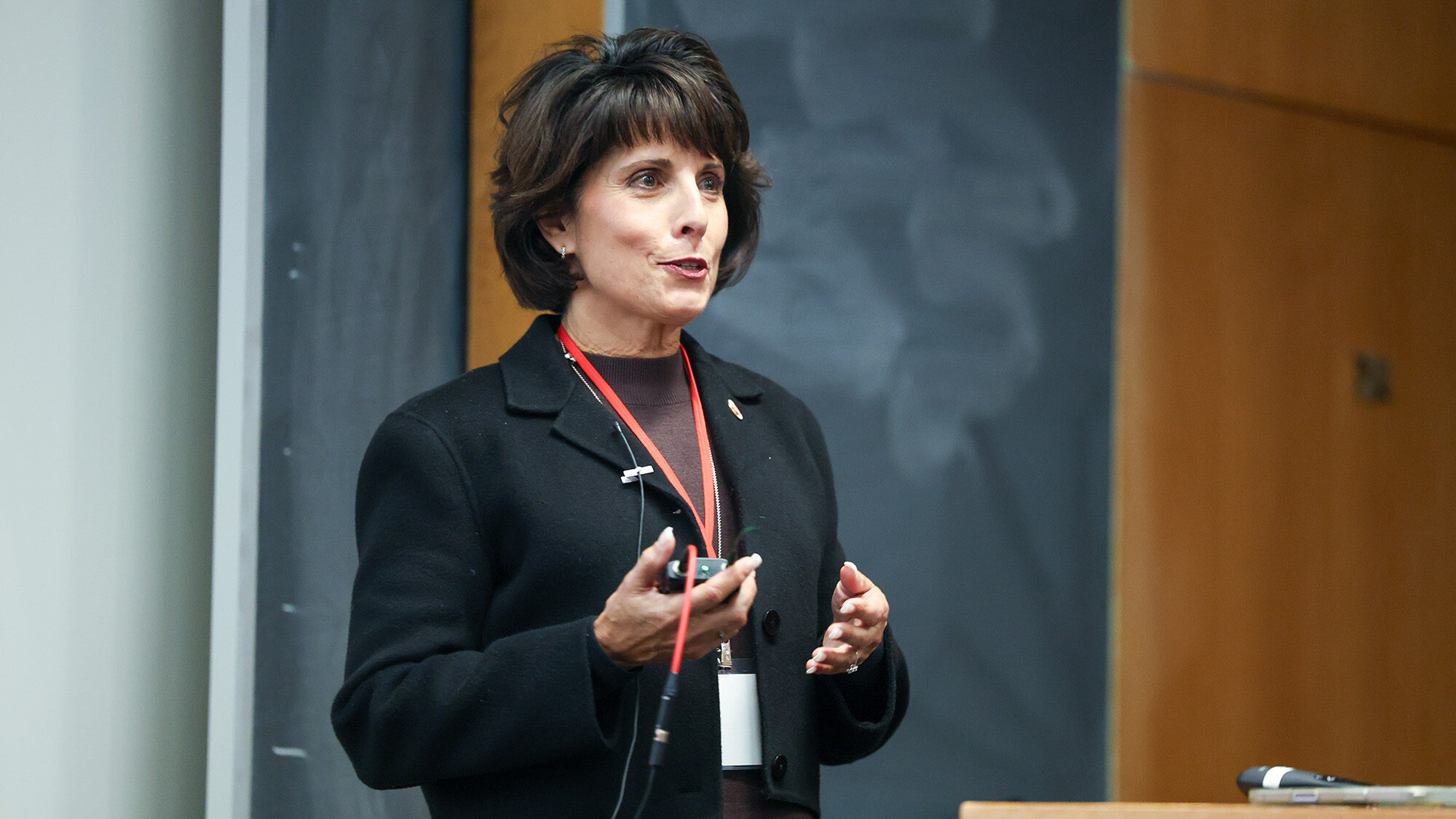
Marlene Quijano reflects on Cornell’s role in shaping a career of innovation and leadership
Marlene M. Quijano ’85 delivered the 2025 Raymond G. Thorpe Lecture.
Student Experience
-
![]()
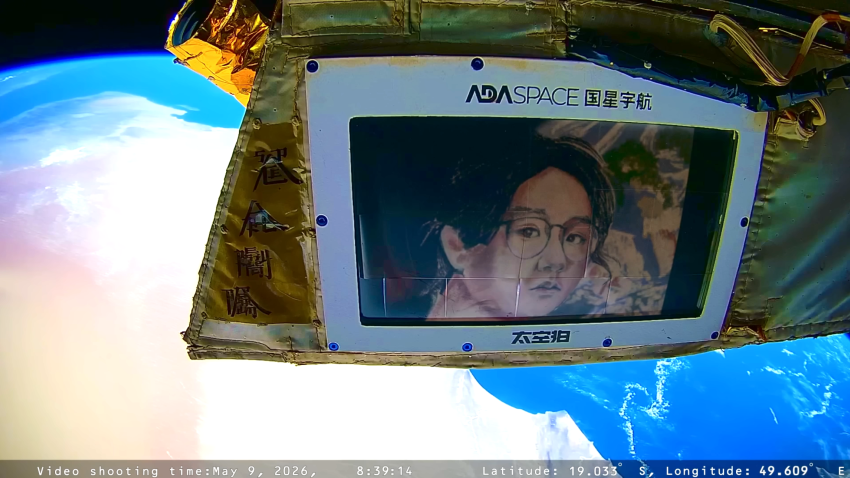
Artist-researcher sends climate science from lab to low-Earth orbit
Claire Choi ’28 transformed her engineering research into CO2, a space-based artwork exploring humanity’s relationship with carbon dioxide that was selected for the Xu Bing Space Art Residency Program and recorded aboard an orbiting satellite.
-
![]()
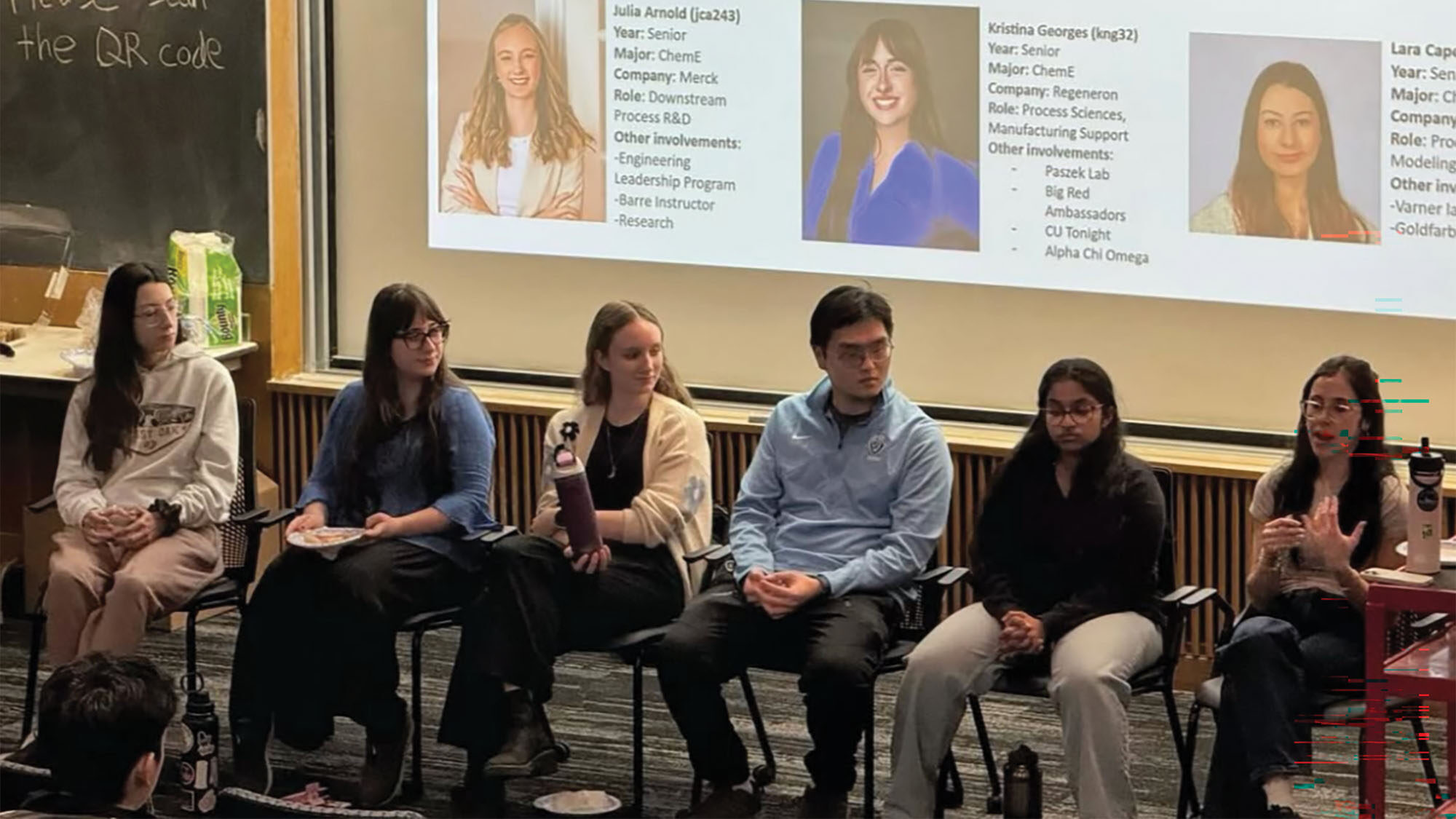
2026 Student Group Update
Across the R.F. Smith School, student organizations expanded opportunities to explore ideas, build connections and serve the community.
Spotlight on M.Eng.
-
![Gwendolyn Minogue M.Eng.]()
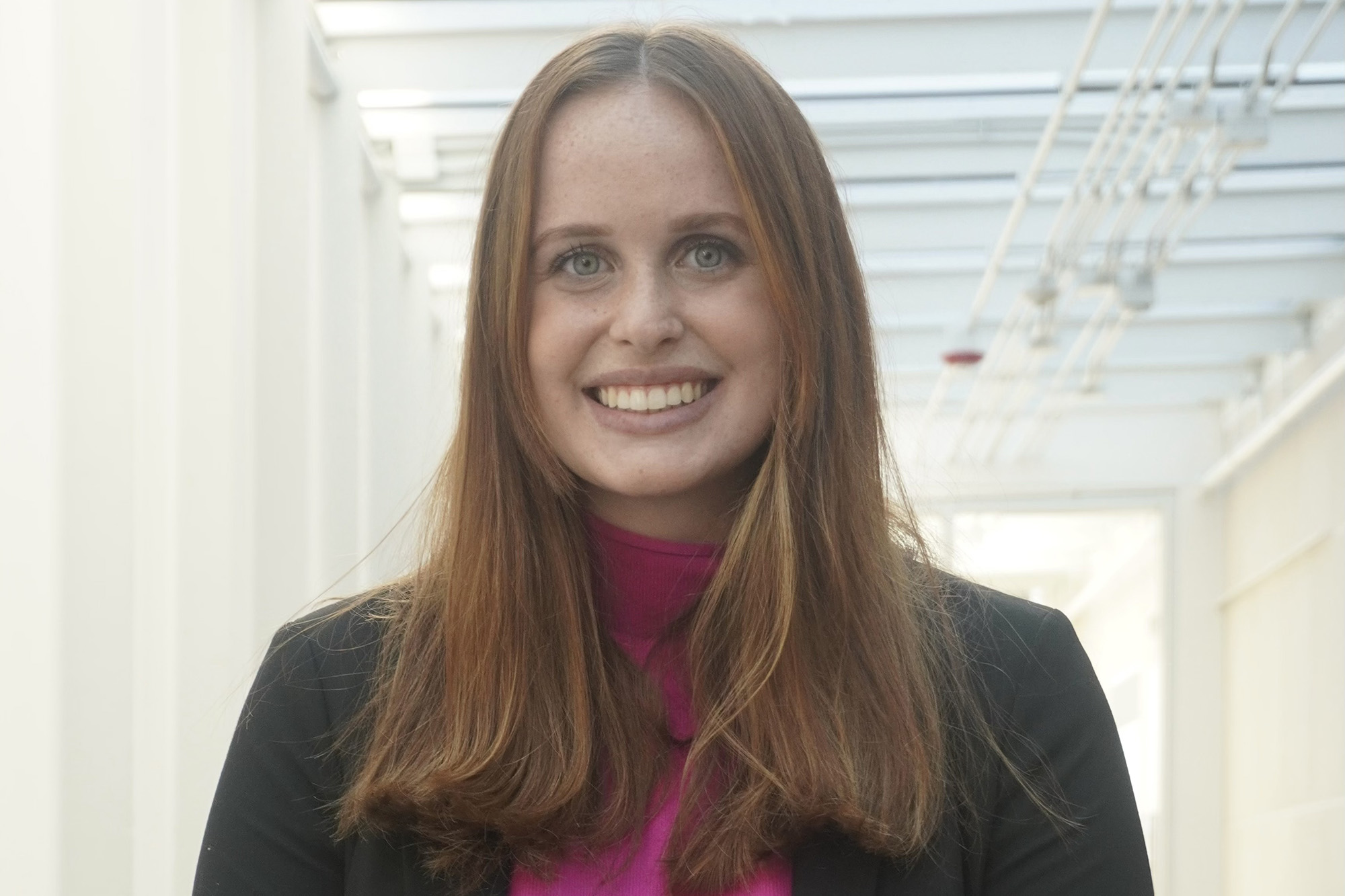
Gwendolyn Minogue found finance through engineering
-
![Siddhant Dhende]()
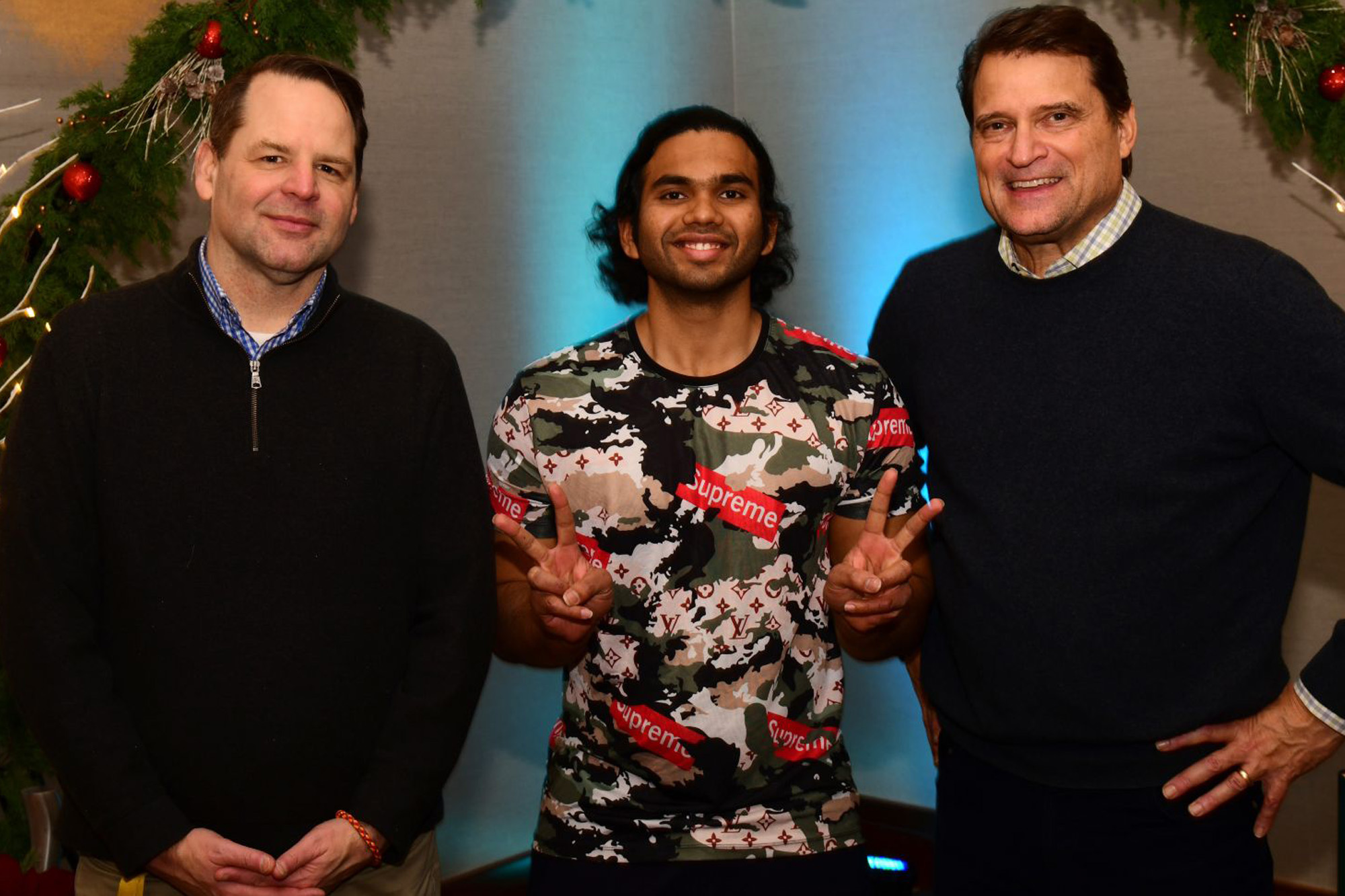
Siddhant Dhende is carrying a legacy into the future of energy
-
![]()
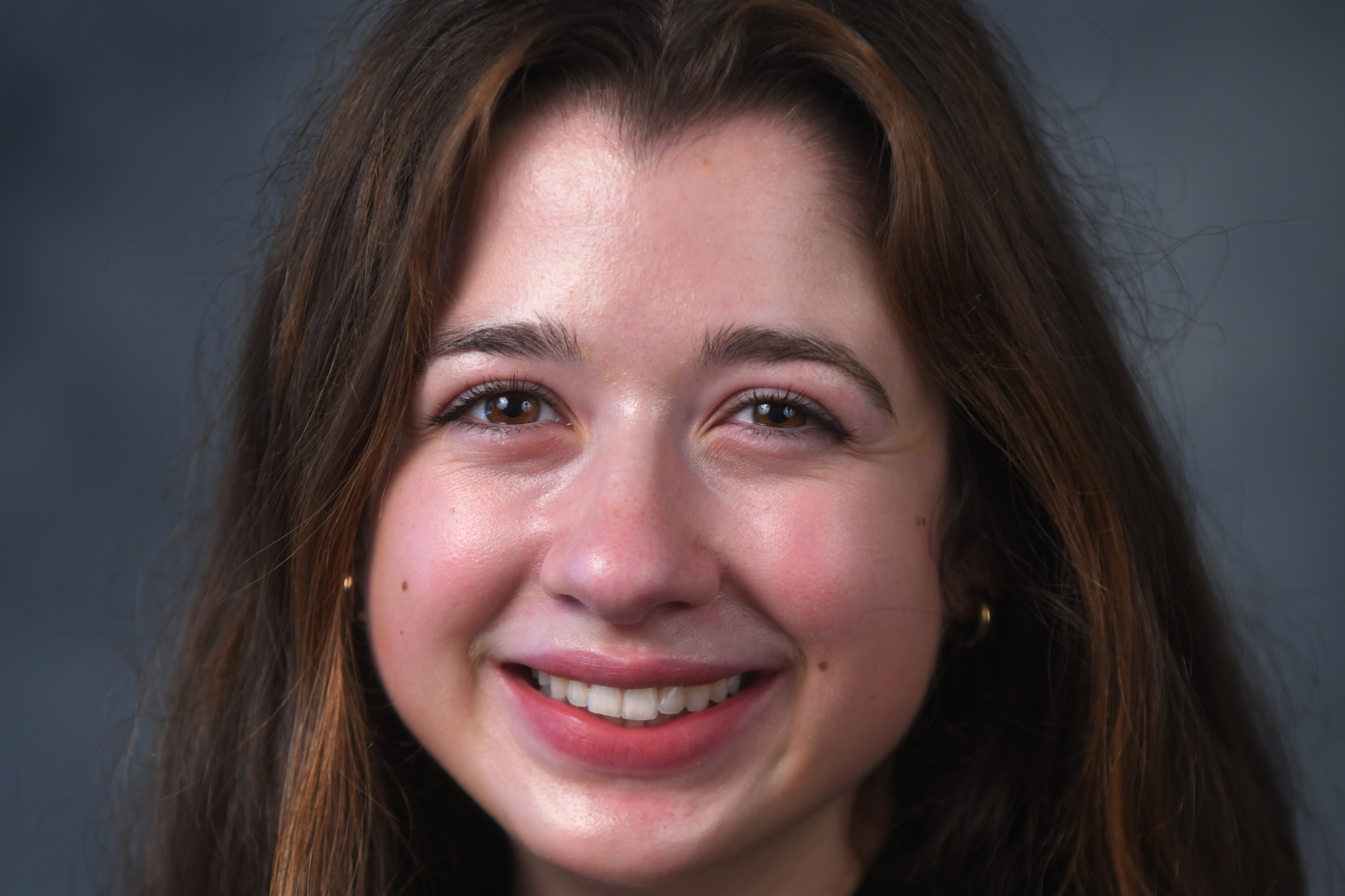
For Julia Salatti, versatility and discovery come together in Cornell’s M.Eng. experience
-
![Alina Chisti]()
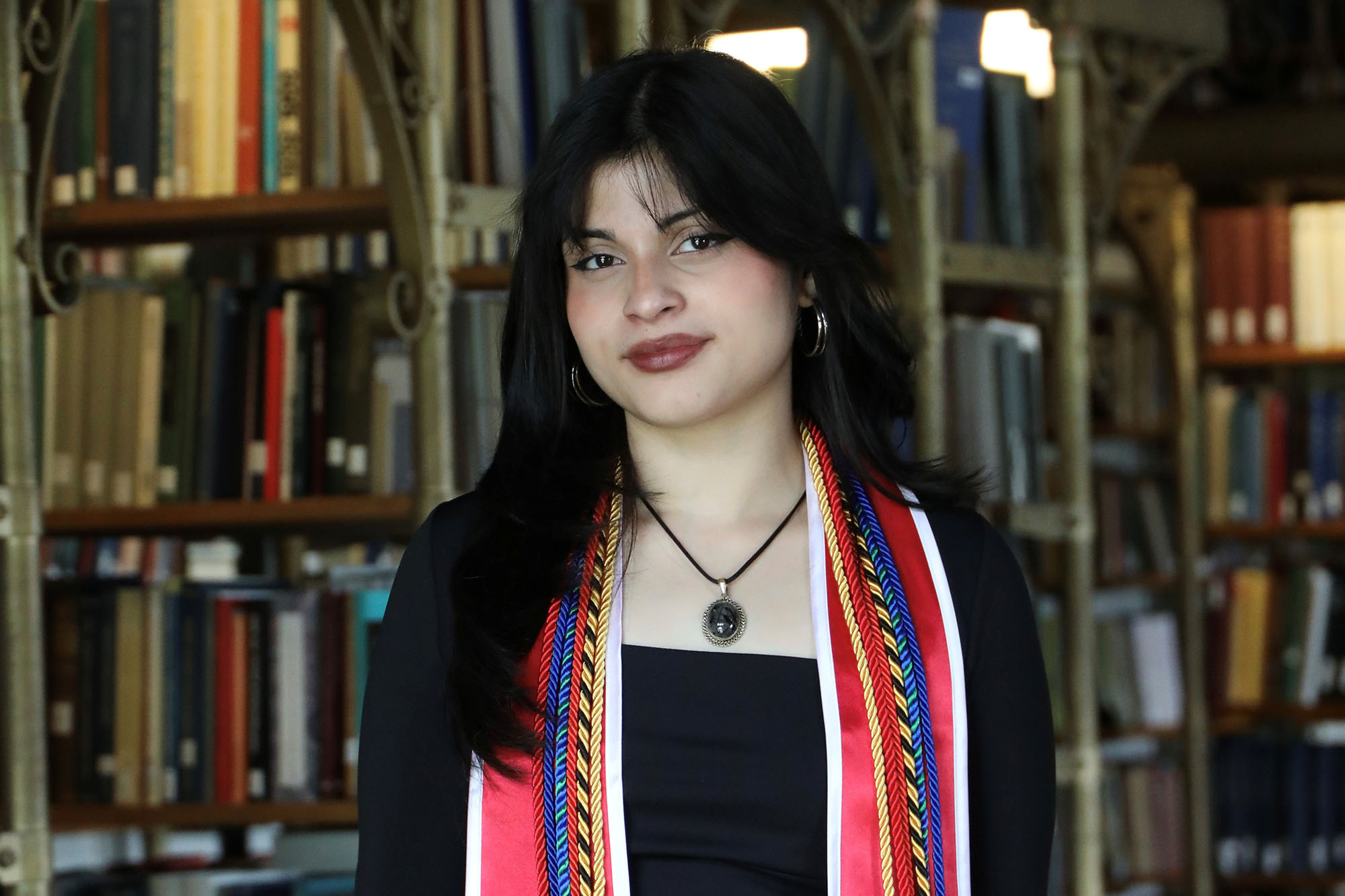
For Alina Chisti, Cornell’s M.Eng. expanded her undergraduate foundation to address real-world biopharma solutions