-
One-Year Program
30 credits completed over two semesters.
-
Industry-driven Capstone Project
Applied, experiential learning through a real-world project rather than a research thesis.
-
Open to All STEM Majors
Our cohort draws from many academic backgrounds.
Program Highlights
-
Customize Your Path
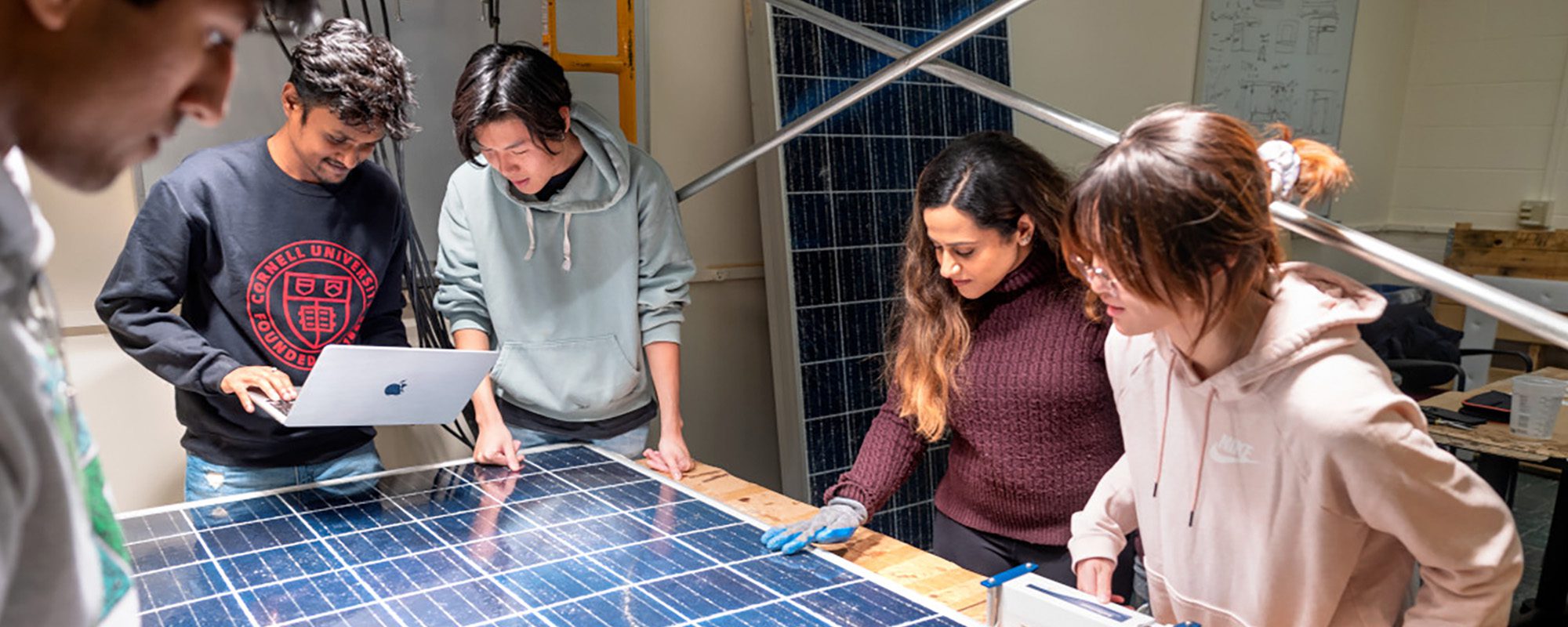
Tailor your coursework with options across Cornell University to align with your interest and goals through our flexible, interdisciplinary curriculum.
-
Pursue a Focus Area
Take a deeper dive in the areas of data science and AI, energy economics, or medical and industrial biotechnology.
-
Solve Real Challenges
Work in collaboration with industry partners or department faculty to complete an industry-focused capstone project that delivers practical, high-impact results – no thesis required.
-
Build Leadership Skills
Strengthen innovation, entrepreneurship, and management skills through professional development and collaboration.
Upcoming Info Sessions
-
![]()
Chemical Engineering M.Eng. Virtual Info Session – Oct 20
Register Now Cornell University’s one-year Chemical Engineering Master of Engineering (M.Eng.) program is designed to bridge the gap between your academic foundation and the demands of todayR…
-
![]()
Chemical Engineering M.Eng. Virtual Info Session – Nov 17
Register Now Cornell University’s one-year Chemical Engineering Master of Engineering (M.Eng.) program is designed to bridge the gap between your academic foundation and the demands of todayR…
-
![]()
Chemical Engineering M.Eng. Virtual Info Session – Dec 9
Register Now Cornell University’s one-year Chemical Engineering Master of Engineering (M.Eng.) program is designed to bridge the gap between your academic foundation and the demands of todayR…


Focus Areas Designed Around the Skills Industry Wants
Choose a focus area that aligns with your interests.
-
![Person hand holding water sensor computer chip above a crate of apples. The chip was developed by professor Abraham Stroock]()
Data Science and Artificial Intelligence
Apply data analytics, machine learning, and AI to solve real-world engineering challenges. This focus area bridges process engineering, data science, and computer science to prepare you for the next wave of smart technologies.
-
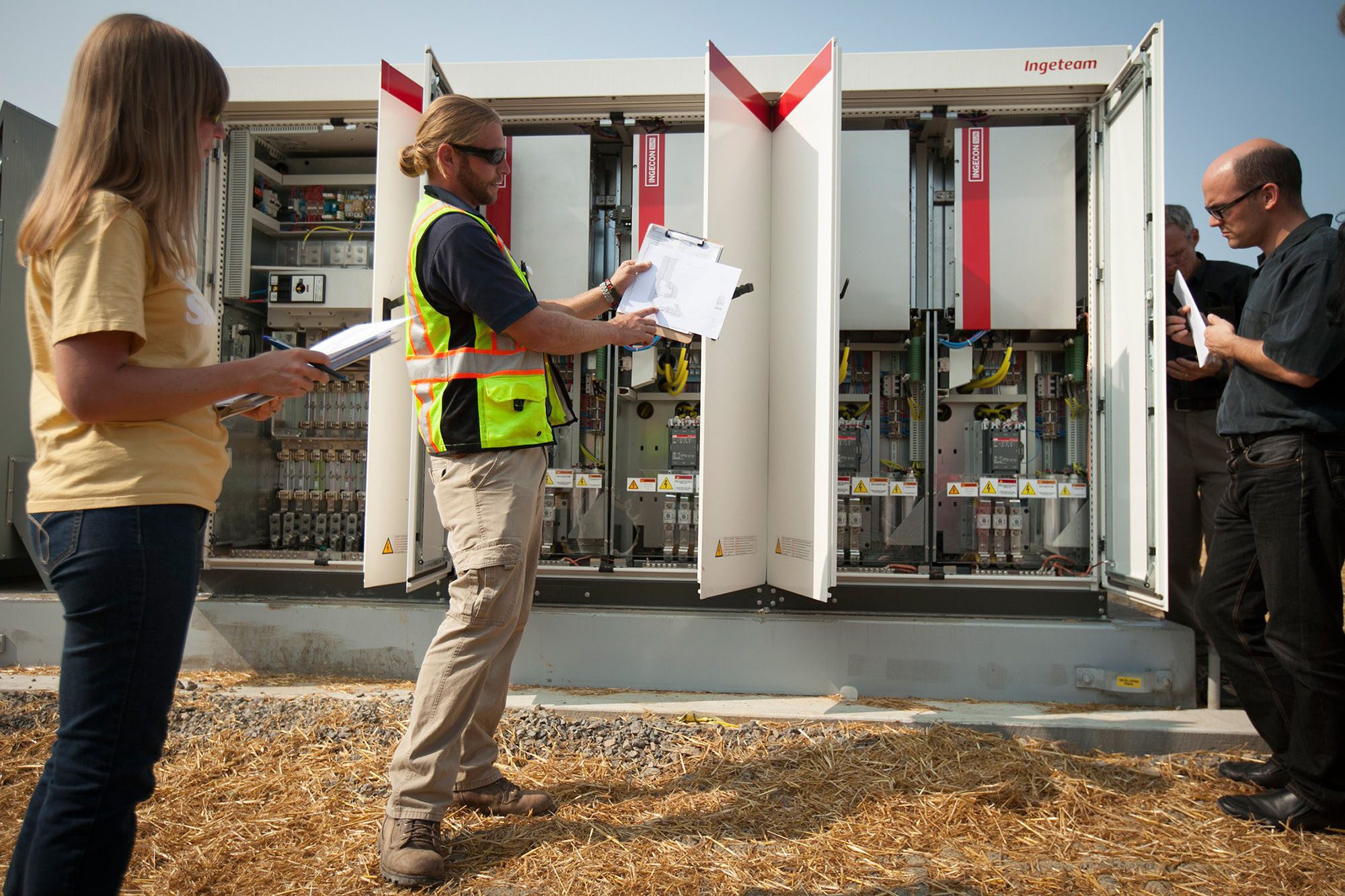
![Solar Farm tour with professor Tobias Hanrath.]()
Energy Economics and Engineering
Lead the transition to a carbon-neutral future. Combine technical, financial, and policy insights to design sustainable energy systems and drive innovation across industries.
-
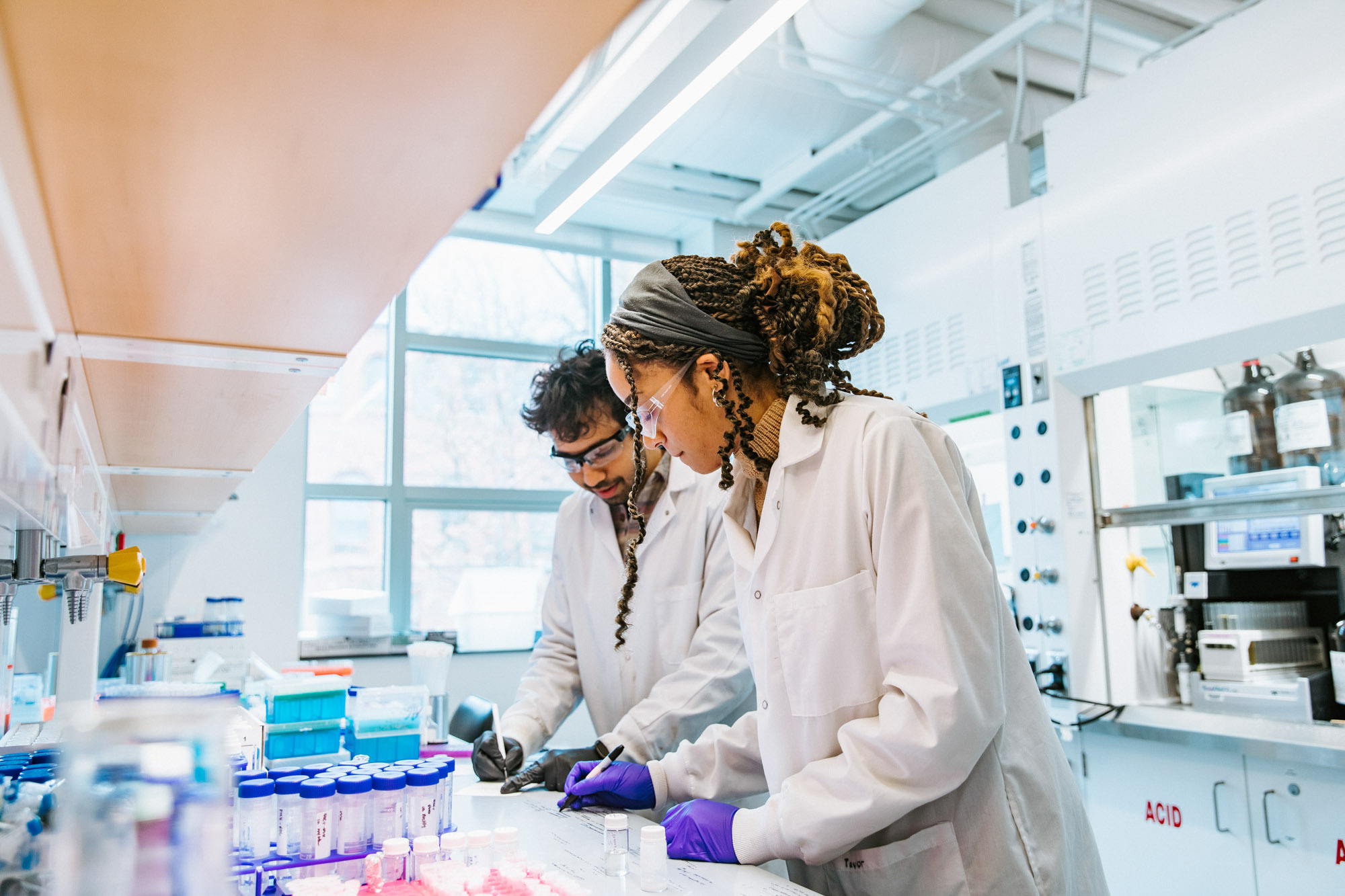
![two researchers in lab coats conducting an experiment in the Alabi Lab.]()
Medical and Industrial Biotechnology
Transform health and industry through biotechnology. Gain practical experience in analytics, bioengineering, and process design to power breakthroughs in medicine and renewable materials.

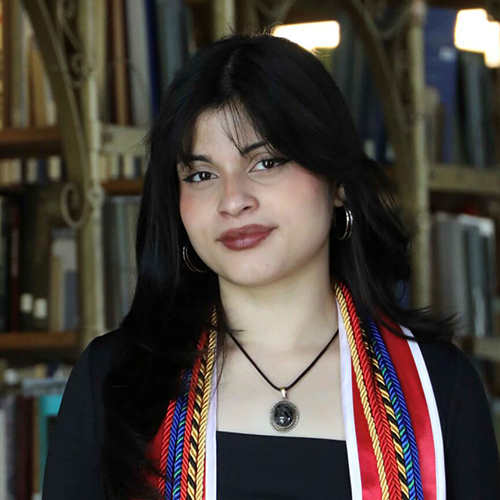
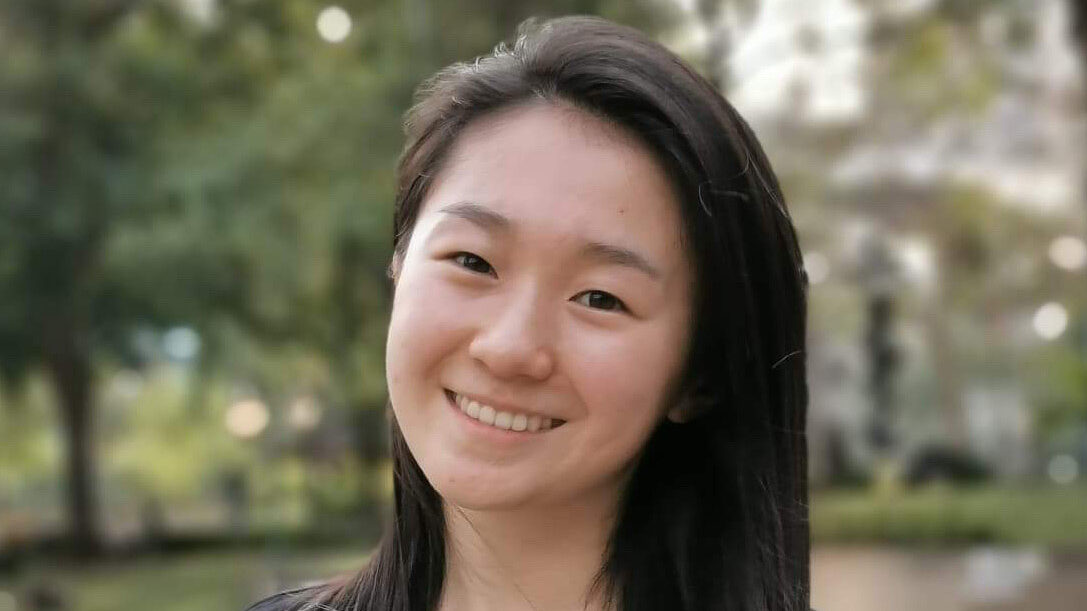
“One of the most rewarding parts of my M.Eng. experience was stepping into a completely new and challenging space and pushing myself to navigate something complex and unfamiliar. Learning how to apply machine learning concepts in an engineering and healthcare context was especially fulfilling.”
Alina Chisti M.Eng. ‘25
Find Out More
Master of Science vs. Master of Engineering – What’s the Best Fit for you?
Both the Master of Science (M.S.) and Master of Engineering (M.Eng.) are rigorous graduate degrees, but they’re designed for different goals and learning styles. If your goal is to conduct original research and explore academic or research-intensive careers, the M.S. may be the right fit. If you’re looking to build applied skills, work on real world problems, and move quickly into an industry career, the M.Eng. offers a focused, experience-driven path forward.
-
The M.Eng.: Non-Thesis, Project-Based Learning
- 2–3 semesters, often completed in less than a year
- Focused on professional practice and leadership skills
- Prepares you for industry or entrepreneurial roles
- M.Eng. project: Instead of a traditional thesis, M.Eng. students complete a team-based or individual projects that reflect how engineering work happens in industry, startups, healthcare, and public-facing organizations.
-
The M.S.: Thesis-Based Research
- Typically 2 or more years
- Focused on research and academic inquiry
- Often leads to Ph.D. or research positions
- Research thesis: Students typically work closely with a faculty advisor over multiple semesters to develop and defend a research thesis.
News and Spotlights
-
![]()
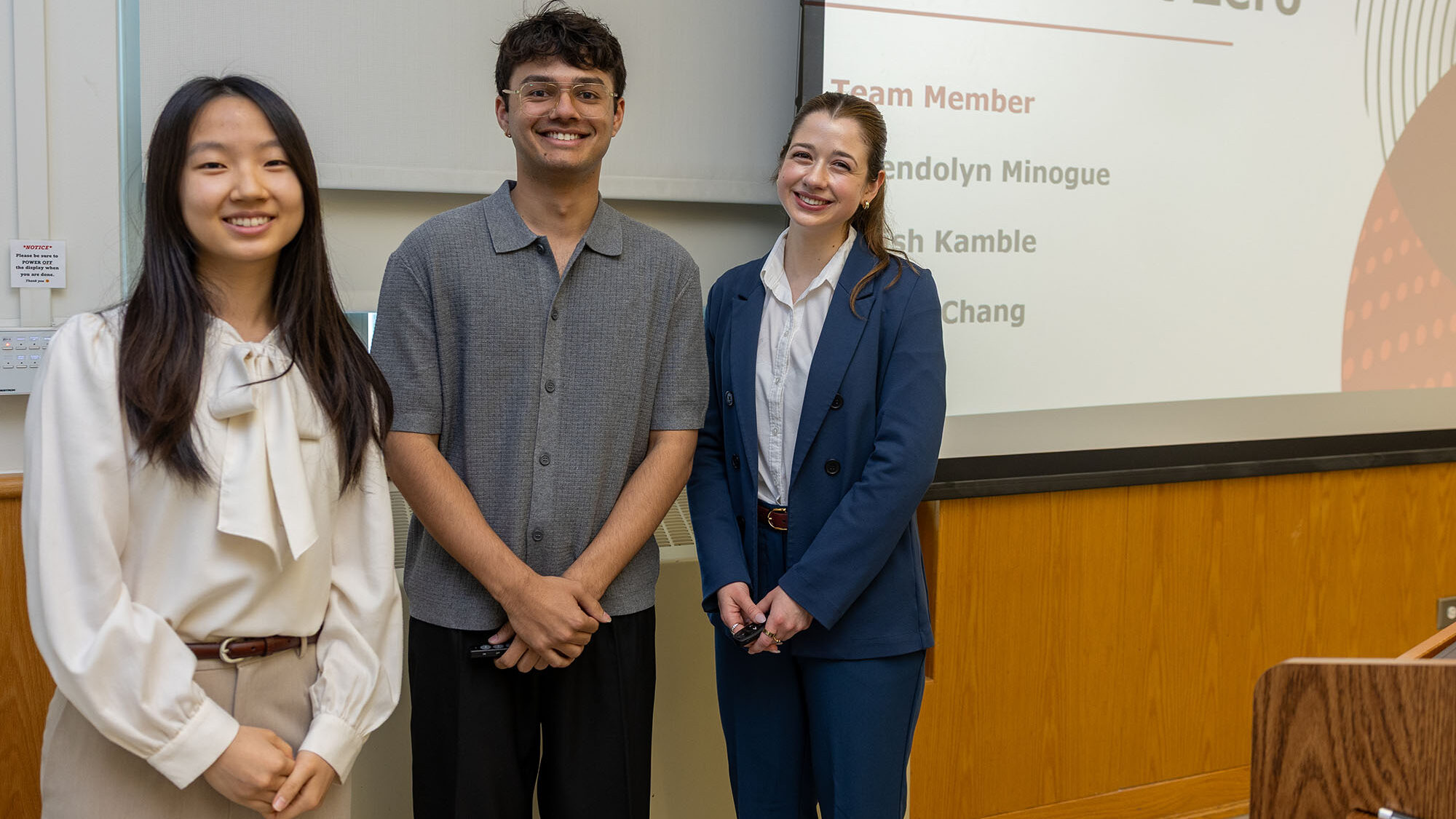
From chemistry and political science to engineering and finance: One student’s interdisciplinary path through Cornell’s M.Eng. program
Gwendolyn Minogue’s journey through Cornell’s M.Eng. program in chemical engineering highlights how an interdisciplinary education can empower students to pursue unexpected career paths.
-
![]()
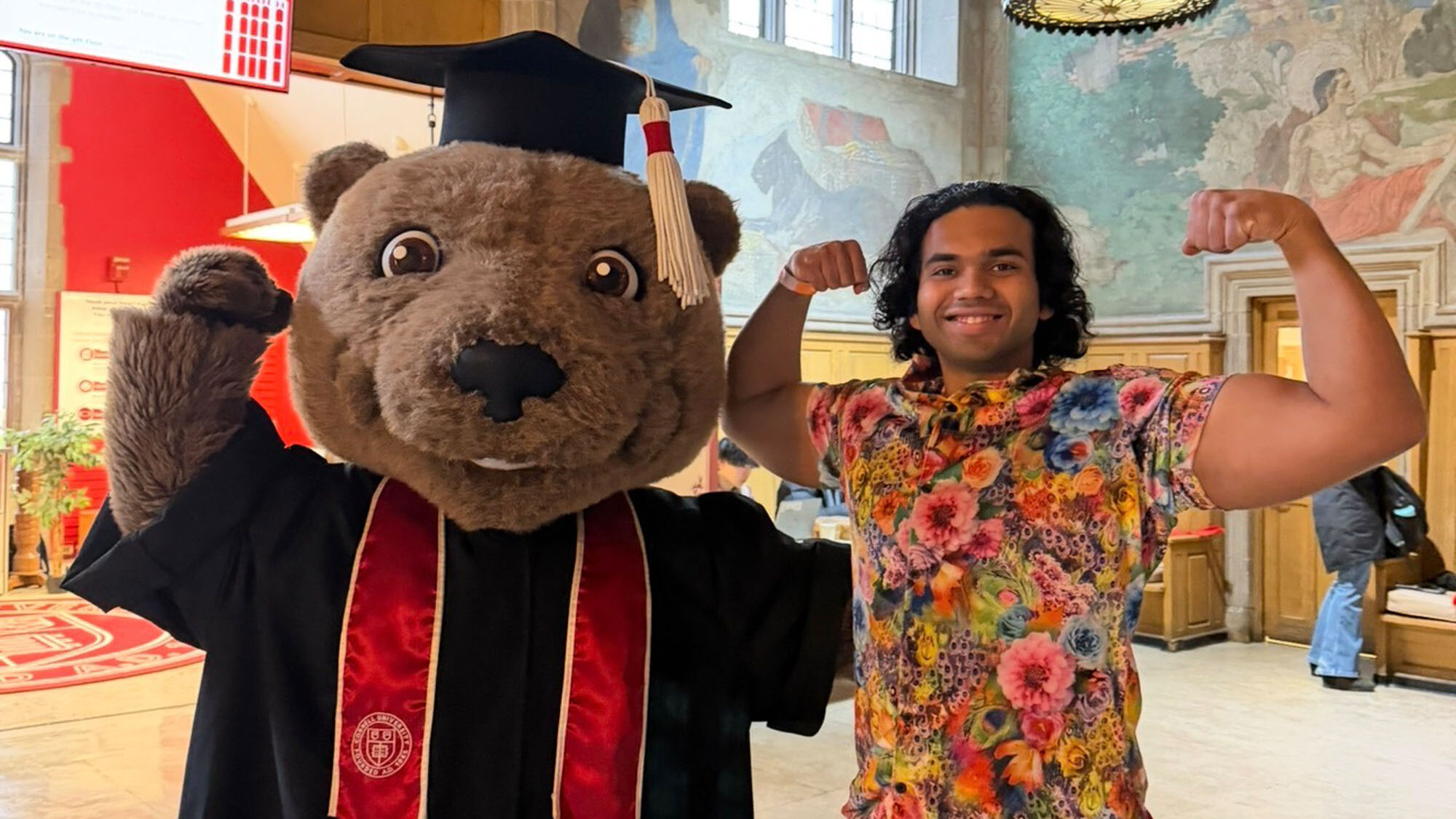
M.Eng. student applies systems approach to energy storage, guided by family legacy
Inspired by his father’s career and his mother’s support, chemical engineering M.Eng. student Siddhant Sandeep Dhende is developing grid-scale battery storage solutions for real-world energy challenges.
-
![]()
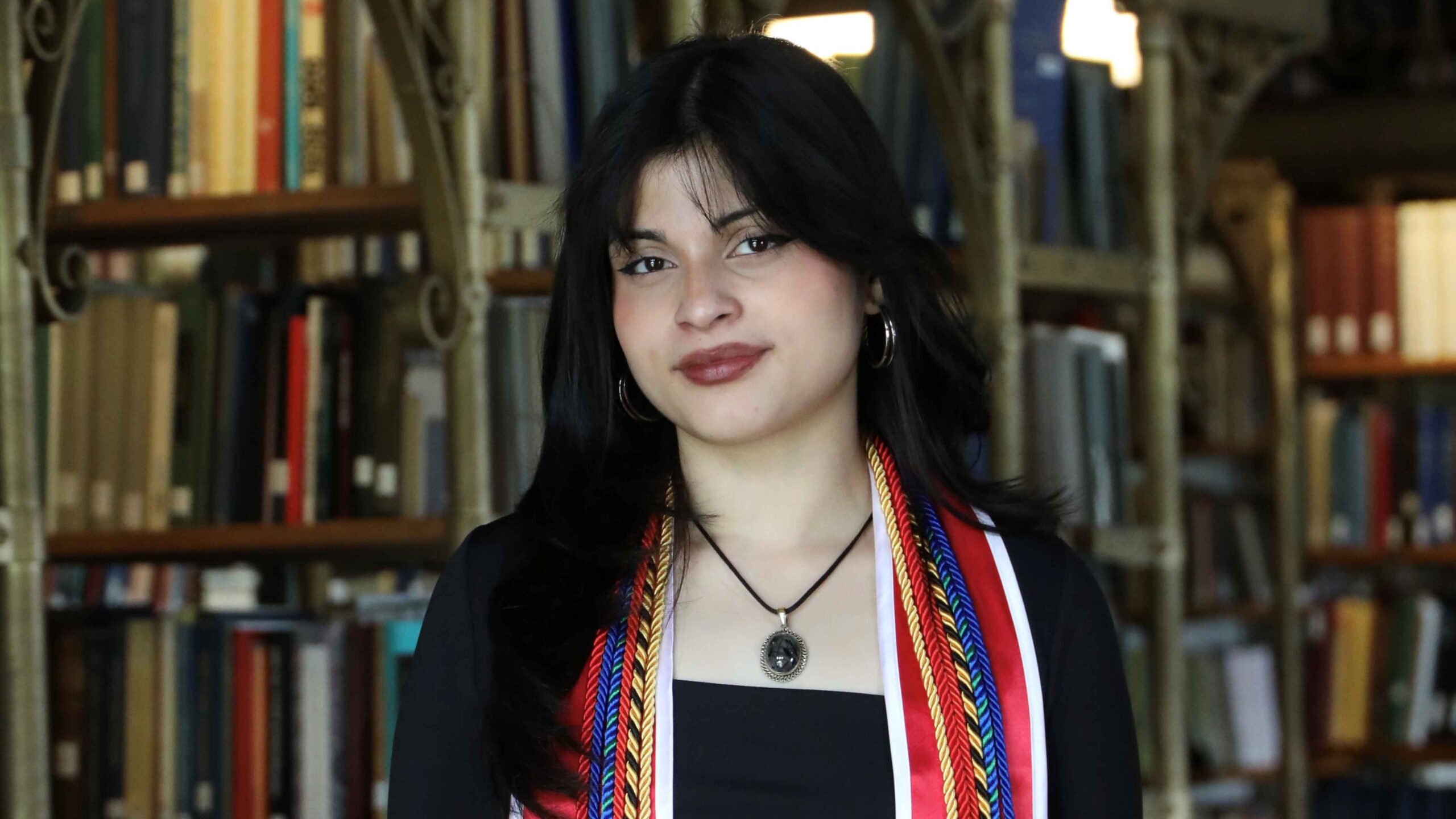
For Alina Chisti, Cornell’s M.Eng. expanded her undergraduate foundation to address real-world biopharma solutions
Alina Chisti pushed beyond traditional chemical engineering to apply machine learning to real-world biopharmaceutical challenges. Her M.Eng. project bridged engineering, AI, and healthcare to help speed the delivery of critical treatments to patients worldwide.
-
![]()
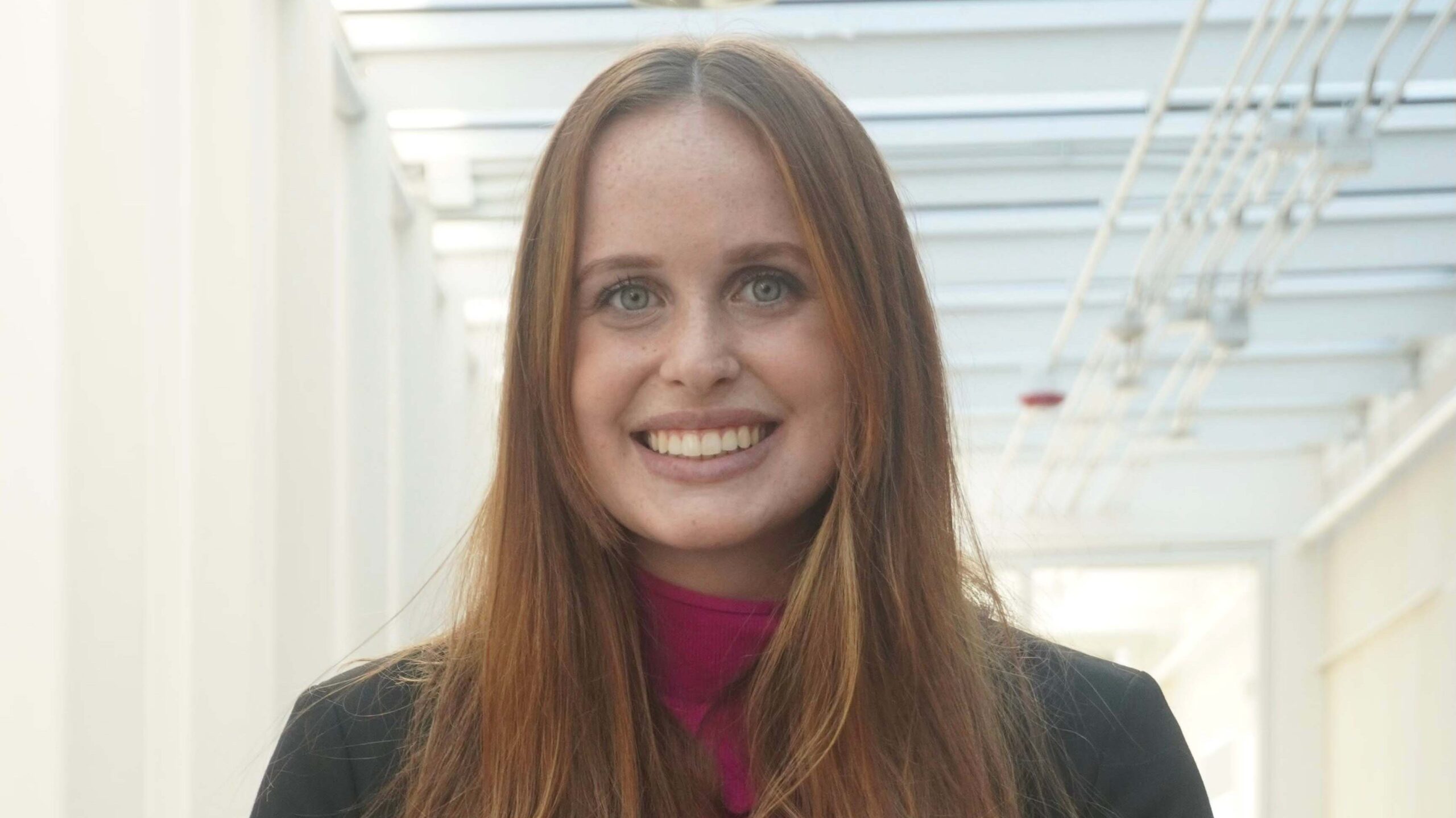
For Julia Salatti, versatility and discovery come together in Cornell’s M.Eng. experience
Cornell’s flexible curriculum and interdisciplinary approach allowed Julia Salatti to blend her interests in biology, data science, and engineering. From hands-on projects in polymer materials to real-world collaborations with industry partners, her journey reflects the versatility and discovery that define the Cornell M.Eng. experience.
-
![]()
Cornell Ranked Best On-Campus Masters of Engineering in Data Science for AI and Machine Learning
Honor recognizes the R.F. Smith School’s innovative M.Eng. in chemical engineering with a focus in Data Science and Artificial Intelligence (DSAI).
-
![]()
What would it take to heat Cornell’s 745-acre campus sustainably with renewable energy, even on the coldest of days?
That’s the question, Leah Zhao ‘24, investigated for her capstone project as an M.Eng. student in the Smith School of Chemical and Biomolecular Engineering. The project was divided into two main sections, one investigating geothermal baseload heating options and…

Featured Employers
- Air Products and Chemicals
- Amazon
- Arcadis
- AstraZeneca
- Bristol Myers Squibb
- Codexis
- ConocoPhillips
- Corning Inc.
- Deloitte
- Exxon Mobil
- General Electric
- General Mills
- Genentech
- Global Foundries
- GTE Products Corporation
- IBM
- Infineum
- Intel
- Kraft Foods
- Merck
- Micron
- Motorola
- NOHMs
- PepsiCo
- Procter and Gamble
- Regeneron
- Technologies PowerAdvocate
- Tesla
- Samsung
- Saudi Aramco
- Schlumberger
- Veolia
- Wood Mackenzie
Job Title Examples
- Applications Engineer
- Battery Engineer
- Chemical Process Engineer
- Data and AI Technical Specialist
- Development Engineer
- Director of Engineer Standards and Compliance
- Energy Analyst
- Failure Analysis Engineer
- Food Safety and Quality Associate
- Innovation Operations and Strategy Manager
- Machine Learning Engineer
- Manufacturing Engineer
- Materials Development Engineer
- Petroleum Engineer
- Plant Contact Engineer
- Process Automation Engineer
- Process Technology Leader
- Process Engineer
- Quality Control Analyst
- Renewable Development Analyst
- Senior Associate Scientist
- Senior Technical Project Manager
- Software Engineer
- Strategy and Management Consultant
M.Eng. Program Contacts
-
M.Eng Program Coordinator
-
Unable to attend an info session?
If you can’t make it to one of our upcoming info sessions, you can:
- Email the M.Eng. Program Coordinator, cbe-meng@cornell.edu