Bridging engineering and medicine to better human health.
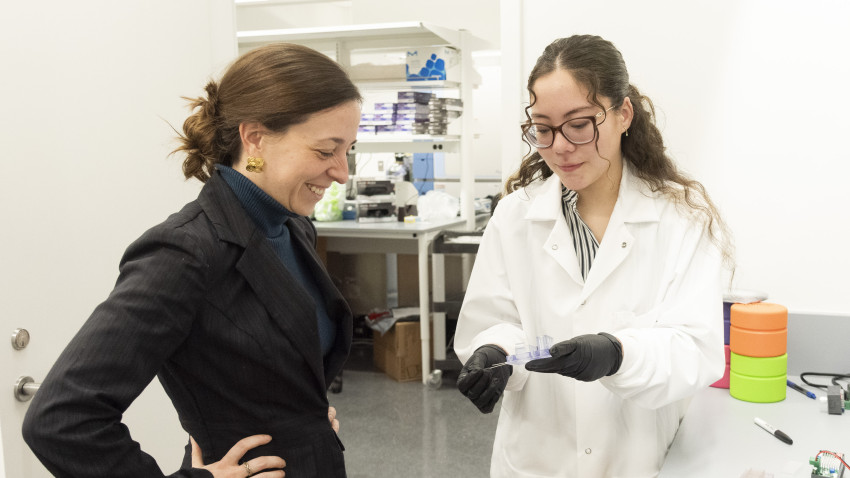
Biomedical engineering is a bridge connecting engineering and the physical sciences with biology and medicine. We explore the behavior of physiological systems and design effective new biomedical devices and therapies, enhancing life and our understanding of its potential.
Our Programs
Biomedical engineering combines engineering with medical sciences to improve healthcare. Our programs are ideal for those driven to innovate in medical devices, diagnostics, and treatment technologies.

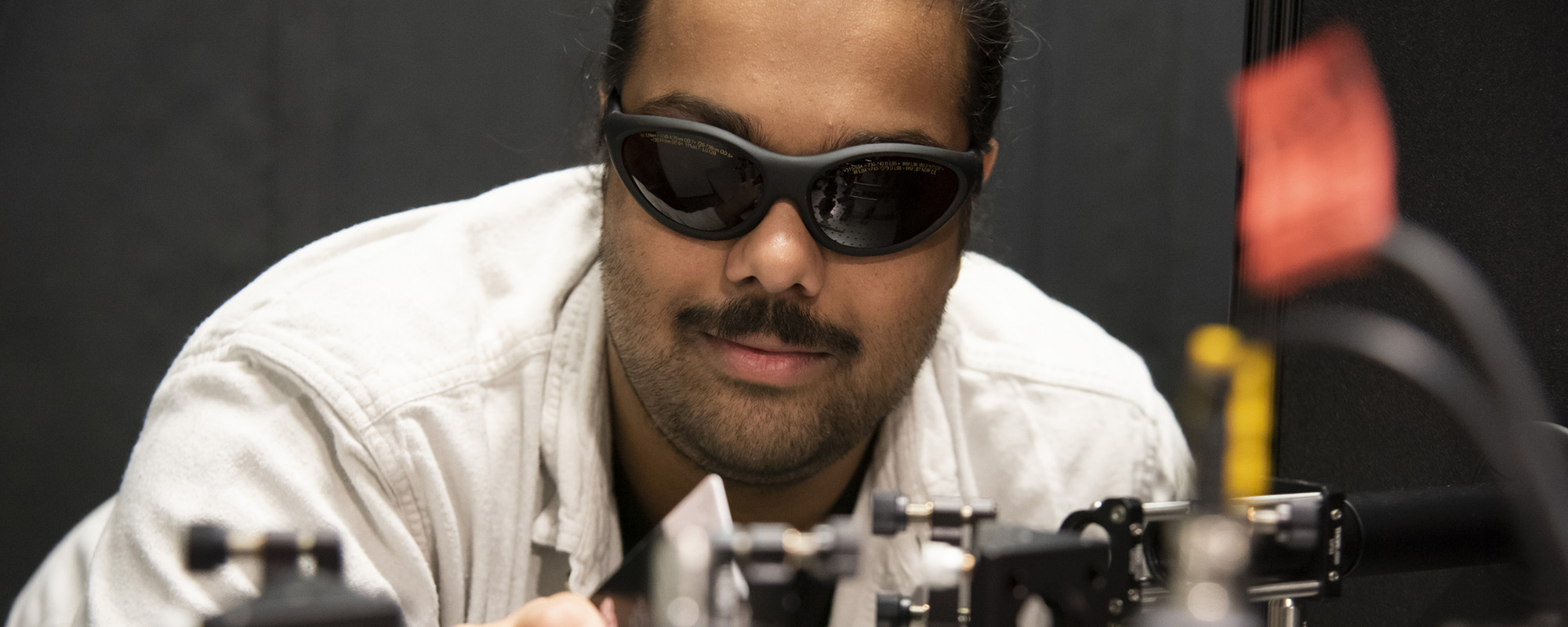
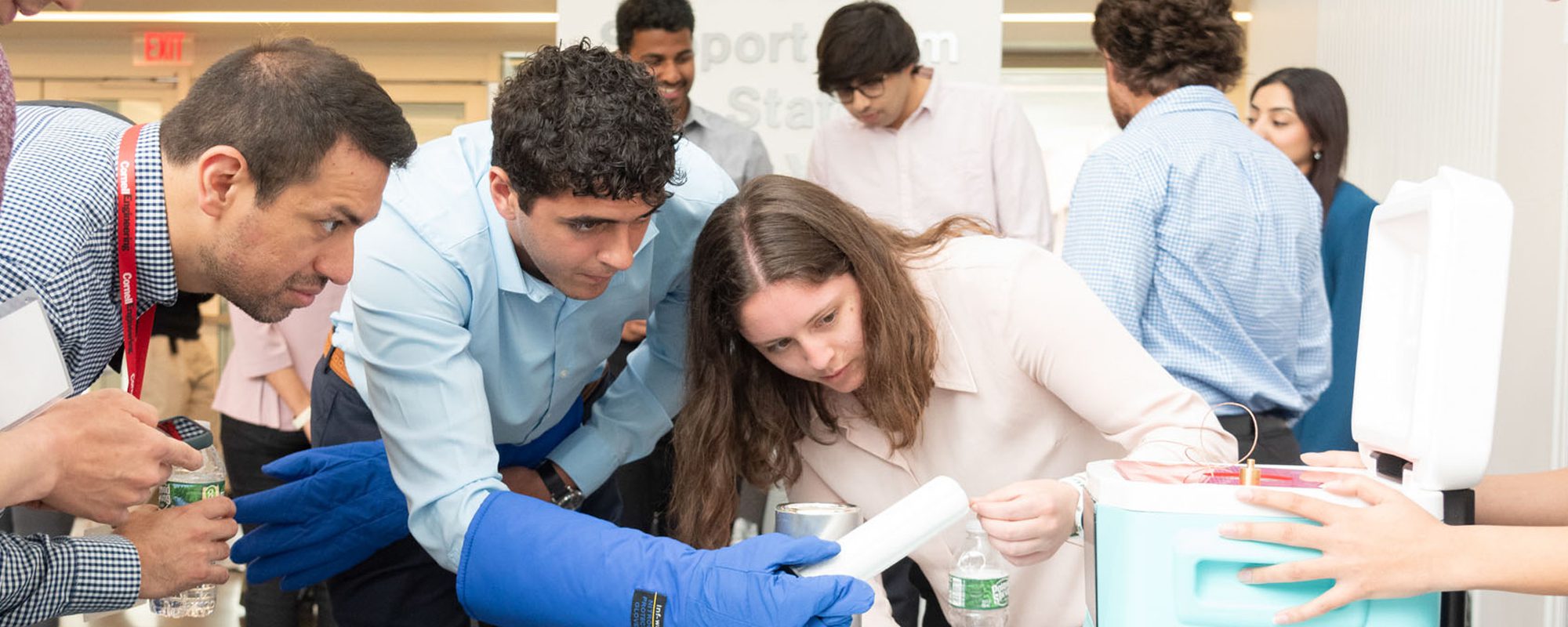
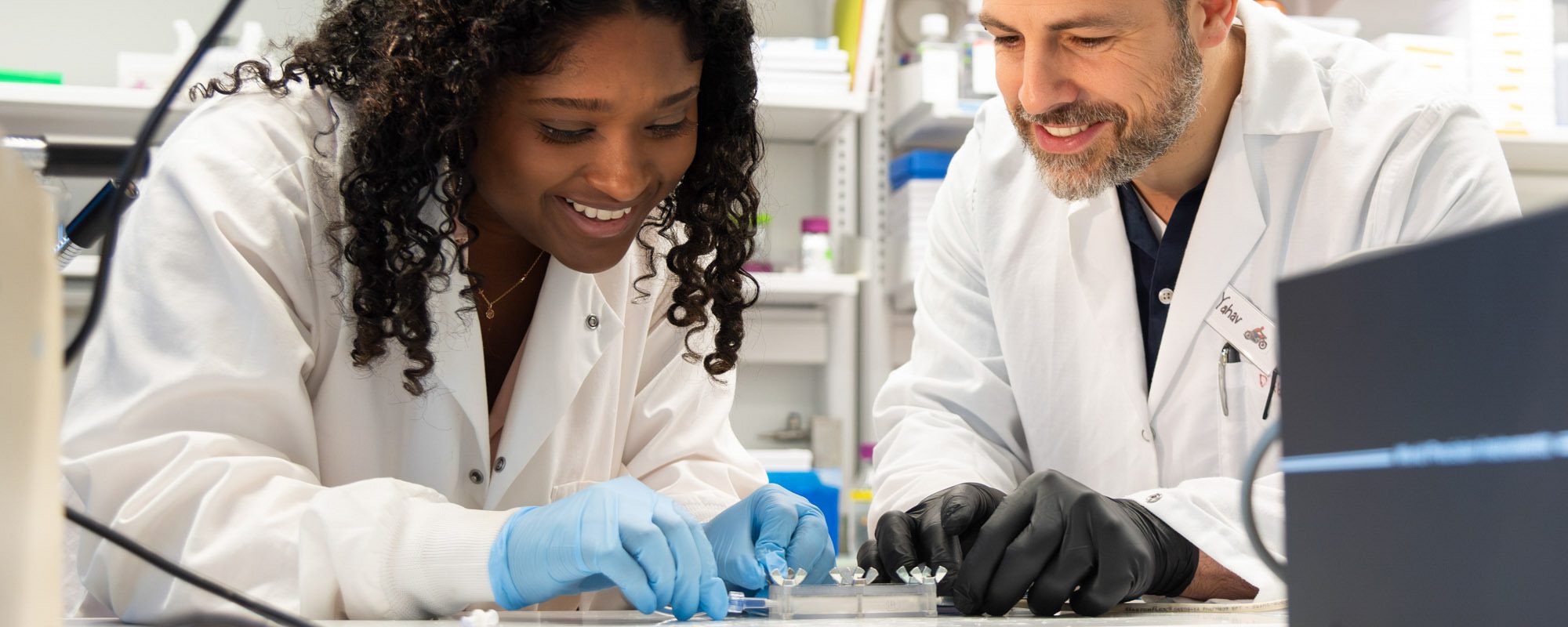

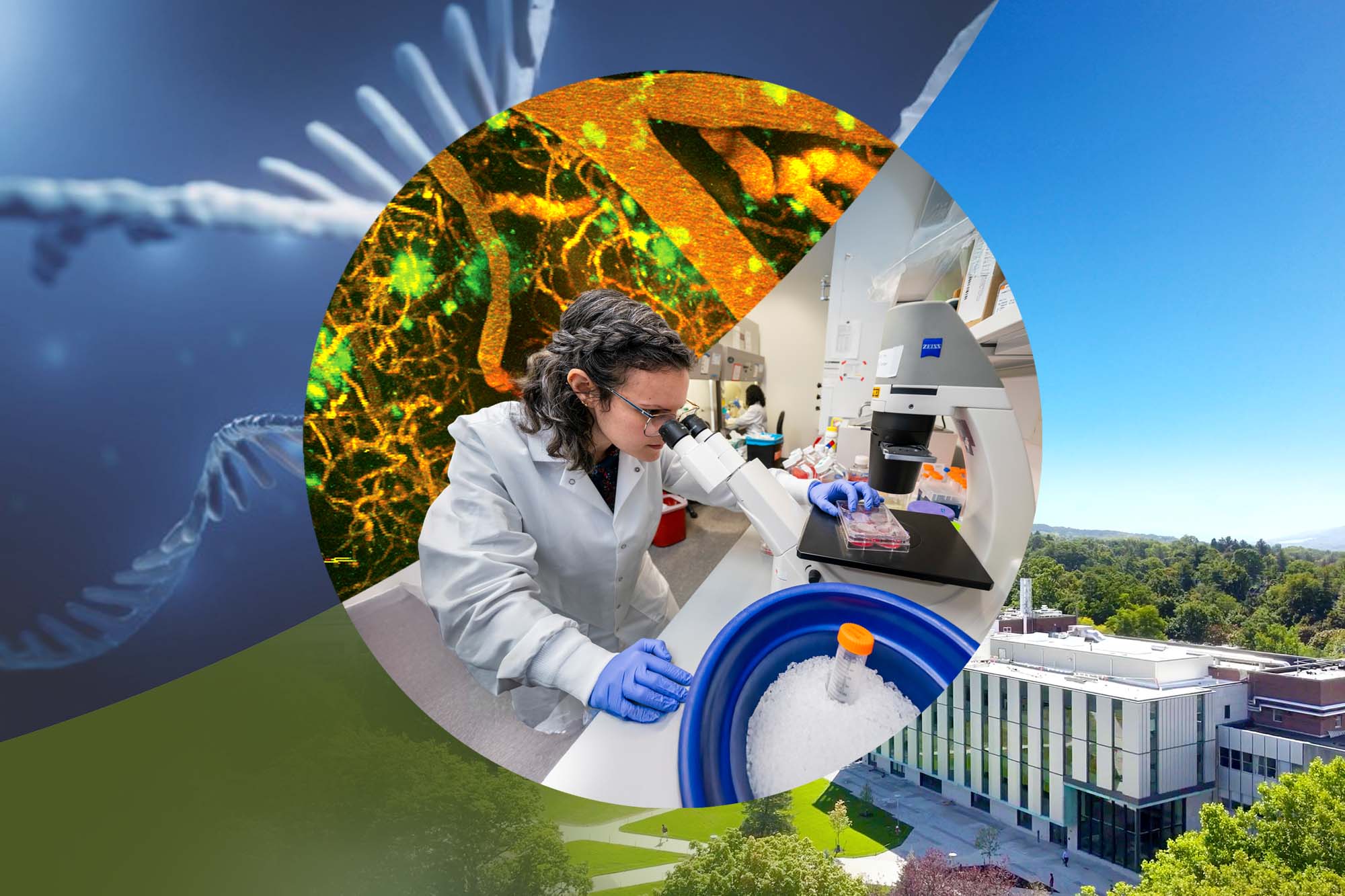
Strategic Research Areas
-
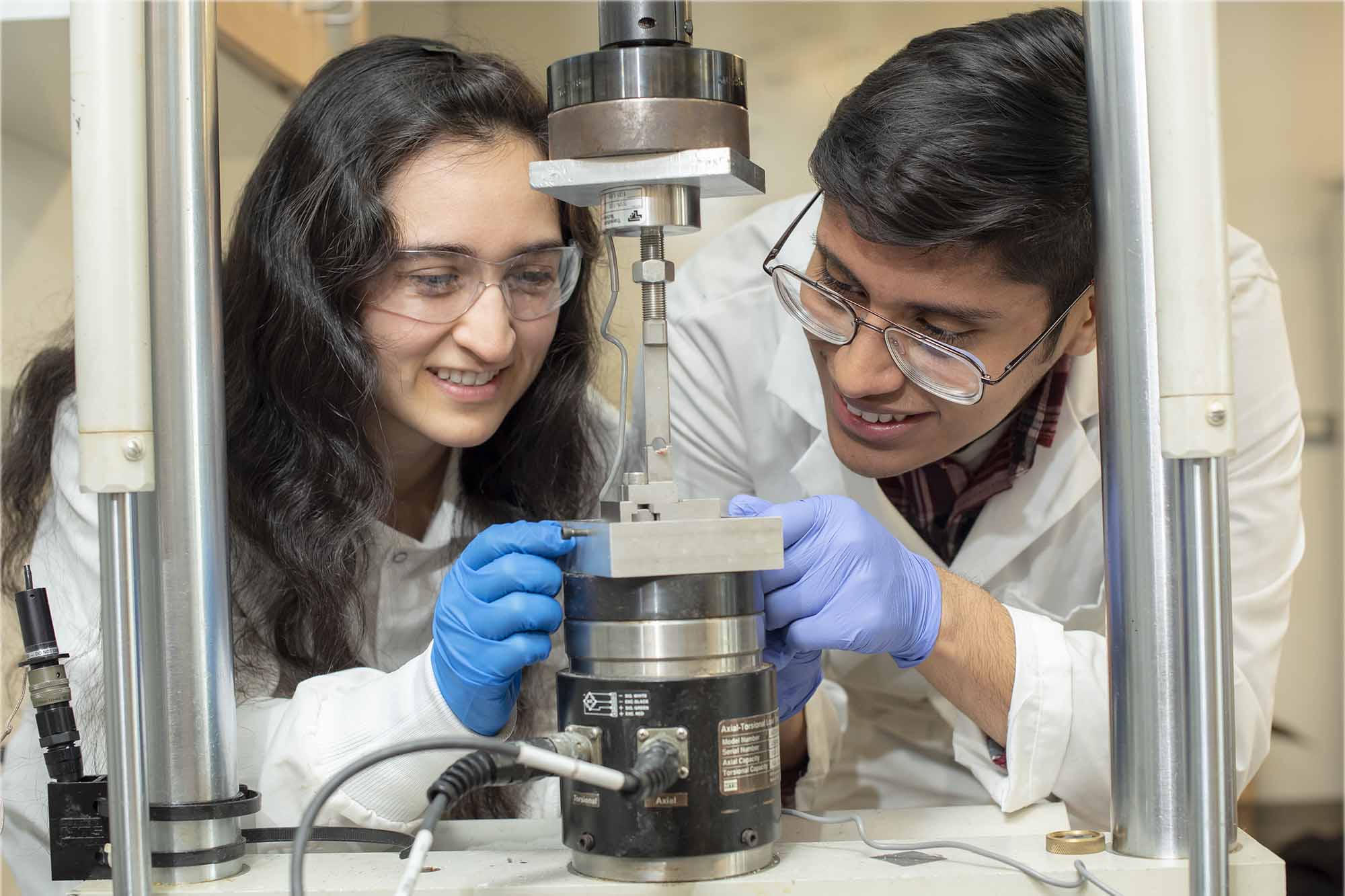
![Two students in white lab coats and protective goggles examine a piece of equipment in the biomechanics lab]()
Biomechanics and Mechanobiology
Investigating mechanical forces in physiological and disease processes.
-
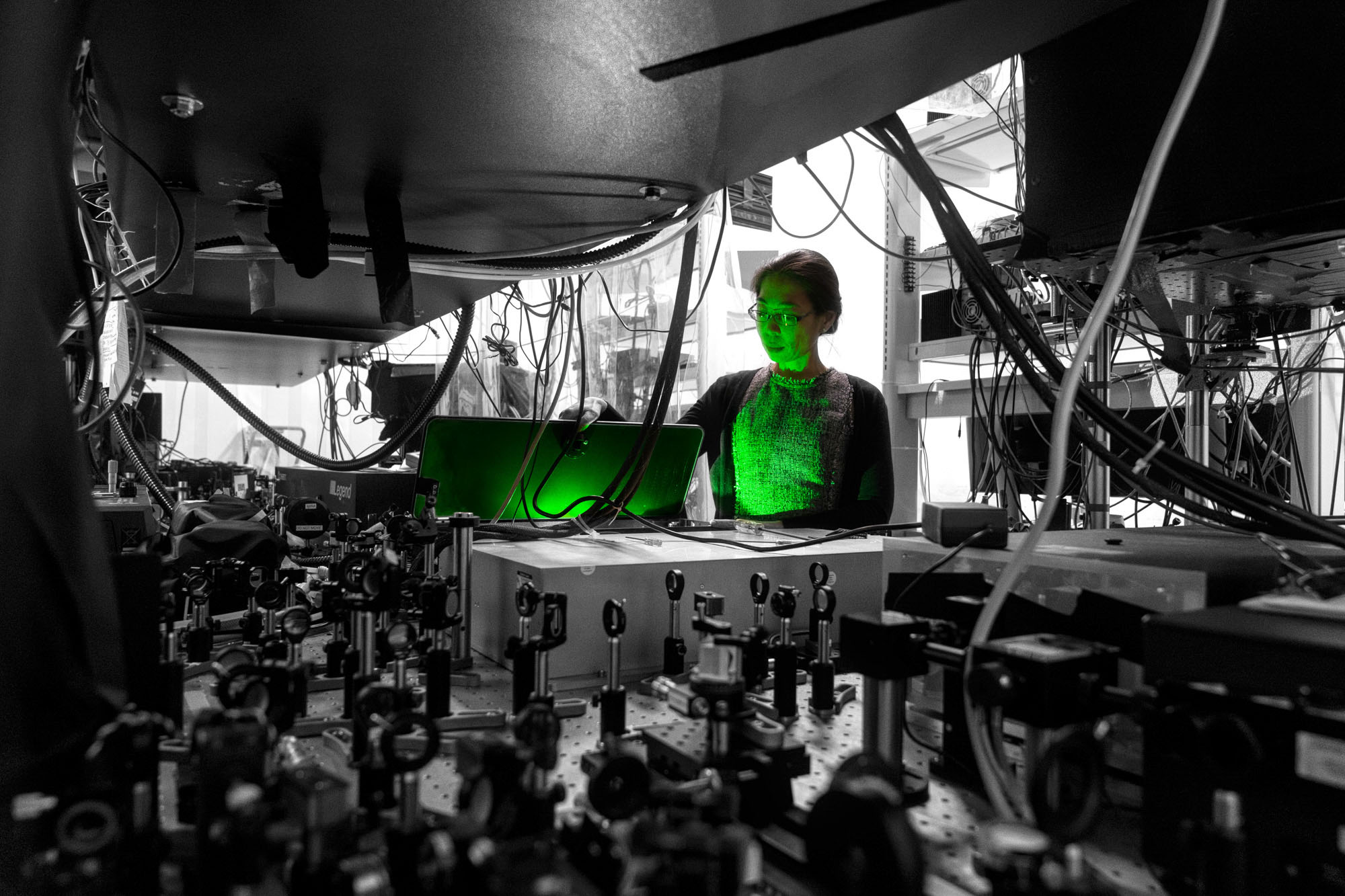
![Professor Nozomi Nishimura conducts an experiment as green light reflects off her in the Schaffer-Nishimura lab.]()
Biomedical Imaging and Instrumentation
Developing imaging technologies and instruments.
-
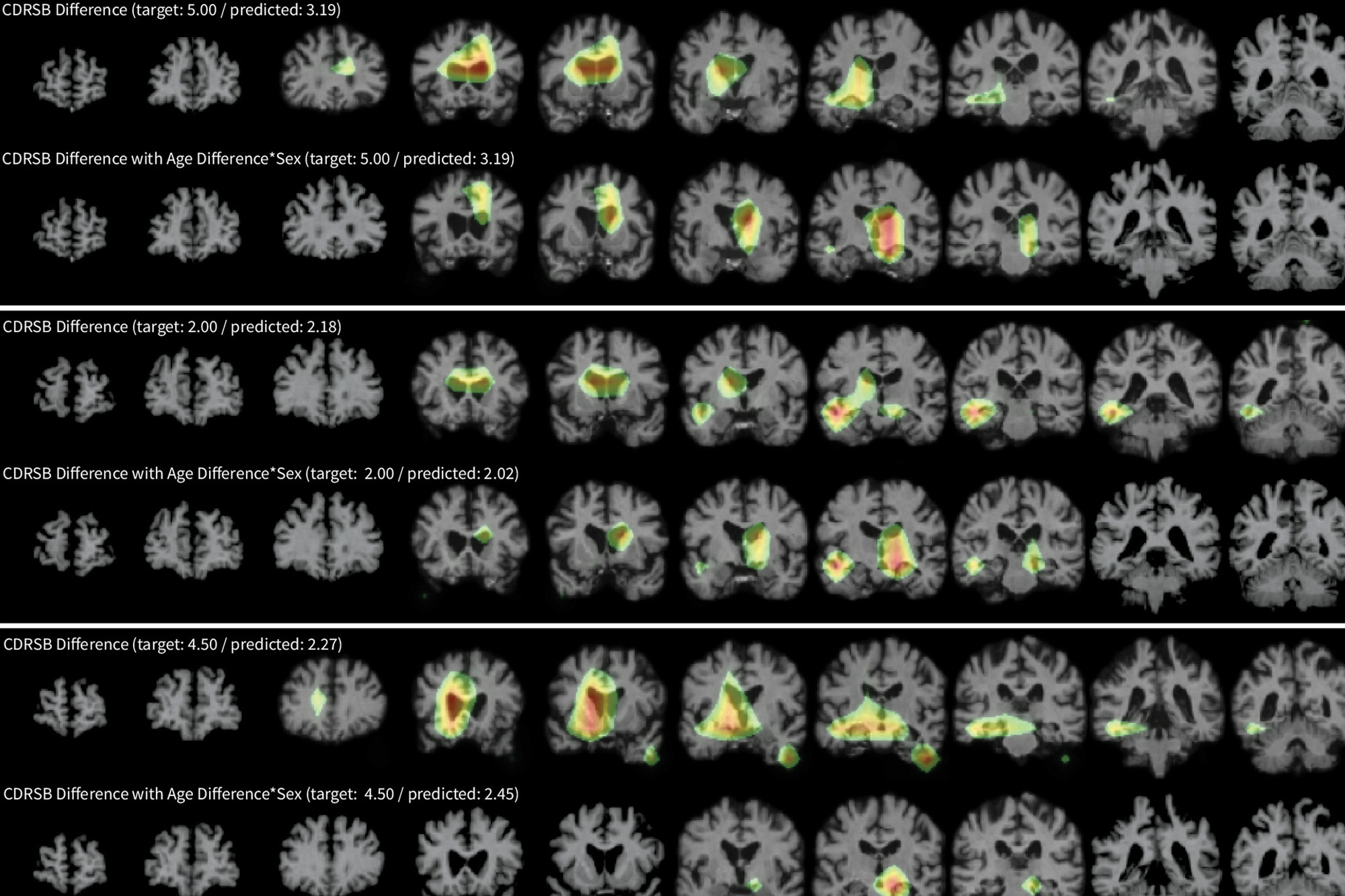
![clinical biomedical imaging brain scan images]()
Clinical Biomedical Imaging
Developing imaging technologies to improve patient care.
-
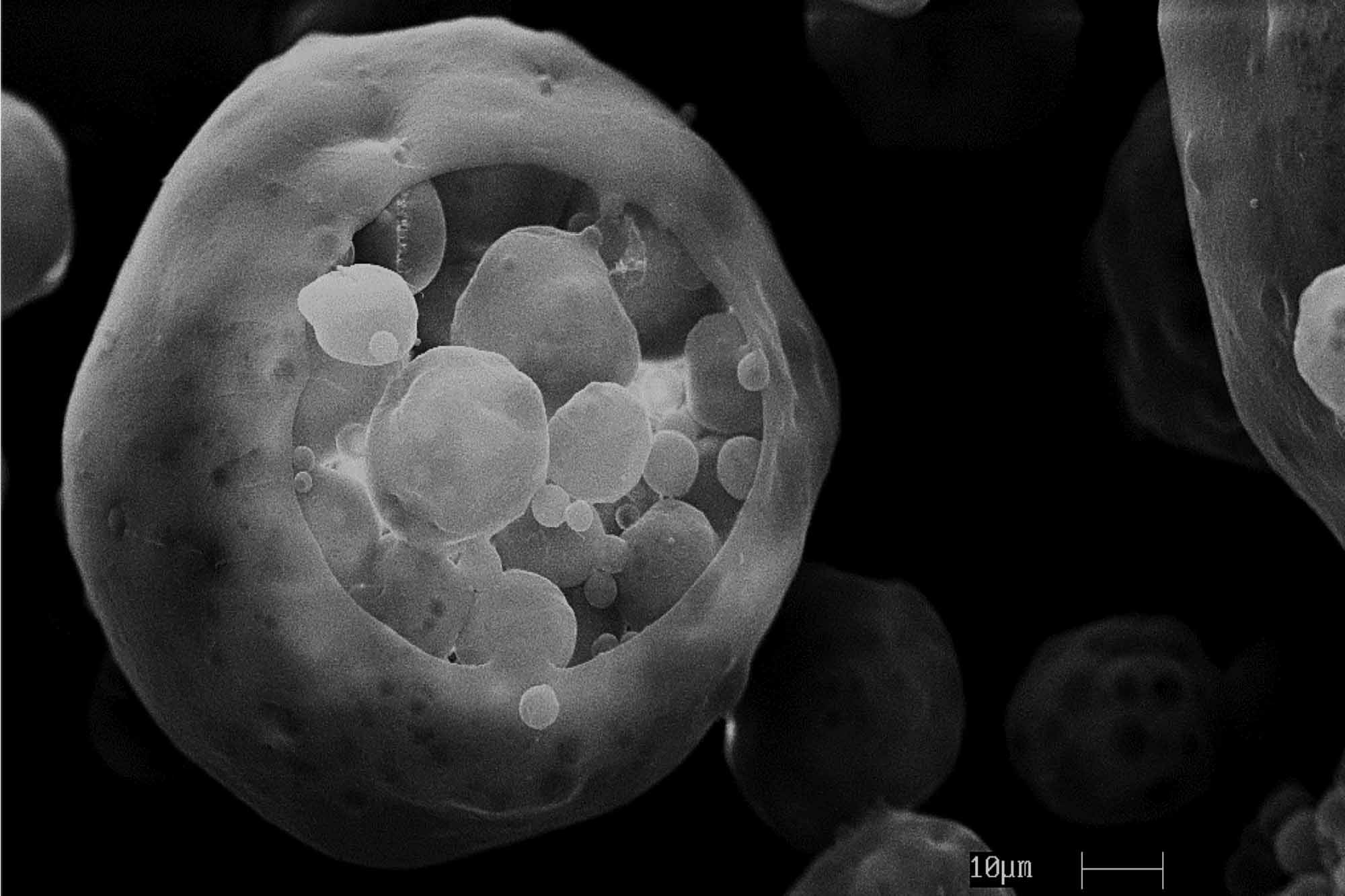
![scanning electron microscope of outer membrane vesicles used for drug delivery]()
Drug Delivery and Nanomedicine
Designing systems to deliver medicines and measure their effects.
-
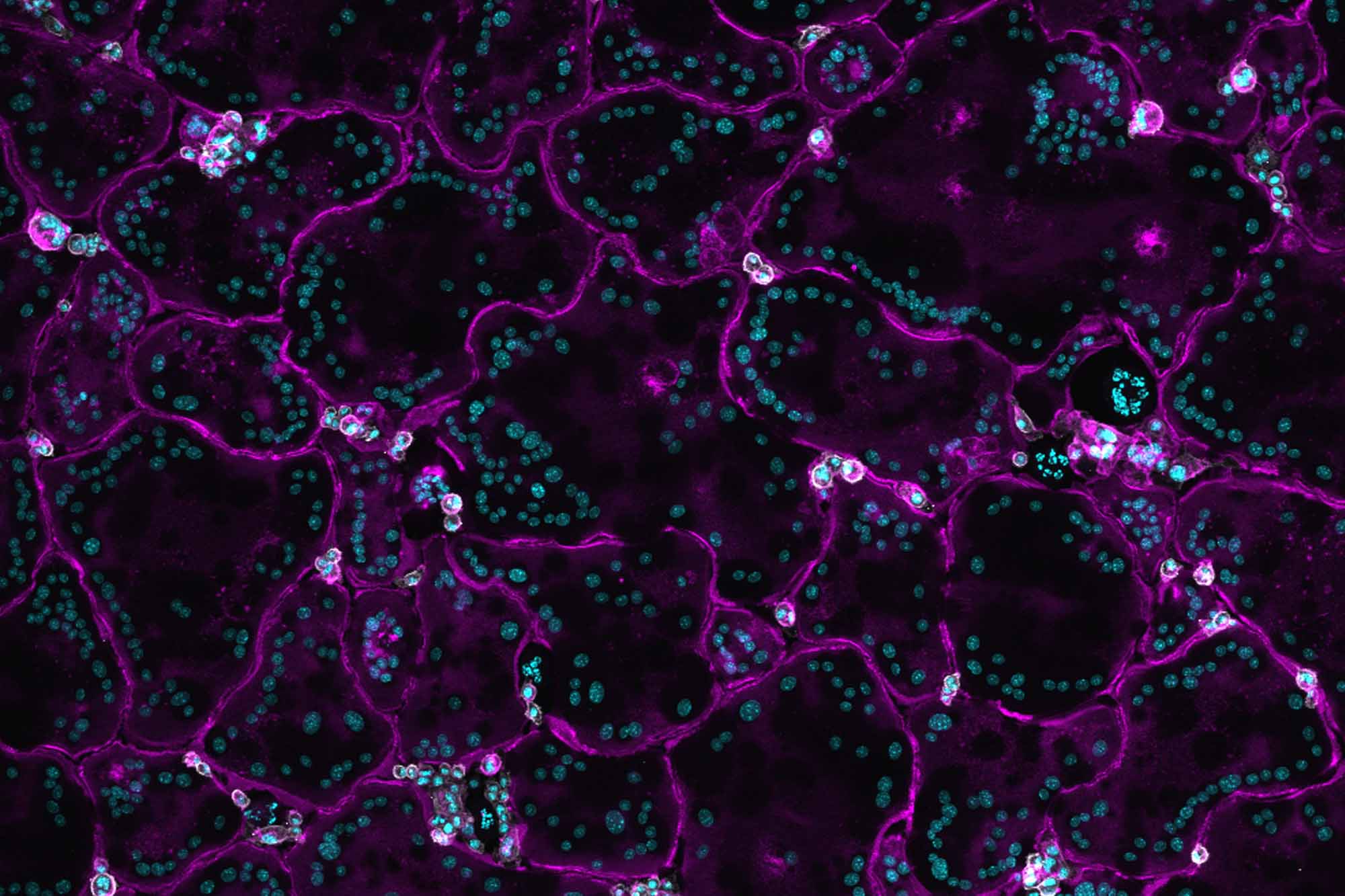
![Fischbach-primary osteoclasts on glass]()
Molecular and Cellular Engineering
Applying engineering to cell and molecular biology approaches to identify novel disease therapies.
-
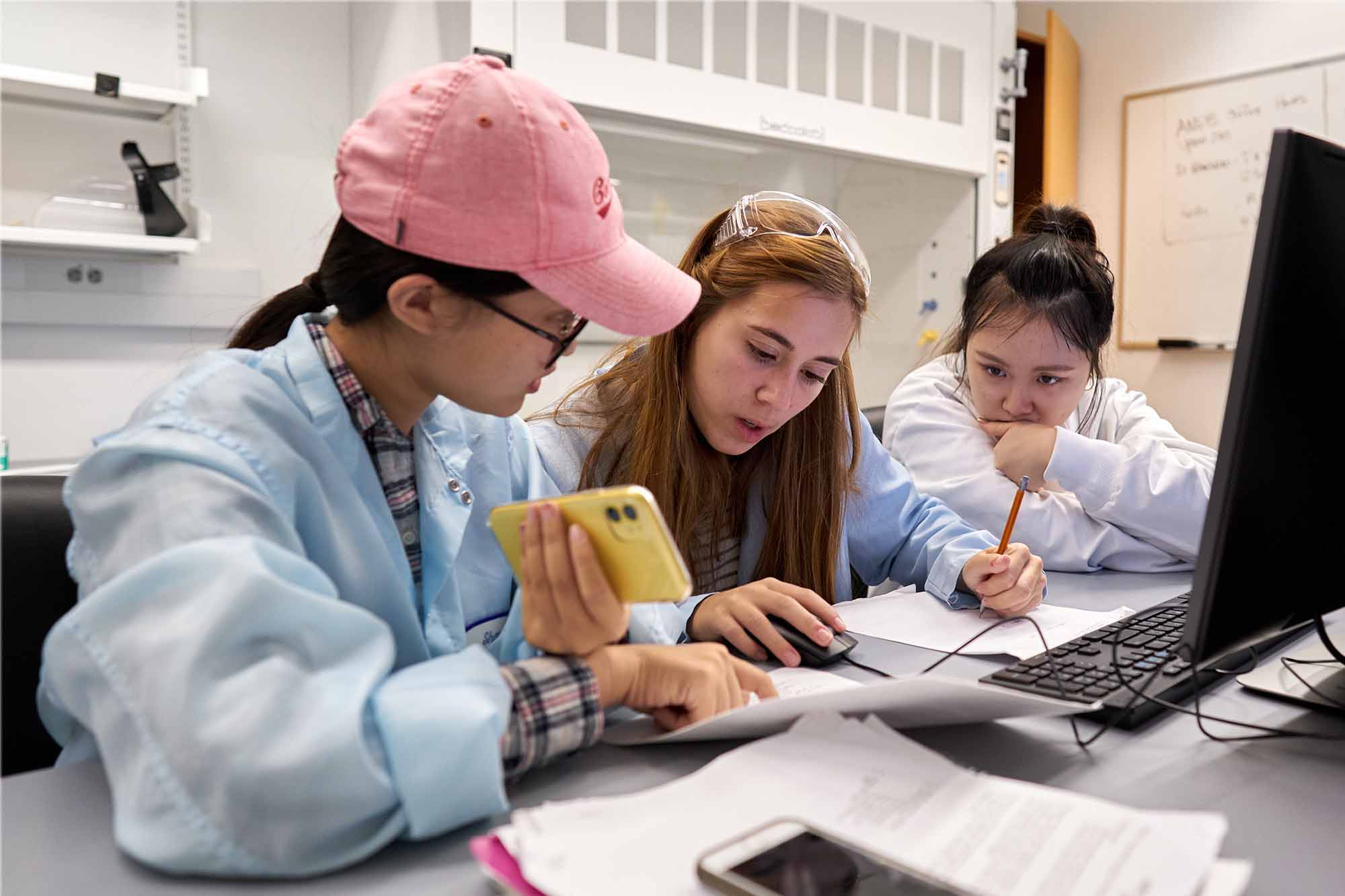
![Undergraduate students work together in lab with computers and calculators]()
Engineering Education Research
Studying education systems to define, inform and improve the education of engineers.
-
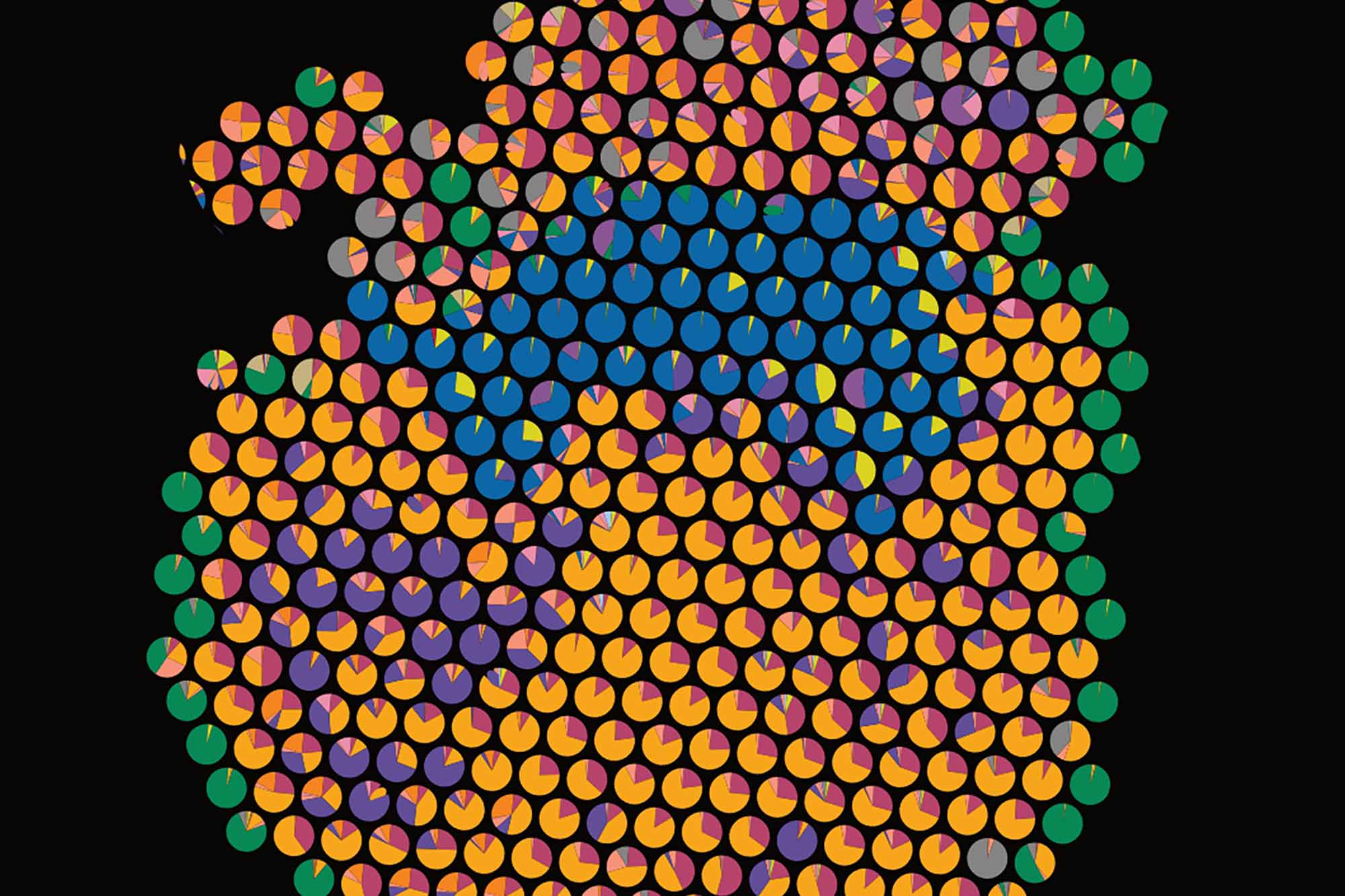
![Systems and Synthetic Biology imaging of human heart De Vlaminck Lab]()
Systems and Synthetic Biology
Integrating experimental, modeling, and engineering approaches to dissect complex cellular phenomena at the network-scale.
-
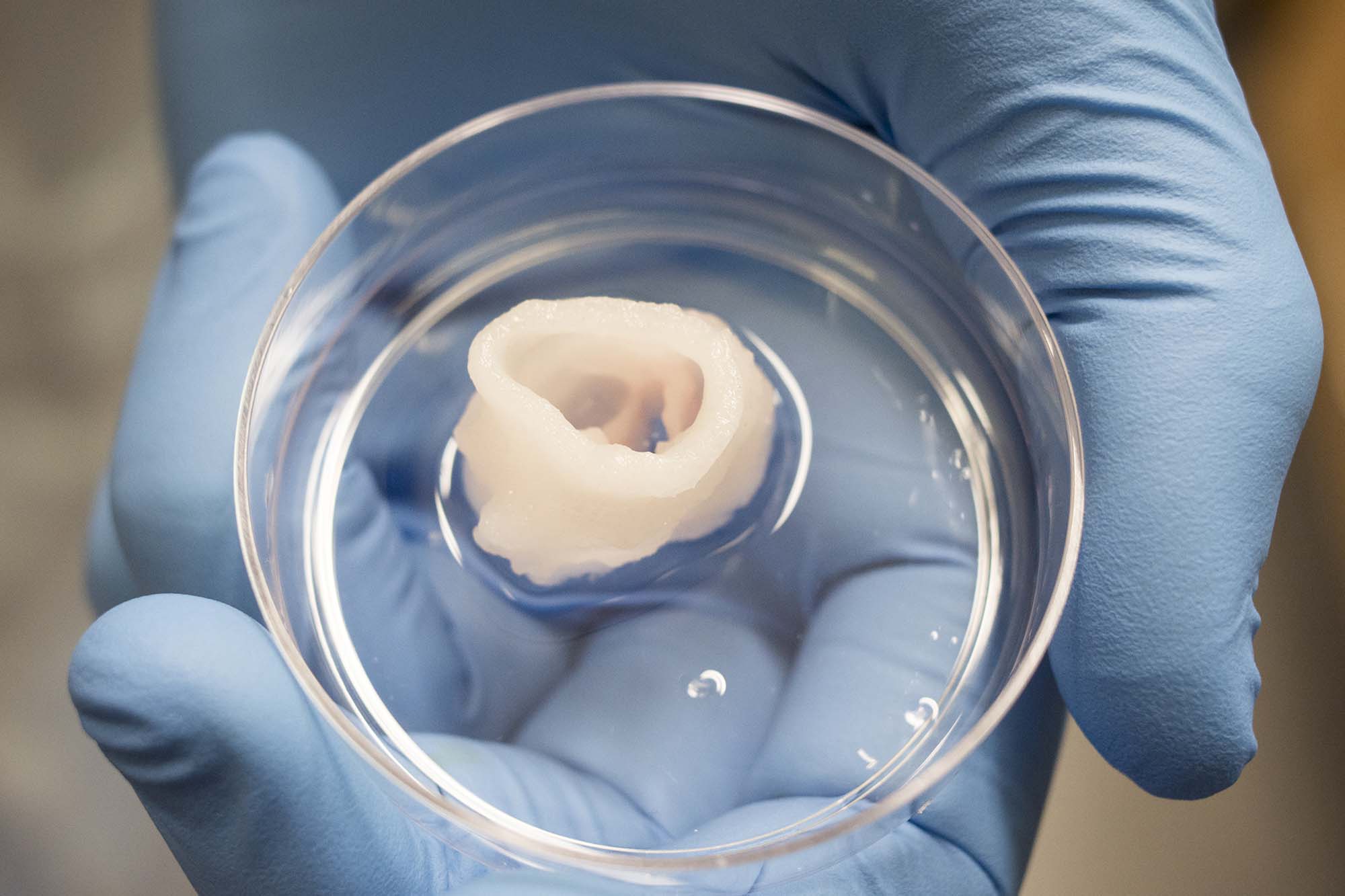
![3d printed heart valve in glass petri dish in gloved hand.]()
Tissue Engineering and Biomaterials
Developing strategies for tissue recreation and modeling systems for research or drug testing.
Upcoming Events
-
![]()
BME7900 Seminar: Johannes Paetzold (Weill Cornell Medicine)
Graphs and structure in training medical vision models Geometric concepts and structure are intuitive to humans but remain underused in neural network training; for example, we naturally understand t…
-
![]()
BME7900 Seminar: Antonio Fernandez-Ruiz (Cornell)
Novel neural interfaces for large-scale, long-term recordings and manipulation in behaving animals A central challenge in neuroscience is to understand how neuronal activity across brain areas generat…
-
![]()
Biomedical Engineering M.Eng. Virtual Info Session – Nov 5 7am
Register Online Learn more about Cornell University’s Master of Engineering in Biomedical Engineering program during a virtual information session hosted by Dr. Newton De Faria, Director of the …
-
![]()
Biomedical Engineering M.Eng. Virtual Info Session – Nov 5 4:30pm
Register Online Learn more about Cornell University’s Master of Engineering in Biomedical Engineering program during a virtual information session hosted by Dr. Newton De Faria, Director of the …


News Highlights
-
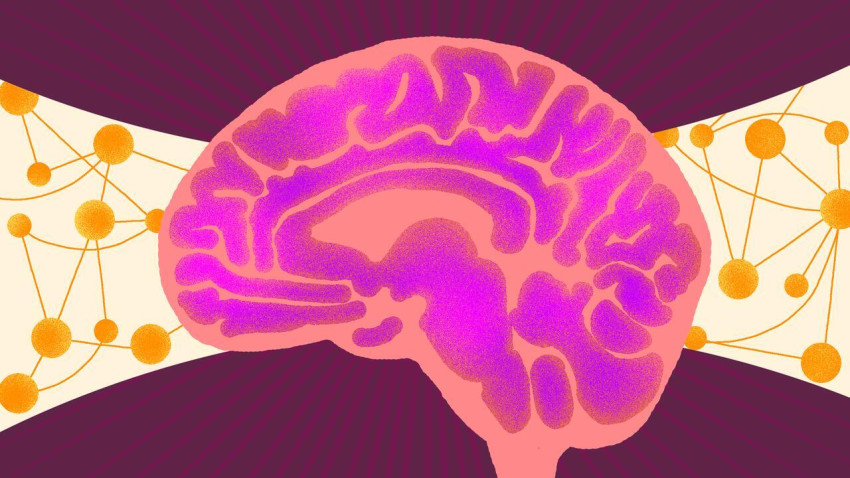
![Illustration of a brain in the color of pink surrounded by molecules]()
Deep connections drive psychedelic research
As psychedelic drugs gain more support from the medical community as a potential treatment for severe depression, Cornell researchers are making crucial discoveries that explain how compounds such as psilocybin work on the brain.
-
![]()
New course examines engineering challenges, opportunities in women’s health
A new Duffield Engineering biomedical engineering course will challenge students to investigate real-world failures in women’s health technologies and identify opportunities for better design.
-
![]()
Investment of up to $7.25M will advance Engineering Innovations in Medicine
The Cornell Duffield College of Engineering will accelerate its Engineering Innovations in Medicine initiative, which aims to revolutionize how biomedical data is acquired, computed, and translated into impact.
-
![]()
Duffield Engineering launches $25M education research institute
With funds from a record-setting naming gift from David A. Duffield ’62, MBA ’64, the Cornell Duffield College of Engineering will establish the $25 million Cornell David A. Duffield Engineering Education Research Institute.