Page Contents
- Major in Biomedical Engineering
- Eligibility and Academic Standards
- Experiential Learning Requirement
- Required Engineering Distributions
- Required Major Courses
- Biomedical Engineering Concentrations
- Biomedical Materials and Drug Delivery Concentration
- Biomedical Imaging and Instrumentation Concentration
- Biomedical Mechanics and Mechanobiology Concentration
- Molecular, Cellular, and Systems Engineering Concentration
Note: This page provides a general overview. For complete and accurate information, please refer to the Engineering Undergraduate Handbook and biomedical engineering major course flowchart and consult with your advisor. For current course offerings and information, refer to the Cornell University Registrar: Courses of Study.
Eligibility and Academic Standards
Affiliation Eligibility Requirements
You must have a minimum GPA of 2.4 in designated math, science, and engineering courses completed with grades of C- or higher. The designated courses for students applying by the end of the third semester (to be affiliated by the beginning of the fourth semester) are:
- BIOMG 1350
- MATH 1910
- MATH 1920
- MATH 2930
- PHYS 1112
- PHYS 1110
- PHYS 2213
- CHEM 2090
- ENGRD 2111
- CS 111X
- any ENGRI
The designated courses for students applying by the end of the fourth semester (to be affiliated by the beginning of the fifth semester) include the above courses plus the following additional courses:
- MATH 2940
- ENGRD 2020
- BME 2000
- BME 2010
For any course that is repeated, the higher of the two grades will be used for the affiliation GPA calculation.
Academic Standards
Good standing requirements for biomedical engineering:
- Minimum of 12 credits per semester completed with passing grades. No course with a grade lower than C- may be used to satisfy a prerequisite for a subsequent biomedical engineering course.
- Semester GPA > 2.3
- Cumulative GPA > 2.1
- All grades must be C- or higher in all core and concentration courses to remain in good standing. Only one course below a C- within major required courses is allowed for graduation.
- No failing grade
Experiential Learning
Biomedical engineering has a unique experiential learning course recommended to take during spring of your sophomore year. We also encourage you to seek experiential learning opportunities outside the classroom.
Required Engineering Distributions
ENGRD 2020 is required by the Major. It is recommended to use it also to fulfill the second ENGRD requirement as part of the Common Curriculum. The course is best taken during semester 3 and must be completed before semester 5. If taken as second ENGRD, then total required credits drop to only 126 rather than 130.
-
ENGRD 2111
Biomolecular Thermodynamics
-
ENGRD 2020
Statics and Mechanics of Solids
Required Major Courses
-
BIOMG 1350
Introductory Biology: Cell and Developmental Biology
Note: A score of 5 of the CEEB AP Biology exam may substitute for BIOMG 1350.
-
BME 2010
Physiology of Human Health and Disease
-
BME 2000
Biomedical Transport Phenomena
-
BME 2210
Biomedical Applications of Materials
-
BME 3010
Cellular Principles of Biomedical Engineering
-
BME 3020
Molecular Principles of Biomedical Engineering
-
BME 3030
Biomedical Circuits, Signals, and Systems
-
BME 4010
Biomedical Engineering Analysis of Metabolic and Structural Systems
-
BME 4020
Electrical and Chemical Physiology
-
BME 4080/4090
Biomedical Engineering Design Laboratory
-
STSCI 2200, STSCI 2150, or ENGRD 2700
Statistics I
Biomedical Engineering Concentrations
Students will choose one of the following biomedical engineering concentrations within their junior year. The requirements for each concentration are described below.
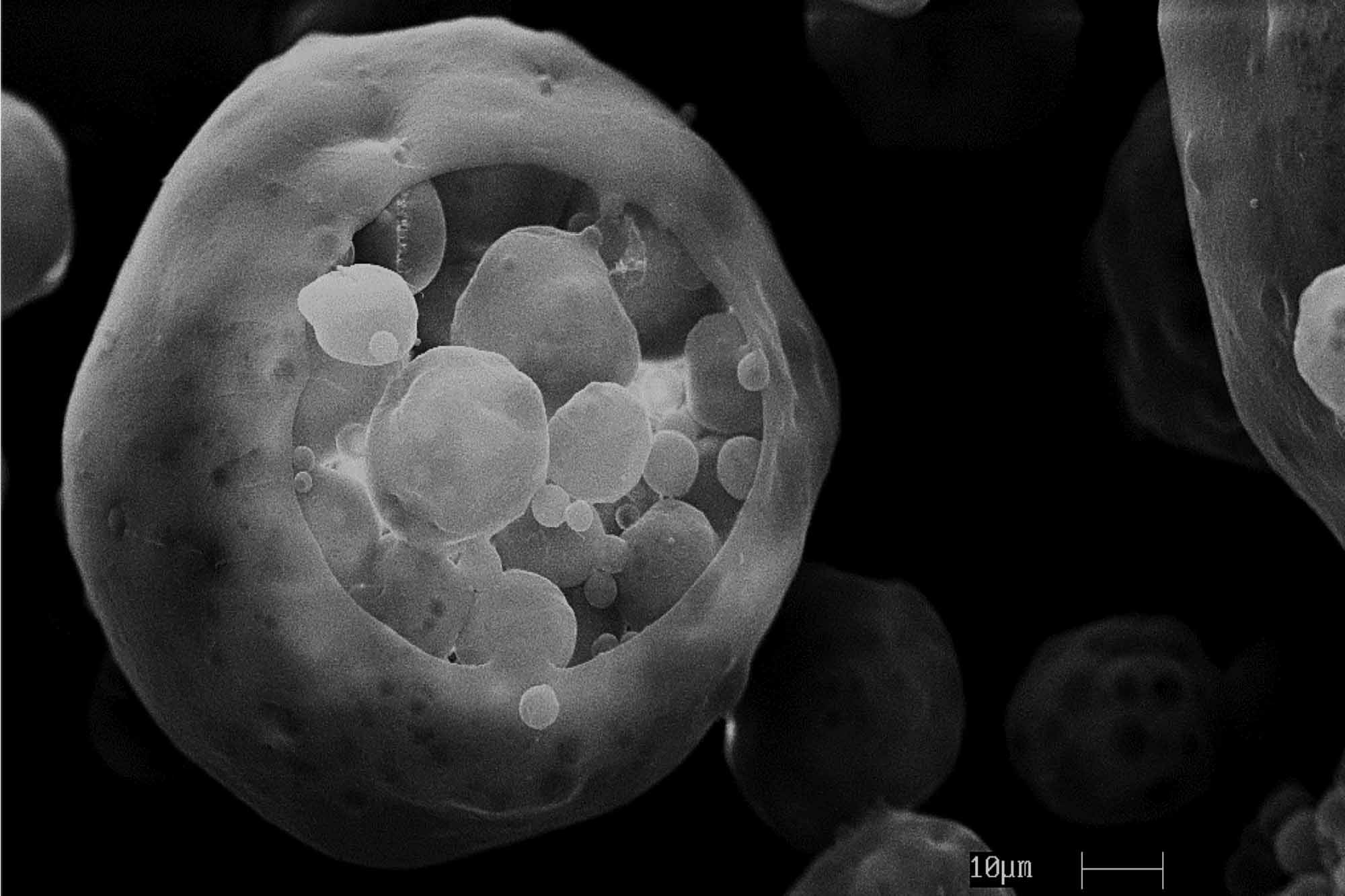
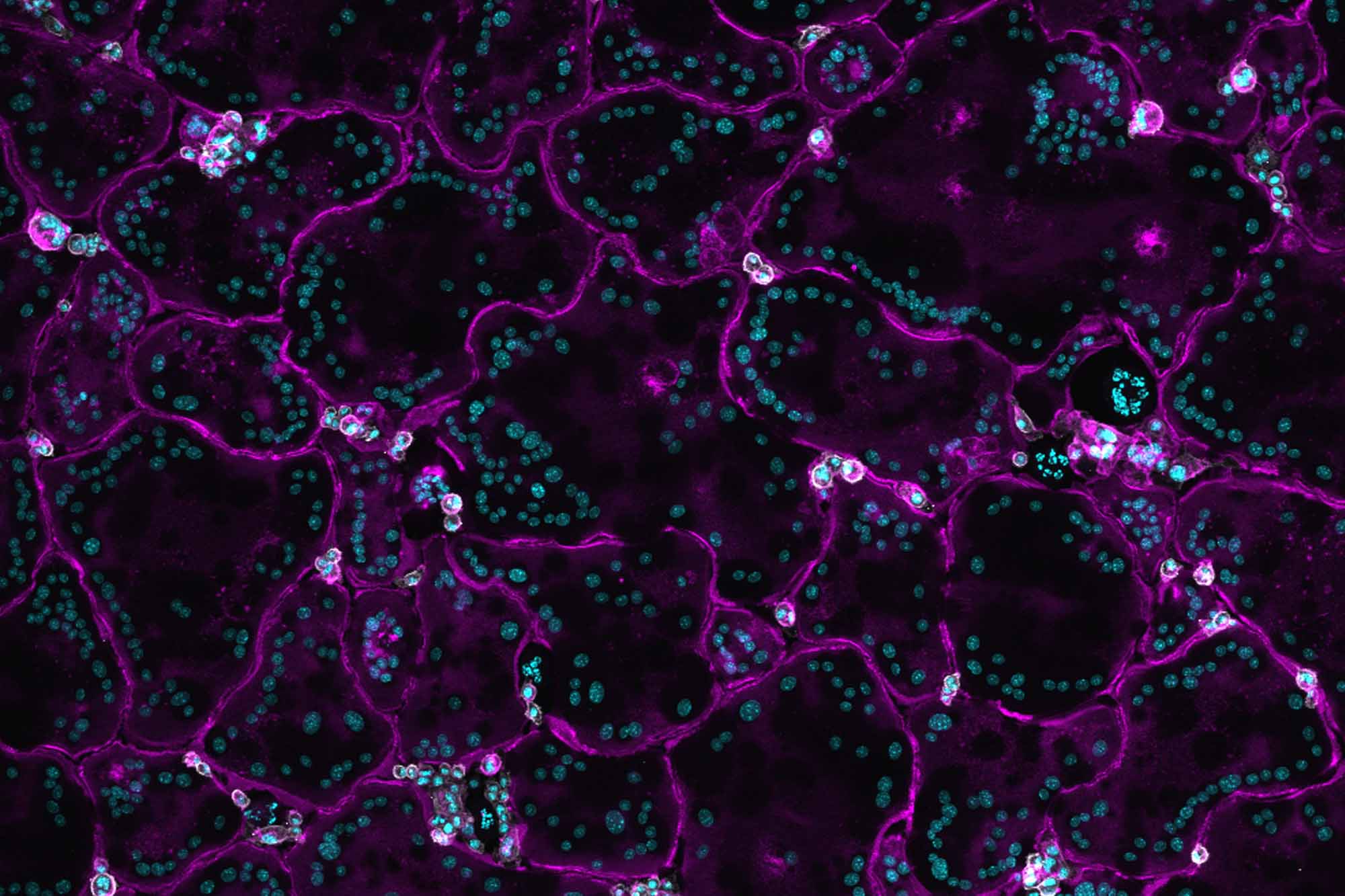
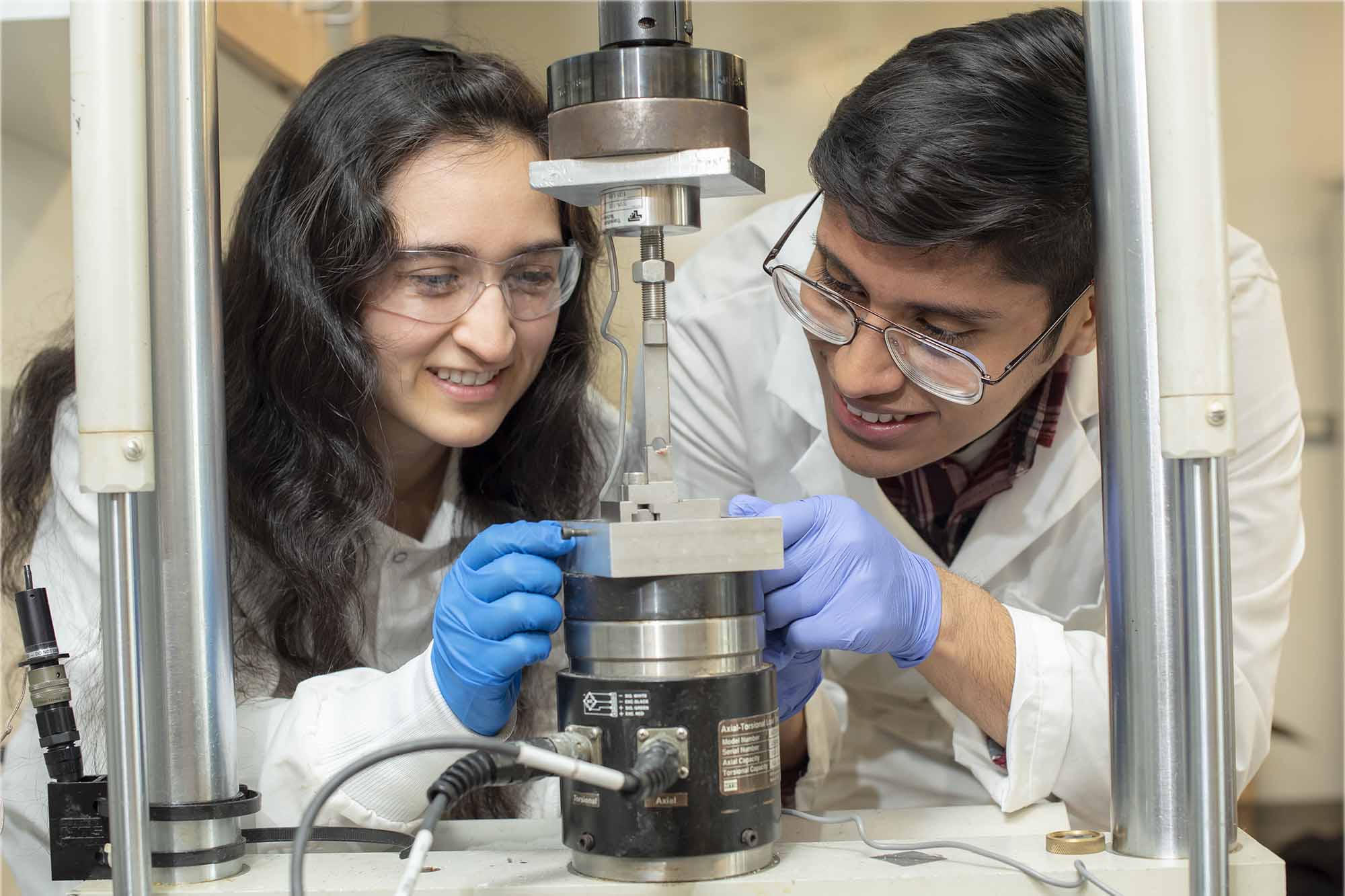
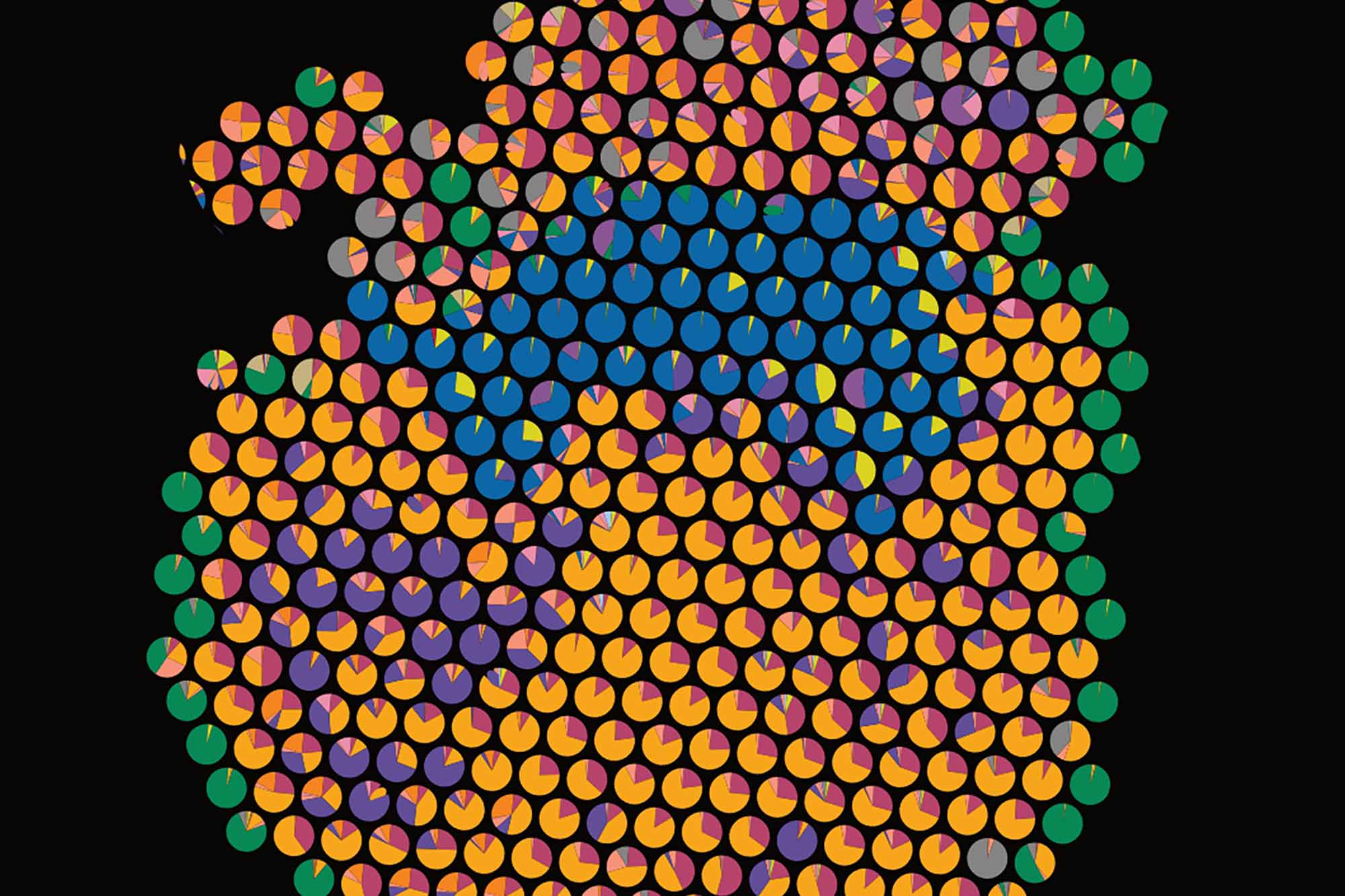
Biomaterials and Drug Delivery Concentration
Students in the Biomaterials and Drug Delivery concentration enhance their understanding of how engineered materials interact with host biology, which includes both the material remodeling and human biological responses. Biomaterials have evolved substantially from mere biocompatibility to enabling multifaceted control over local biological responses and tissue remodeling. These students will train in depth on the science and technology underlying fabrication of different material classes, including synthetic and biologically based. These students will engineer and modify new materials to control host responses, including wound healing, immune response, and biomechanical remodeling. Students in this concentration also study the engineering of living tissue replacements with an emphasis on recapitulating multi-scale biological phenomena. Some students also engineer new delivery mechanisms within biomaterials for efficient drug release.
Note: As a part of the Engineering Common Curriculum, all students take an additional math or science course designated by the major. In biomedical engineering, your choice is determined by the concentration you select. For this concentration, the science course is CHEM 1570.
Required Courses
-
BME 3210
Multiscale Biomaterial Analysis
-
BME 4190 or BME 4490
MCSE Practicum Laboratory, or BMMB Practicum Laboratory
-
CHEM 1570
Introduction to Organic and Biological Chemistry
Electives
Six credits of elective courses should be chosen from this list.
-
BEE 3400
Design and Analysis of Biomaterials
-
BIOAP/BIOMS 4140
Principles of Pharmacology
-
BME/MSE 5620
Biomineralization: The Formation and Properties of Inorganic Biomaterials
-
BME 5750
Biomaterials and Drug Delivery in the Immune System
-
BME 5760
Engineering the Human Body: From Artificial Joints to Living Organs
-
BME 5810/MAE 5680
Soft Tissue Biomechanics
or BME/MAE 4640 Orthopaedic Tissue Mechanics
or MSE 4020 Mechanical Properties of Materials, Processing, and Design
or MAE 6670Soft Tissue Biomechanics II: Viscoelasticity and Phasic Theory -
BME 5830
Cell-Biomaterials Interactions
-
BME 5850
Current Practice in Tissue Engineering
-
BME 6210/CHEME 6310
Engineering Principles for Drug Delivery
-
CHEME 5430
Bioprocess Engineering
-
MAE 4670
Polymer Mechanics
-
MSE 4610
Biomedical Materials and Their Applications
-
MSE 5210
Properties of Solid Polymers
Biomedical Imaging and Instrumentation Concentration
Much of the information that is gained about human health and disease comes from images. Generating images, converting them into quantitative data, and analyzing large image datasets is a major focus of students that concentrate in Biomedical Imaging and Instrumentation. Cornell has world class imaging expertise, including optical, X-ray, ultrasound and MRI technologies. These students will develop the skills and knowledge necessary to design new instrumentation components for acquiring and recording biological and physiological data, as well as using instrumentation to manipulate biological processes in vivo. They will also design algorithms for processing and analyzing data to identify emergent features and predict clinical performance.
Note: As a part of the Engineering Common Curriculum, all students take an additional math or science course designated by the major. In biomedical engineering, your choice is determined by the concentration you select. For this concentration, the science course is PHYS 2214.
Required Courses
-
BME 3310
Medical and Preclinical Imaging
-
BME 4390
Electronics for Biomedical Engineers
-
PHYS 2214
Physics III: Oscillations, Waves, and Quantum Physics
Electives
Six credits of elective courses should be chosen from this list.
-
AEP 4400
Nonlinear and Quantum Optics
-
BIONB 4320
Neural Circuits for Motor Control in Health and Disease
-
BME 3320
Engineered Medical Devices
-
BIONB/BME/ECE 4910
Principles of Neurophysiology
-
BME/BIONB/PSYCH/COGST 3300
Introduction to Computational Neuroscience
-
BME 6330
Optical Tools for Studying Living Systems
-
BME 6260
Optical Microscopy and Fluorescence Methods for Research
-
BME 6320
Modern Biomedical Microscopy
-
BME 6350
Introduction to Neurotechnology
-
CS 3110
Data Structures and Functional Programming
-
CS 3780/5780
Introduction to Machine Learning or ECE 3200 Foundations Machine Learning or INFO 3950 Data Analytics for Information Science
-
ECE 3100
Introduction to Probability and Inference for Random Signals and Systems
-
ECE 3140/CS 3420
Embedded Systems or ECE 5725 Design with Embedded Operating Systems
-
ECE 3250
Signals and Systems
-
ECE 4250
Digital Signal Processing and Statistical Inference
-
ECE 4300
Lasers and Optoelectronics
-
ECE/MAE 4320
Integrated Micro Sensors and Actuators: Bridging the Physical and Digital Worlds
-
ECE 4370
Photonics: Fundamentals and Devices
-
ECE 4760
Digital Systems Design Using Microcontrollers
-
ECE 5470
Computer Vision or CS 4670 Introduction to Computer Vision
-
ECE 6690/BME 5780
Computer Analysis of Biomed Images
-
HD 4630
Introduction to Functional MRI Analysis for Human Neuroimaging
-
PHYS 3316
Basics of Quantum Mechanics
-
BME 6180
Principles of Magnetic Resonance Imaging
Biomedical Mechanics and Mechanobiology Concentration
Every tissue and cell in the body experiences mechanical forces as a major component of its formation, function, and/or disease pathogenesis. Mechanical forces occur at the molecular level, from cell adhesion receptors to tiny cilia on the surfaces of cells, to whole organ level behaviors such as the pumping of the heart and bending of the bones.
Students concentrating in Biomedical Mechanics and Mechanobiology will possess a comprehensive understanding of the multi-scale mechanical interactions that occur during tissue development, homeostasis and disease. They will fabricate devices that can measure and apply forces at these biological scales, from nanometers to centimeters, nanonewtons to kilonewtons. They will also design bioreactor environments and implantable technology to utilize mechanical forces to alter tissue or organ level behavior through manipulation of these mechanically sensitive signaling pathways.
Note: As a part of the Engineering Common Curriculum, all students take an additional math or science course designated by the major. In biomedical engineering, your choice of a fourth science is determined by the concentration you select. For this concentration, the fourth science course is PHYS 2214 or CHEM 1570.
Required Courses
-
BME 3410
Systems Mechanobiology
-
BME 4490
Biomechanics Laboratory
-
PHYS 2214 or CHEM 1570
Physics III: Oscillations, Waves, and Quantum Physics, or Introduction to Organic and Biological Chemistry
Electives
Six credits of elective courses should be chosen from this list.
-
BEE 3310
Bio-Fluid Mechanics or BME 4410 Biofluid Mechanics or MAE 4650 Biofluid Mechanics
-
BEE 3500
Heat and Mass Transfer in Biological Engineering or MAE 3240 Heat Transfer
-
BEE/MAE 4530
Computer-Aided Engineering: Applications to Biological Processes
-
BME/MAE 4640
Orthopaedic Tissue Mechanics
-
BME 5810/MAE 5680
Soft Tissue Biomechanics
-
BME 6410
Cell and Molecular Mechanobiology
-
MAE 3230
Introductory Fluid Mechanics
-
MAE 3783
Mechatronics
-
MAE 4670
Polymer Mechanics
-
MAE 4700
Finite Element Analysis for Mechanical and Aerospace Design
-
MAE 6670
Soft Tissue Biomechanics II: Viscoelasticity and Phasic Theory
-
MSE 4020/MAE 3120
Mechanical Properties of Materials, Processing, and Design
-
MAE 4240/MSE 4510
Materials Processing and Manufacturing
-
BME/MAE/MSE 6650
Principles of Tissue Engineering
Molecular, Cellular, and Systems Engineering Concentration
Students focusing on molecular, cellular, and systems engineering enhance their understanding on how molecular and cellular coordination control tissue homeostasis and pathogenesis, with an emphasis of quantifying and controlling interactions that occur across length and time scales. These students will train in depth on the molecular and genetic technologies used to control cell behaviors within living systems, as well as delivery strategies to enhance and target local responses. They are also keen to use computational and experimental strategies to understand and predict system and population-based network interactions.
Many of these students will utilize the world leading nano/microfabrication facilities at Cornell. They engineer advanced in vitro culture platforms and test beds used for quantitative analysis of complex biological processes and screening strategies to alter them.
Note: As a part of the Engineering Common Curriculum, all students take an additional math or science course designated by the major. In biomedical engineering, your choice is determined by the concentration you select. For this concentration, the science course is CHEM 1570.
Required Courses
-
BME 3110
Cellular Systems Biology
-
BME 4190
Laboratory Techniques for Molecular, Cellular, and Systems Engineering
-
CHEM 1570
Introduction to Organic and Biological Chemistry b
Electives
Six credits of elective courses should be chosen from this list.
-
BIOAP/ANSC 4270
Endocrinology: Biology of Hormones
-
BIOCB 4381
Biomedical Data Mining and Modeling
-
BIOCB 4830
Quantitative Genomics and Genetics
-
BIOCB 4840/CS 4775
Computational Genetics and Genomics
-
BIOMG 4380
RNA in Biology and Medicine
-
BIOMG 4390
Molecular Basis of Disease
-
BIOMS/BIOMI 4090
Principles of Virology
-
BIONB/BME 4910/5320/BIONB 5910/ECE 5090
Principles of Neurophysiology
-
BIONB 3950
Molecular and Genetic Approaches to Neuroscience
-
BME 4790
Modern Applications of Machine Learning and Artificial Intelligence for Biomedical Applications
-
BME 5110
Stem Cell Bioengineering
-
BME 5830
Cell-Biomaterials Interactions
-
BME 5850
Current Practice in Tissue Engineering
-
BME 6410
Cell and Molecular Mechanobiology
-
CHEM 4810
Computational Methods in Chemistry
-
CHEME 5430
Bioprocess Engineering
-
CS 3780
Introduction to Machine Learning or ECE 3200 Foundations Machine Learning or ECE 4200 Fundamentals of Machine Learning or INFO 3950Data Analytics for Information Science
-
One 3xxx/4xxx course from another BME concentration