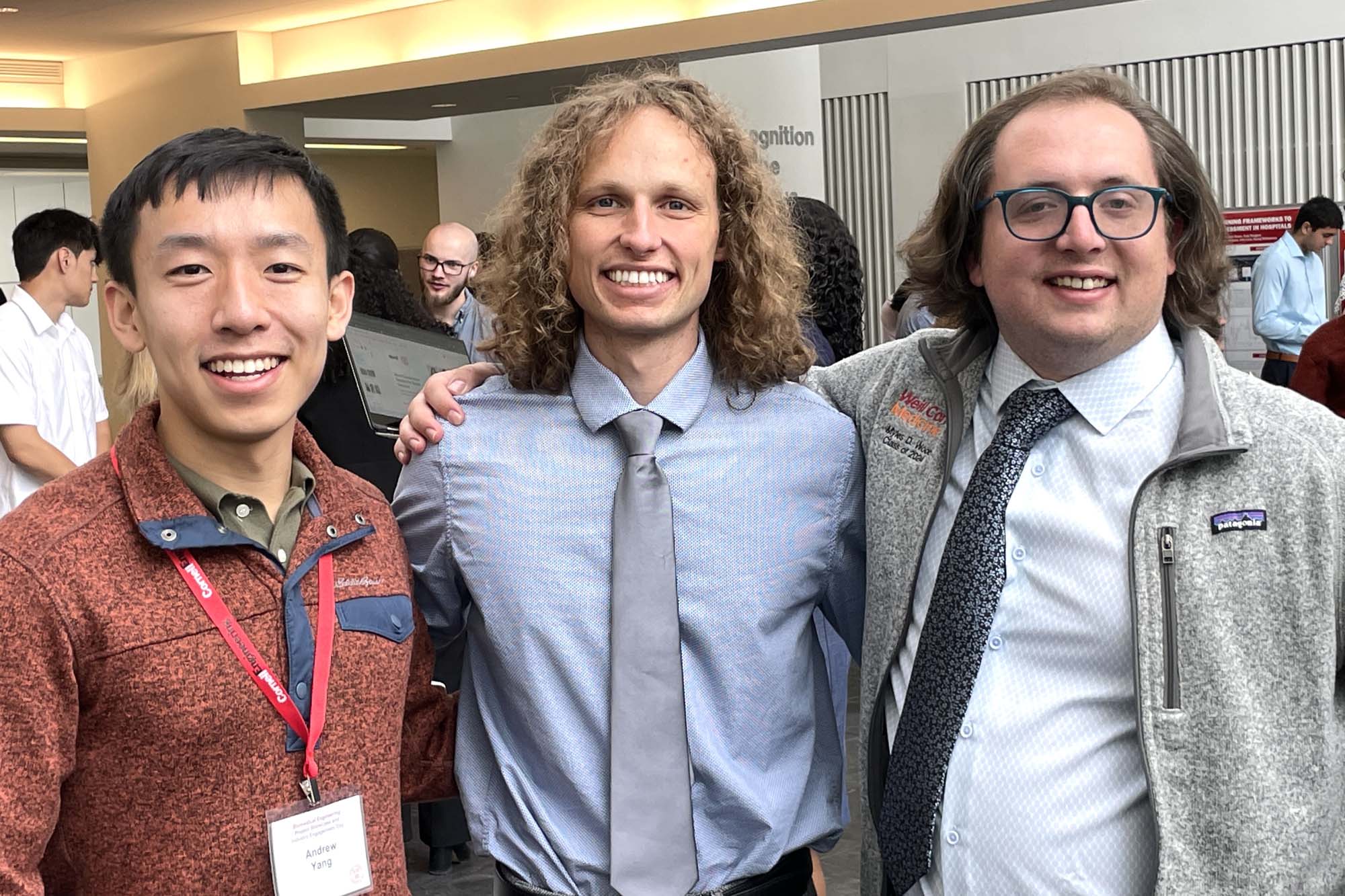
From Clinical Observation to Practical Solutions in One Year
Clinical training regularly exposes gaps in care delivery, technology, and systems. The M.D.–M.Eng. dual degree administered by Cornell Duffield Engineering and Weill Cornell Medicine provides a structured way to analyze those gaps and develop practical responses.
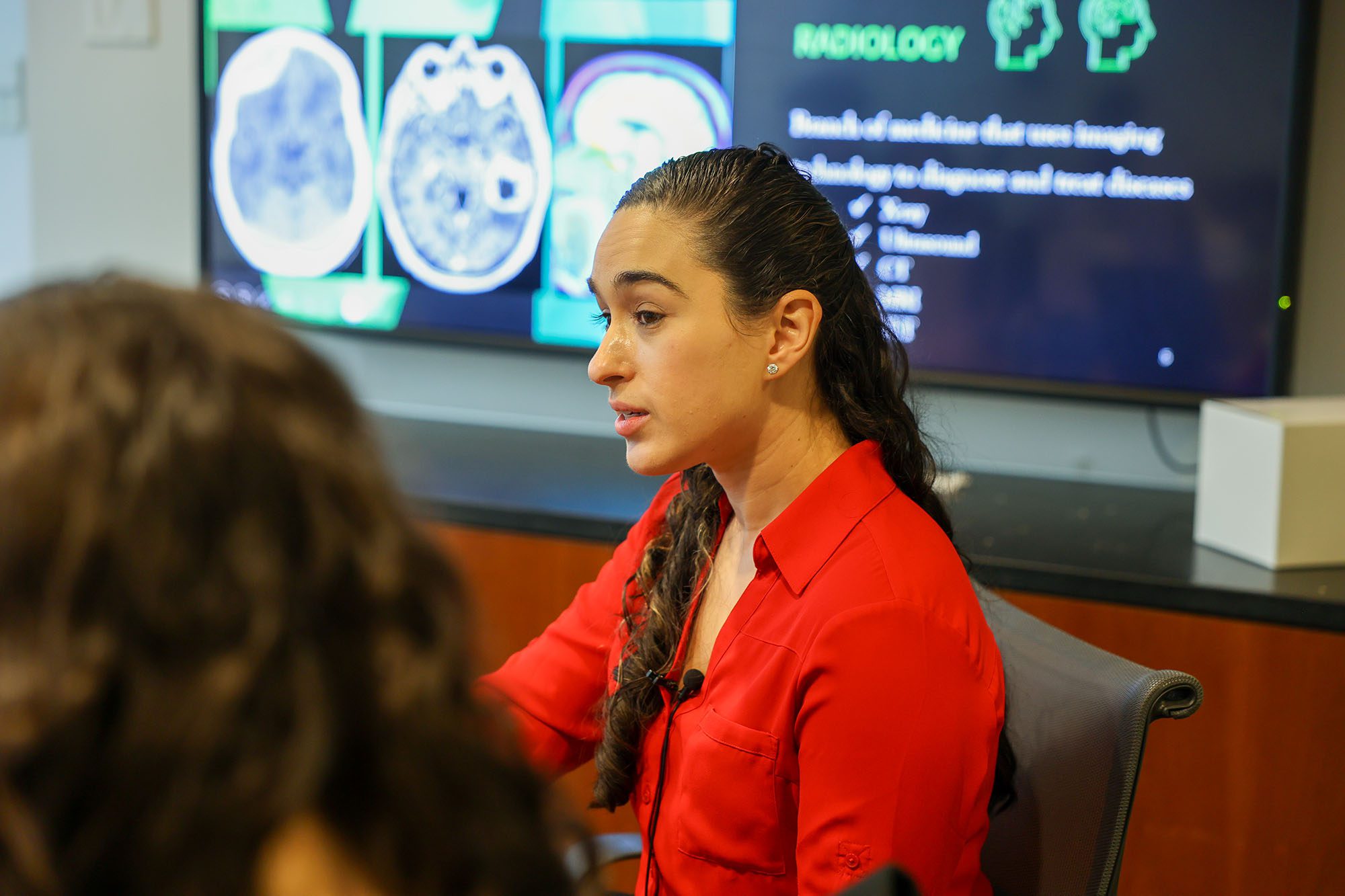
The one-year program is intended for medical students who want to incorporate engineering methods and design thinking into their clinical education.

Program Overview
-
Master of Engineering (M.Eng.) Coursework
Train in design, quantitative analysis, and technology development.
-
Clinically Informed Projects
Identify unmet needs during medical training and develop corresponding engineering solutions.
-
Capstone Design Experience
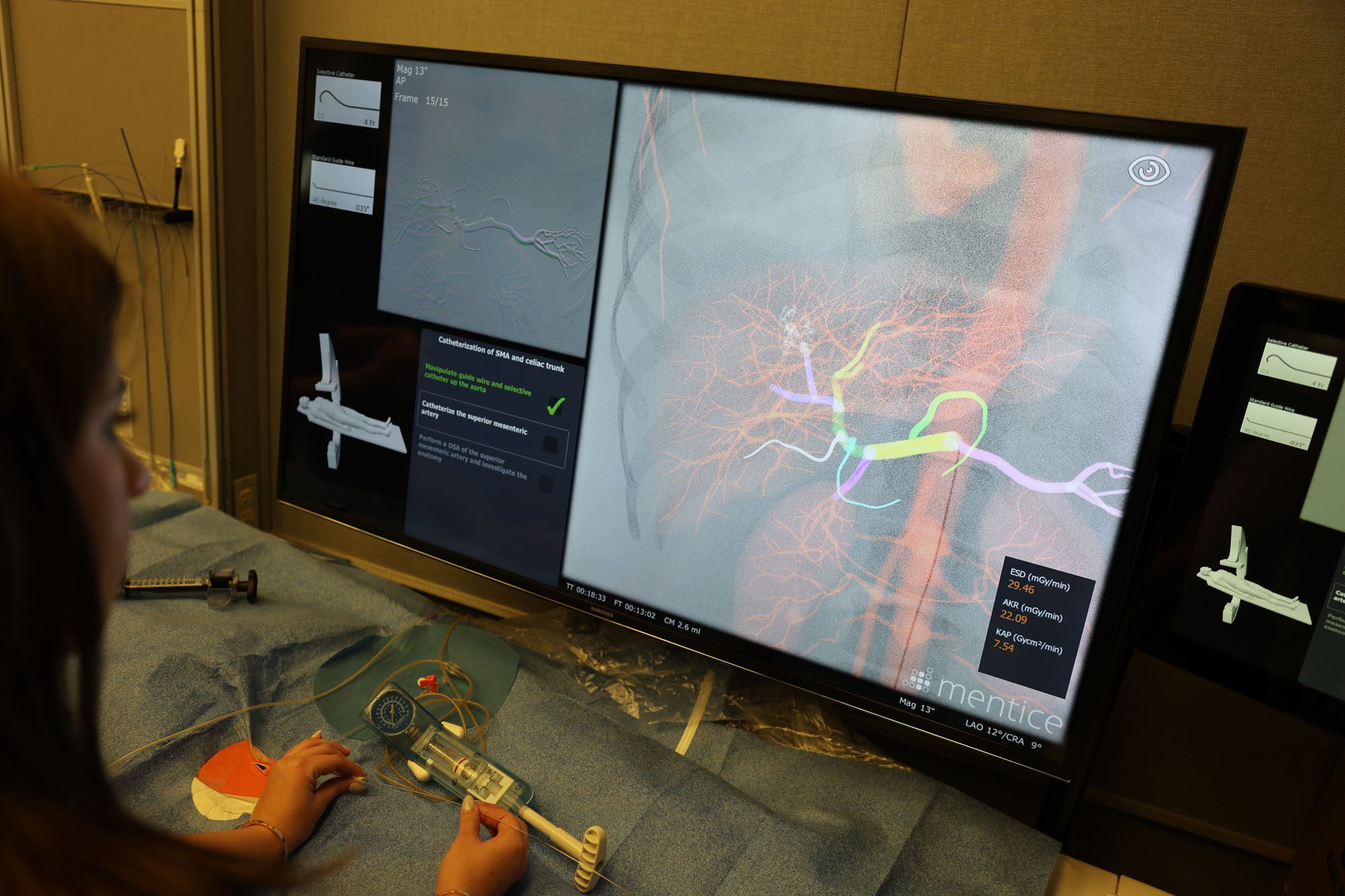
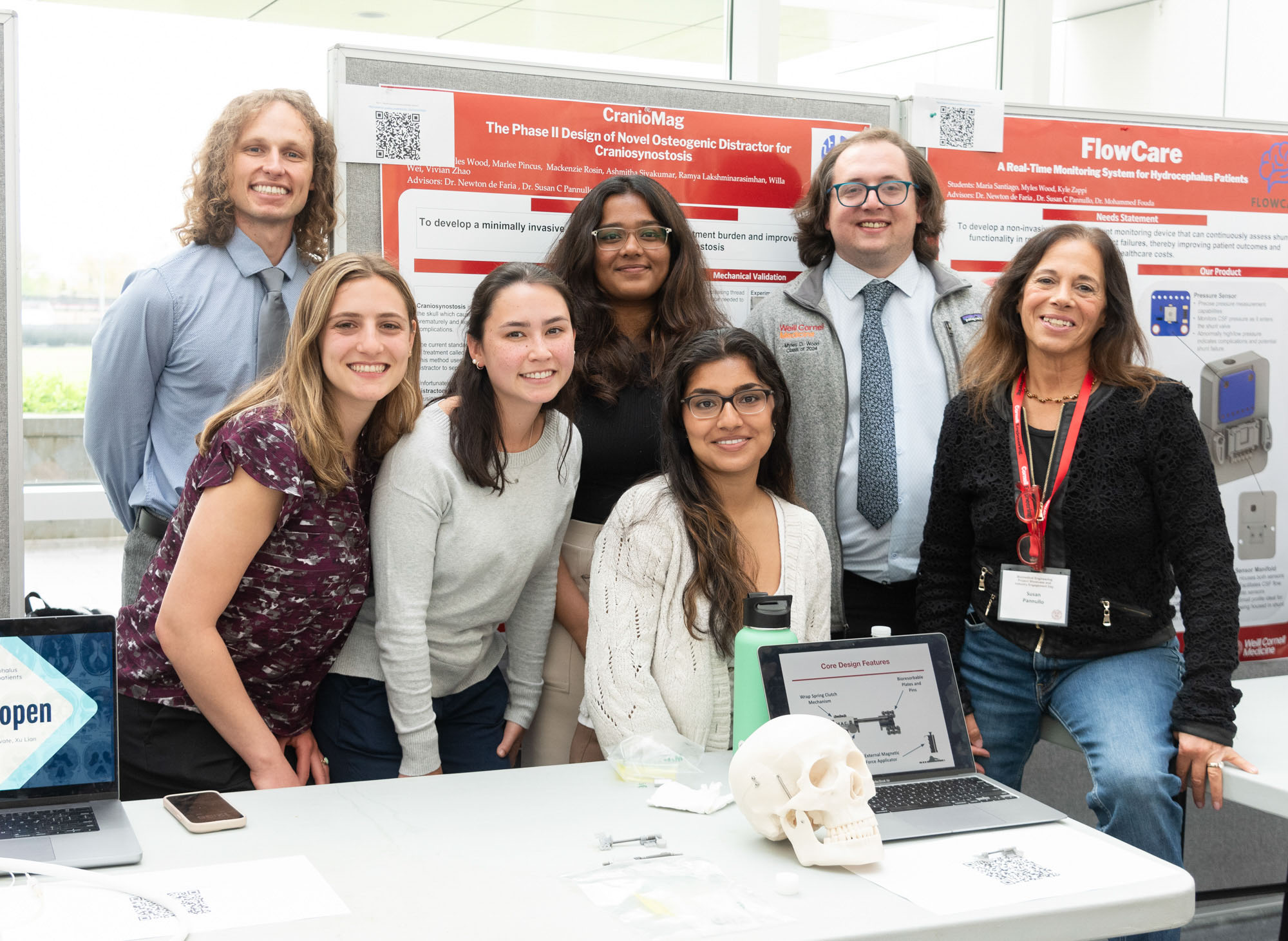
Collaborate on a team-based project building and evaluating a healthcare-related technology or system.
-
Cross-Campus Engagement
Coordinate between clinical training in New York City and engineering resources at Cornell University in Ithaca.
Weill Cornell Medicine
Weill Cornell Medicine is Cornell University’s academic medical center in New York City, dedicated to excellence in patient care, biomedical research, and the education of future physicians and scientists. Faculty, clinicians, and researchers at Weill Cornell Medicine work closely with colleagues in the Meinig School of Biomedical Engineering, combining clinical insight with engineering expertise to advance collaborative research, translational innovation, and educational programs that address real-world medical challenges.

Structure and Fit
-
Integrated with M.D. Timeline
The M.Eng. is structured to fit within the existing M.D. curriculum, allowing students to complete both degrees without significantly extending total training time.
-
Part of a Linked Degree Pathway
The program is one of Cornell’s formal linked master’s options, enabling M.D. students to pursue additional training in a coordinated and administratively supported framework.
-
Emphasis on Applied, Project-Based Work
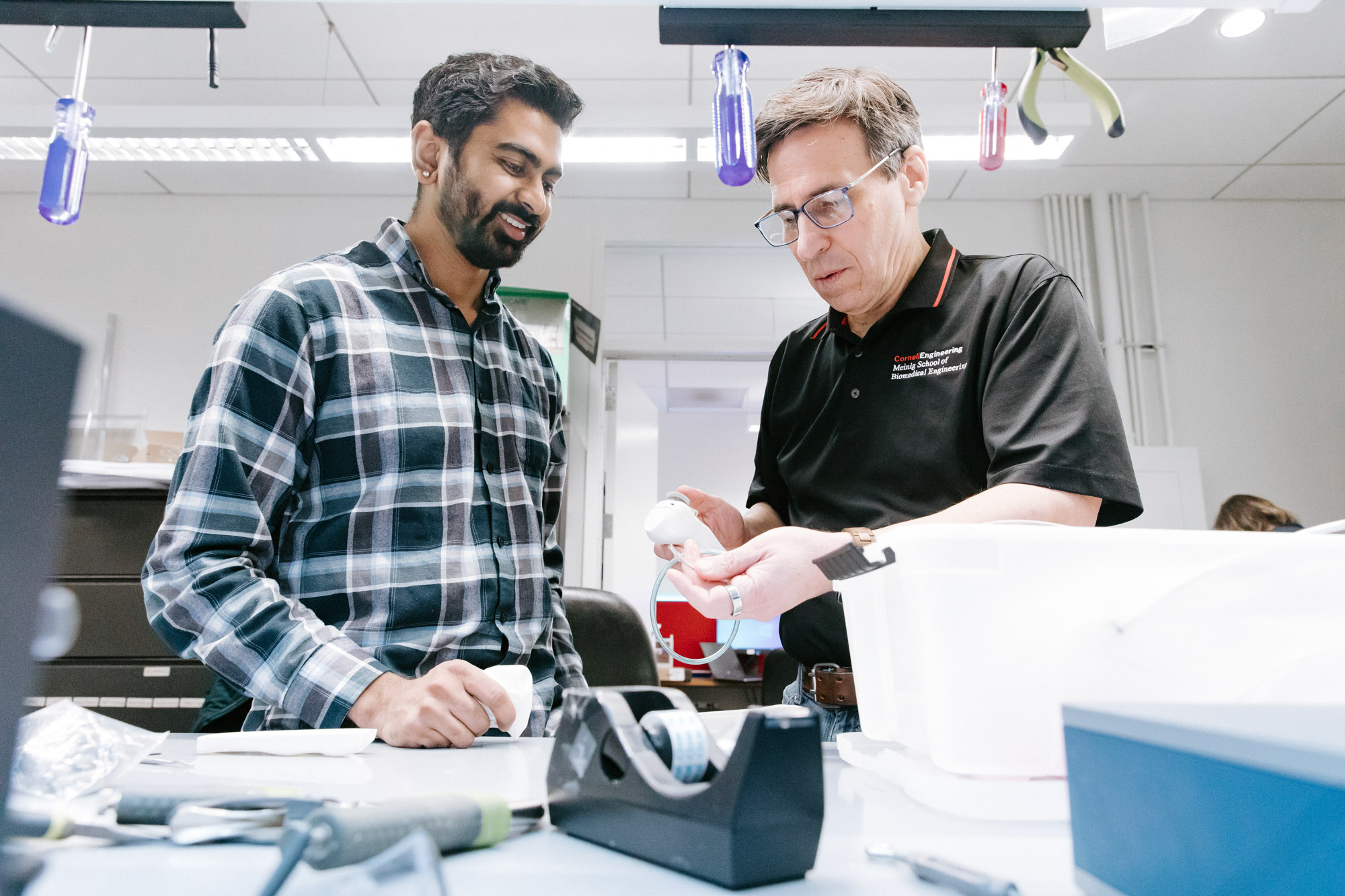
The curriculum prioritizes hands-on design and problem-solving, with a focus on developing practical solutions to real clinical challenges rather than primarily theoretical study.
Outcomes
-
Evaluate Clinical Problems Using Engineering Frameworks
Apply structured, quantitative approaches to assess clinical challenges, including identifying root causes, constraints, and opportunities for improvement within complex healthcare systems.
-
Contribute to the Design and Implementation of Healthcare Technologies
Participate in the full development process—from concept and prototyping to testing and refinement—of devices, diagnostics, or digital tools informed by real clinical needs.
-
Work Across Clinical, Technical, and Research Teams
Collaborate with engineers, clinicians, and scientists, contributing domain-specific insight while communicating across disciplines to advance shared project goals.
“The opportunity to pursue hands-on engineering projects tied directly to my clinical interests shaped how I think about my future as a physician. The M.D.–M.Eng. Dual Degree Program trained me to identify unmet clinical needs and develop real solutions—skills I’ll carry forward as I begin my residency in Neurosurgery at Mt. Sinai and build a career at the intersection of medicine and engineering.”
Andrew Yang M.D.-M.Eng. ’26

News and Updates
-
![]()
Engineering, Weill Cornell Medicine pilot M.D.-M.Eng. degree
As part of a new cross-college initiative designed to accelerate engineering innovations in medicine, Cornell Engineering is piloting an M.D.-M.Eng. program that allows medical students at Weill Cornell Medicine to earn a one-year professional Master of Engineering degree.

M.D.-M.Eng. Dual Program Contacts
For additional information on admissions, curriculum, and scholarships, interested students should contact.
-
![Kelly Gillen]()
Kelly Gillen
Faculty Director, Engineering in Medical Education
Weill Cornell Medicine
keg2002@med.cornell.edu -
![Newton de Faria]()
Newton de Faria
Director of the Master of Engineering Program
Meinig School of Biomedical Engineering, Cornell University newton.defaria@cornell.edu