Doctor of Philosophy 2026
Graduates
-
![Samantha Bratcher]()
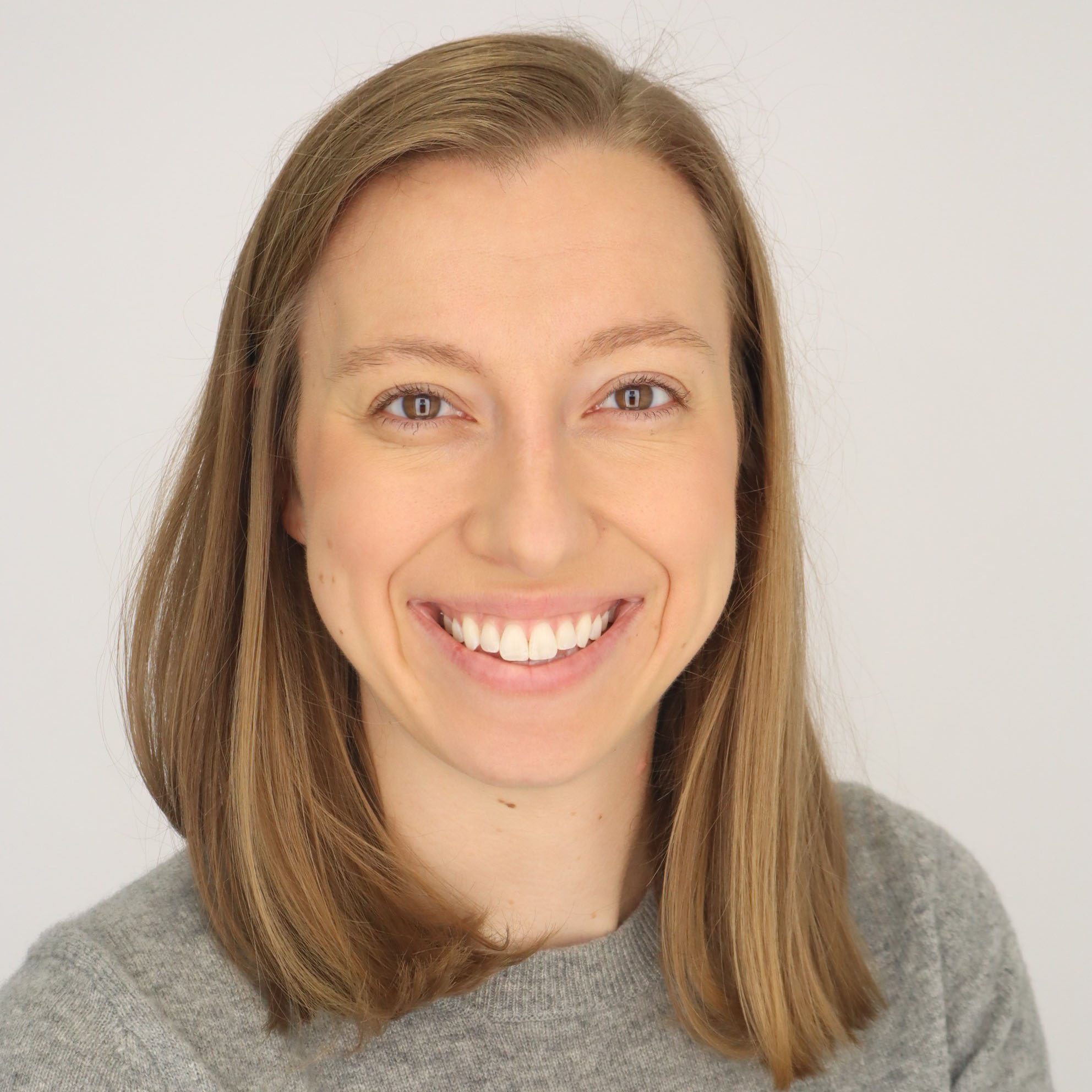
Samantha Bratcher
Thesis title: “Three-Photon Microscopy for Depth-Resolved Imaging Within and Beyond Cortical Bone”
Advisor: Dr. Karl Lewis
Samantha Bratcher successfully completed her Ph.D. training with a dissertation that explored the comparative imaging capabilities of two-photon (2P) and three-photon (3P) microscopy for studying mouse bone in vivo. Before joining the program, Samantha earned her bachelor’s degree in biomedical engineering from the University of Tennessee, where she showcased her early expertise in biomechanics research and protocol development. Throughout her doctoral training, she became an invaluable member of the laboratory due to her technical proficiency, leadership qualities, and unwavering commitment to innovation. Her dissertation revealed that 3P imaging offers superior resolution compared to 2P microscopy in both cortical bone and marrow environments. Furthermore, she evaluated the effectiveness of refractive index (RI) matching and adaptive optics approaches to enhance signal-to-noise ratio and image resolution during 3P imaging in bone tissue. Additionally, Samantha introduced novel approaches for real-time mapping of tissue-level strain using in vivo multiphoton second harmonic generation signals, enabling localized assessment of strain surrounding osteocytes. In addition to her thesis work, Samantha developed streamlined control code for mechanical loading devices, contributed data analysis pipelines, and helped establish protocols across various experimental platforms within the group. Samantha served as a stabilizing and welcoming leader within the laboratory, providing mentorship and support to all group members.
-
![Arnold Chen]()
Arnold Chen
Thesis title: “Engineering methods, models, and tools for analyzing microbial organisms”
Advisor: Dr. Nate Cira
Arnold joined my lab after earning his undergraduate degree in biomedical engineering from Northwestern University. His thesis work sits at the intersection of microbial systems engineering, high-throughput experimentation, and computational modeling. Early in his Ph.D., Arnold tackled one of the most technically challenging projects in the lab: developing a workflow to move directly from bacterial colonies to ribosomal sequencing at scales of hundreds of samples. This effort required mastering microbiology, molecular biology, fluidics, sequencing, and informatics while navigating hundreds of experimental permutations and large volumes of data. Through persistence, meticulous organization, and rigorous quantitative thinking, Arnold developed an end-to-end workflow capable of delivering scalable insights. Arnold also distinguished himself as an accomplished quantitative and computational scientist by leading a project investigating dynamic connected systems, extending existing models with self-avoidance and memory effects, and uncovering new physical behaviors through analytical and stochastic approaches. His ability to move seamlessly between wet-lab experimentation, mathematical modeling, and computation has enabled impactful contributions across multiple projects. Beyond his own research, Arnold has been an impactful member of the lab, mentoring junior researchers, strengthening shared tools, and elevating the scientific rigor of those around him. It has been a privilege to work with and watch Arnold grow as a scientist. We wish him every success in the adventures ahead. Congratulations, Arnold!
-
![Alexander Cruz]()
Alexander Cruz
Thesis title: “Multicellular Mechanisms of Advanced Calcific Aortic Valve Disease”
Advisor: Dr. Jonathan Butcher
Alex is originally from Plainfield N.J., a child of Puerto Rico and Guatemalan Immigrants. Alex came to Cornell from Simmons College with a degree in biochemistry. Alex was a second generation lab member of sorts, having been inspired to consider Cornell and our lab from living in an apartment complex with one of my first Ph.D. students who had recently started his industry career. I’m thankful for his sell as Alex accepted Cornell sight unseen during COVID. Alex’s research project focused on innovating a 3D tissue culture system that faithfully replicated the clinically serious enigma of calcific aortic valve disease. Alex discovered emergent pathogenic interactions between resident valve cells that are novel therapeutic targets. Alex further innovated this system into a high throughput screening tool for compounds to delay disease progression, an unmet clinical need. Alex has been a key champion and leader for our lab, who I could rely on for almost any task with enthusiasm. Alex was also a fantastic mentor to students, whether in middle school or at Cornell. Alex was supported by a Sloan Fellowship as well as an HHMI Gilliam Fellowship. I am appreciative and humbled by his relentless optimism, willingness to try anything, and unwavering support. I look forward to his many positive contributions to his community and to biotechnology.
-
![Catia Dombaxe]()
Cátia P. Dombaxe
Thesis title: “Nature’s Secret to Spinal Cord Healing: What Goldfish Can Teach Us About Recovery”
Advisor: Dr. Yadong Wang
Congratulations on this incredible milestone! Your journey from the warmth of Angola to the snowy winters of Ithaca is a testament to your resilience and unwavering focus. Watching you overcome both personal and professional barriers with such grace has been inspiring. You have worked diligently to transform from a dedicated student into a strong leader and a truly independent scientist. The world of neuroengineering is lucky to have you. I have no doubt that your ambition will lead you from one groundbreaking project to another. You have proven that no distance is too far and no challenge is too great when met with your level of determination. I can’t wait to see the impact you make next.
-
![Maggie Elpers]()
Maggie Elpers
Thesis title: “Macrophage mechanobiology: from nuclear mechanics to altered gene expression during physical confinement ”
Advisor: Dr. Jan Lammerding
Maggie joined the Cornell Biomedical Engineering Ph.D. program in August 2020 after earning her B.S. in Bioengineering from Clemson University. In the Lammerding Lab, Maggie single-handedly pioneered a new research area, investigating how physical confinement affects macrophages, a key class of immune cells involved in inflammation, tissue repair, and cancer metastasis. Her discoveries have significantly advanced our understanding of how both physical and biochemical cues regulate macrophage function. Maggie is the first author on two publications, with another manuscript in preparation, and she has contributed to several additional manuscripts. The tools she developed are now widely used in the laboratory, advancing multiple research areas. Beyond her outstanding science, Maggie has been an amazing lab member who has dedicated tremendous efforts to helping others, troubleshooting instruments, and ensuring the lab runs smoothly, both physically and emotionally. Her brilliant work has been recognized with several awards, including a National Science Foundation Graduate Research Fellowship and the Cornell University Founder’s Dissertation Fellowship. After graduation, Maggie will pursue a career in intellectual property and technology transfer, building on her experience in the Cornell Center for Technology Licensing. Thank you so much, Maggie, for all that you have done for the lab!
-
![Brooke Filanoski]()
Brooke Filanoski
Thesis title: “Optical Platforms for Biomineralization and Point-of-Care Diagnostics”
Advisor: Dr. David Erickson
Brooke’s Ph.D. work brought together optical sensing, microfluidics, biomineralization, and point-of-care diagnostics. Her research advanced microfluidic and optical platforms for studying microbially induced calcium carbonate precipitation, helping reveal how local environments influence mineral growth in engineered living materials. She also contributed to our paper-LAMP diagnostic efforts, developing ready-to-rehydrate, paper-based nucleic acid testing approaches. Beyond her research, Brooke has been a generous mentor to undergraduate students and an important contributor to collaborative projects across engineering, microbiology, and materials science. I have appreciated her independence, persistence, and willingness to take on technically challenging work. Congratulations, Brooke!
-
![Aiyana Fortin]()
Aiyana Fortin
Thesis title: “Intra-articular transport, clearance, and therapeutic strategies for the treatment of knee osteoarthritis”
Advisor: Dr. Lawrence Bonassar
Aiyana Fortin’s thesis research focused on developing injectable delivery vehicles and therapeutics for the treatment of osteoarthritis. Specifically, she developed and assessed C’Dot silica nanoparticles and collagen macropeptides for their efficacy in penetrating cartilage and maintaining extended presence in joints after injection. Her outstanding work has been recognized with a number of awards, including an NSF Graduate Research Fellowship, a Regional NSF Innovation Corps award, a Women Entrepreneurs at Cornell award, and the Runner-Up in the SB3C PhD student paper competition. Her work has resulted in a provisional US patent application for cartilage-targeted C’Dot vehicles, and after graduation, she plans to move this technology towards commercialization. Congratulations, Aiyana!
-
![Robert Hawkins]()
Robert Hawkins
Thesis title: “In Vivo Multiphoton Imaging of Neuroimmune Dynamics after Injury”
Advisor: Dr. Nozomi Nishimura
Robert’s thesis work used multiphoton microscopy in the living mouse brain to uncover new behaviors of cells during injuries and disease models. Robert captured movies of cell motion and transformation to understand mechanisms of cell damage in neurodegeneration and brain injury in Alzheimer’s disease. A particular version of the TREM2 gene, the R47H variant, was recently identified to be a powerful risk factor for Alzheimer’s disease. It is known to be expressed in microglia, the resident inflammatory cells in the brain, but how it worsens the disease is not known. Robert’s experiments using a laser to clot microscopic blood vessels in the brain to mimic lesions found in patients uncovered a novel, but subtle effect, of the R47H mutation on microglia behavior. With this mutation, microglia are less responsive to the injury on the short time scale, but inflammation is prolonged over weeks. This work suggests R47H variants suppress an initial inflammatory reaction that would have led to faster resolution. He developed new methods of labeling connections between neurons to study how neurons react and compensate for connections lost to injury and disease. In addition to his own projects, Robert has worked on a variety of projects and collaborations and has been central to the success of all of these across a wide range of topics. Robert has been exceptional in terms of his productivity and scientific abilities and multiplies his impact by providing leadership and support, as needed, to a variety of collaborators and mentees. We look forward to seeing how he shapes the future of biomedicine.
-
![Xinzi He]()
Xinzi He
Thesis title: “Making AI Accessible to Radiology”
Advisor: Dr. Mert Sabuncu
Xinzi He has been an exceptional Ph.D. student in my group, distinguished by both strong technical ability and a clear commitment to clinical impact. From the outset, he demonstrated a deep interest in translational research, bringing rigorous machine learning methods closer to real clinical problems. His doctoral work focused on improving the accessibility and robustness of radiology AI, spanning pre-processing, segmentation, and deployment-time adaptation. Beyond his technical contributions, Xinzi played a pivotal role in building bridges across disciplines. He initiated and nurtured a close collaboration with Dr. Martin Prince in Radiology, which has since grown into a sustained and highly productive effort. His work helped lay the foundation for ongoing translational initiatives and platforms that extend well beyond his dissertation. Xinzi combines intellectual depth with initiative and a strong sense of purpose, and I am confident he will continue to make impactful contributions at the interface of AI and medicine.
-
![Mia Huang]()
Muyin (Mia) Huang
Thesis title: “Therapeutic Targeting of Bone Mechanical Response”
Advisor: Dr. Marjolein van der Meulen
Mia has had a successful time in my group including initiating and leading an important new collaboration. A group at Massachusetts General Hospital has been working on a potential new drug to increase bone mass, with very promising results. This compound is related to one that our group has done a lot of work on previously. Mia helped to start our collaboration and performed a series of key experiments to combine this treatment with a preclinical model of skeletal loading. She has been outstanding in analyzing and especially interpreting complex data from these experiments. Through these experiences, Mia has taken advantage of opportunities and pushed our science forward in exciting new areas. She has also learned to manage and lead others working on her project, important skills to develop. I look forward to seeing Mia’s success in her next phase after Cornell.
-
![Caleb Jones]()
Caleb Jones
Thesis title: “Neural representations of sensory feedback and vocal-gestural coordination in singing birds””
Advisor: Dr. Jesse Goldberg
Caleb is an extraordinary scientist and an even more extraordinary human. He is curious, kind, and has become a leader in the lab and in the NBB department. His paper discovering the imitated song and dance in parrots, subserved by a conjoined neural code, will be taught for decades.
-
![Abhishek Karmakar]()
Abhishek Karmakar
Thesis title: “Advanced Multiphase & Multiscale Numerical Models of Thrombus Embolization”
Advisor: Dr. James Antaki
Since joining our lab in 2022, Abhishek has been a remarkable asset, both intellectually and personally. His innovative approach to modeling thrombosis, blood clotting, and embolization has brought new mathematical rigor to our research and has significantly strengthened our reputation among peers. The potential public-health impact of his work is substantial, with implications for a broad population of patients with cardiovascular disease and those at risk of debilitating stroke. It is fitting that Abhishek’s mathematical lineage can be traced back to Isaac Newton and Galileo Galilei, (see https://www.genealogy.math.ndsu.nodak.edu/) whose legacy he honors through the brilliance and originality of his own contributions. I shudder to imagine the future advances in biomedical continuum mechanics that Abhishek will make. I remain deeply grateful for the opportunity to mentor him—and to learn from him.
-
![Samantha Kraus]()
Samantha Kraus
Thesis title: “Modeling the Synovium on a Chip for Studying the Interactions between Lymphatic Vasculature and Synoviocytes in Rheumatoid Arthritis”
Advisor: Dr. Esak Lee
Samantha Kraus has made significant contributions to the study of autoimmune diseases through her doctoral research. Her dissertation, Modeling the Synovium on a Chip for Studying the Interactions between Lymphatic Vasculature and Synoviocytes in Rheumatoid Arthritis, presents an innovative platform to better understand the complex cellular and vascular interactions underlying rheumatoid arthritis. As a founding member of our laboratory, Samantha played a pivotal role in establishing its research direction in autoimmune disease, particularly rheumatoid arthritis. Her work is distinguished by the development of advanced in vitro models of the synovial microenvironment, incorporating patient-derived synoviocytes and lymphatic vasculature to uncover key mechanisms driving disease progression. Beyond her research achievements, Samantha has been an exceptional mentor and leader. She has generously supported the development of junior scientists and actively contributed to outreach efforts, leaving a lasting impact on both the laboratory and the broader academic community. As a recipient of the prestigious NSF Graduate Research Fellowship Program (GRFP), she exemplifies both scholarly excellence and a deep commitment to advancing science. Samantha’s work opens new avenues for understanding and potentially treating autoimmune diseases, reflecting both her scientific rigor and her dedication to improving human health.
-
![Cole Latvis]()
Cole Latvis
Thesis title: “The development of enzyme-mimicking catalytic bioelastomers and their use in vascular tissue regeneration and advanced wound dressings”
Advisor: Dr. Yadong Wang
Congratulations on your graduation! It has been an honor to witness you breaking new grounds in our vascular graft project. Taking a biomaterial all the way from its inception to a large animal study is a monumental achievement—one that is a first for this lab and a rare feat in the scientific community worldwide. Your dedication was the driving force that brought the long and arduous sheep study to a successful finish, and you have set the project up perfectly for its next chapter in clinical translation. While you may be quiet, your latent strength and persistence in the face of immense challenges speak volumes. As you move steadily toward your goal in academia, I have no doubt you will continue to reach new heights. I look forward to following all your future achievements.
-
![Ruoxin Li]()
Ruoxin Li
Thesis title: “Engineering Lipid Nanoparticles for Targeted and Immunomodulatory mRNA Delivery”
Advisor: Dr. Shaoyi Jiang
Ruoxin Li received her undergraduate degree in chemical engineering from UCLA. She has been working on engineering lipid nanoparticles and AAVs from fundamentals to applications. Her projects include the development of low-immunogenic, high-efficacy, targeting lipid nanoparticles and AAVs, and their applications to vaccines and immunotherapy across cancer to autoimmune diseases. She has been collaborating with researchers at Weill Cornell Medicine and Cornell Vet Medicine to integrate immunology with nanomedicines and other group members on many other projects. She has been supervising and training several master’s and undergraduate students from different departments. She has been a great group citizen, assisting others with their experiments and participating extensively in group service.
-
![James Stangeland]()
James Morningstar
Thesis title: “Nucleomodulin Screening in the Human Gut Microbiome: Implications for Health and Disease”
Advisor: Dr. Ilana Brito
I have delighted in working with James for many reasons. He is extremely diligent, but also very ambitious. He thinks big and has successfully modified every nitty gritty detail to optimize protocols to squeeze more out of them and make them work in high throughput. He dazzles in uncovering what the microbiome is doing and how this can be leveraged to better human health. Beyond his own work, he has been a generous member of the lab, helping others and providing guidance to new students. He leaves a large footprint in lab, in more ways than one! I am excited to see where his science and engineering takes him next.
-
![Ayomide Oloyede]()
Ayomide Oloyede
Thesis title: “Glyco-engineered outer membrane vesicles for precisions immunity: applications in infection and cancer”
Advisor: Dr. Matthew Delisa
Ayomide (Ayo) Oloyede was born and raised in Nigeria. She joined the Cornell Biomedical Engineering Ph.D. program in 2021 after earning her bachelor’s degree in biochemistry from the University of New Mexico, where she demonstrated early strength in biomolecular and cellular engineering research. In the DeLisa Lab, Ayo’s doctoral work focused on designing and optimizing glycosylated outer membrane vesicles (OMVs) derived from engineered bacteria as a modular immunotherapeutic platform capable of eliciting targeted immune responses against infectious diseases and cancer. Her contributions helped define how decorating bacterial OMVs with disease-relevant glycans can be used to shape humoral and cellular immune responses. Throughout her time in the lab, Ayo distinguished herself as a driven scientist who brings an unfailingly positive attitude and strong work ethic to everything she does. Beyond her scientific excellence, she is also a dedicated mentor and advocate for equity in STEM. Her mentorship of younger researchers and her ability to lead cross-functional teams reflect a collaborative and empowering approach to science. Congratulations, Ayo—you are, without question, a rising star, and I cannot wait to see what you accomplish next.
-
![Shola Onissema Karimu]()
Shola Onissema Karimu
Thesis title: “Chemotherapy-induced stromal remodeling: implications for bone matrix mineralization and tumor growth”
Advisor: Dr. Claudia Fischbach-Teschl
The day is here, and what a joyful moment it is to celebrate Dr. Shola Onissema Karimu. Since arriving at Cornell in Fall 2020 after earning her B.S. in Biomedical Engineering from Rowan University, Shola has brought energy, excellence, and heart into everything she does. Even as an undergraduate, with three NSF REU experiences, her love for discovery and her commitment to building inclusive, uplifting communities were unmistakable. At Cornell, Shola dove into research exploring how chemotherapeutic drugs influence skeletal remodeling and determine the impact of these changes on metastatic breast cancer. She shared her work widely and brilliantly from Gordon Research Conferences to BMES earning admiration as an engaging, enthusiastic science communicator and a People’s Choice poster award for connecting so naturally with broad audiences. Her work was honored with the Dean’s Excellence Fellowship, NSF Graduate Research Fellowship, and the Cornell Provost Diversity Fellowship. Just as memorable is Shola’s dedication to mentoring, teaching, and outreach, recognized by the Robert Mozia Graduate Student Distinguished Service Award and induction into the Edward Bouchet Honor Society. And beyond all the accolades, one thing everyone knows: you never leave a meeting with Shola without smiling (or laughing out loud). That joy, warmth, and generosity will be deeply missed, but we can’t wait seeing the impact Shola will continue to make.
-
![Jessica Orton]()
Jessica Orton
Thesis title: “Multiomic analysis of skeletal muscle across development and aging”
Advisor: Dr. Ben Cosgrove
We were delighted to recruit Jess to our research team in the fall of 2020 after her successful undergraduate work as a B.S. student in Biomedical Engineering at the University of Arkansas. Jess is an exceptional Ph.D. student and lab citizen. She is creative, dedicated, and collaborative! Her thesis examined multiple aspects of skeletal muscle biology through innovative single-cell approaches. First, her thesis investigated cellular specification and gene regulation in human childhood development as part of a multi-institution CZI Pediatric Cell Atlas consortium, which she truly spearheaded. Second, her work interrogated the changes in T lymphocytes in muscle aging and made novel findings on the role of T-cell exhaustion in the decline in muscle function with aging. Jess provided critical contributions to our 2024 Nature Aging paper on muscle aging in which she is a second author, and has two first authored papers in preparation. Her efforts have been recognized by an NSF Graduate Research Fellowship Honorable Mention designation in 2022. She gave a well-received presentation at the Frontiers in Myogenesis Conference in 2023. More importantly, Jess is the glue that holds our research team together and has been a great mentor to new graduate and undergraduate students. Congrats, Jess!
-
![Justin Paek]()
Justin Paek
Thesis title: “Understanding and manipulating cancer-immune interactions through glycocalyx engineering”
Advisor: Dr. Matthew Paszek
Justin completed his undergraduate degree in Bioengineering at the University of California, Los Angeles as a Regents Scholar prior to joining Cornell’s biomedical engineering program. Justin has been the driving force behind a creative and impactful body of work uncovering how cancer cells use a dense, sugar-rich surface layer known as the glycocalyx to evade immune attack. His research demonstrated that overexpression of mucins such as MUC1 creates both a physical and topographical barrier that disrupts productive immune cell engagement, helping tumors escape detection. Building on these insights, Justin also asked whether these same principles could be harnessed for therapeutic benefit. He pioneered the concept of “mucin armoring,” equipping immune cells with a protective glycocalyx to shield them from host-versus-graft responses in allogeneic cell therapies. This work highlights Justin’s ability to translate fundamental biological insight into new engineering approaches. His curiosity and willingness to challenge conventional thinking are hallmarks of his approach to science. Justin has been a valued member of the lab, contributing not only technical excellence but also a collaborative and mentoring spirit. He has been deeply committed to training undergraduate researchers and fostering an engaging and supportive lab environment. Congratulations, Justin!
-
![Yansong Peng]()
Yansong Peng
Thesis title: “Engineering the Solid Tumor Vascular Microenvironment to Enhance Immunotherapy: The Role of Lymphatic and Blood Vasculatures in Fluid Regulation, Immunity, and Metastasis”
Advisor: Dr. Esak Lee
Harry (Yansong) Peng has made exceptional contributions to the field of biomedical engineering through his doctoral work. His dissertation advances our understanding of how lymphatic and blood vasculatures regulate fluid balance, immune responses, and metastatic progression in solid tumors. As a founding member of our laboratory, Harry has played a central role in shaping its scientific direction. He has led pioneering efforts in tissue microfabrication, cancer mechanobiology, immunology, and in vivo studies, establishing innovative in vitro platforms that provide new insight into lymphatic dysfunction and immune exclusion in cancer. His work has opened important avenues for improving immunotherapeutic strategies. Beyond his own research, Harry has been an indispensable collaborator and mentor within the lab and the broader department. His expertise in microfabrication, imaging, and flow cytometry has supported numerous projects, and his generosity in sharing knowledge has fostered a deeply collaborative and productive research environment. Harry’s impact extends beyond technical innovation—he has helped cultivate a culture of cooperation, rigor, and mutual growth. His work on cancer-on-chip systems and immunotherapy models reflects both his creativity and dedication, and it holds significant promise for advancing future research in cancer biology, lymphatic health, and therapeutic development.
-
![Shuofei Sun]()
Shuofei Sun
Thesis title: “Mechanobiological Regulation of Fetal Heart Morphogenesis”
Advisor: Dr. Jonathan Butcher
Shuofei is originally from a fishing village in China, having emigrated to the US during high school speaking no English. From there he graduated Binghamton University with a degree in Biomedical Engineering. During our Zoom recruiting during COVID, Shuofei impressed me with his excitement and energy for working on something that seemed impossible. I really tried to come up with something. Shuofei’s myriad of projects focused on developing mechanobiological models of congenital heart defects. Using multiphoton microscopy guided laser ablation in live chick embryos, he discovered that local blood flow disruption in the fetal outflow tract directly causes Tetralogy of Fallot (ToF), a clinically serious defect that now through his innovation can be studied for therapeutic intervention. Second, Shuofei innovated a microsurgical technique that created a blood flow obstruction mimicking what is seen in Hypoplastic Left Heart Syndrome (HLHS), a serious clinical defect. He further demonstrated this defect can be driven mechanobiologically and not genetically. He then innovated a microinjection strategy and identified a compound that was able to rescue this defect by fooling the resident cardiac cells into thinking they were in an ideal pumping environment even though blood flow was obstructed. Shuofei fabricated multiple bioreactors, 3D printing systems, and modeling approaches that will be used by generations of students after him. He has already been a serial entrepreneur, engaging multiple side hustles and pseudo-businesses while in the lab. Add raising a daughter at the same time, and he has truly achieved the impossible. I look forward to the amazing things he will achieve in the next phase of his career.
-
![Chenjue Tang]()
Chenjue Tang
Thesis title: “Zwitterionic Materials for Improved Organoid Culture and Blood-contacting Device Coating”
Advisor: Dr. Shaoyi Jiang
Chenjue Tang received his undergraduate degree from Tianjin University in Chemical Engineering and his master’s degree from the University of Washington, Seattle, in Material Science and Engineering. He has been developing highly biocompatible zwitterionic biomaterials, hydrogels, and coatings for applications such as artificial lungs, cancer organoids, and in vivo controlled drug release, in collaborations with researchers at Weill Cornell Medicine and Carnegie Mellon University. His work includes monomer and polymer synthesis, hydrogel and coating preparation, and characterization and their biomedical applications. He has been playing a very important role in maintaining the smooth operation of our biomaterials research, including providing monomers and polymers to other group members, maintaining instruments, coordinating external services and training master’s and undergraduate students.
-
![Rigoberto Vazquez]()
Rigoberto Vazquez, Jr.
Thesis title: “Development and characterization of stretchable liquid metal radiofrequency coils for magnetic resonance imaging”
Advisor: Dr. Douglas J. Ballon & D. Mert Sabuncu
Rigoberto Vazquez Jr. completed his Ph.D. under challenging circumstances, demonstrating remarkable resilience and determination. Following the sudden departure of his original advisor, Rigoberto successfully transitioned his research within the Department of Radiology, working closely with Dr. Douglas Ballon to bring his dissertation to completion. His work focused on the development of stretchable liquid metal radiofrequency coils for MRI, advancing conformal and wearable imaging technologies with strong potential for clinical impact . Despite the disruption, Rigoberto maintained momentum, producing a rigorous and technically sophisticated body of work and completing his degree on time. He established a productive working relationship with Dr. Ballon and others across the medical school and HSS; and adapted quickly to a new research environment. I am very proud of his accomplishments and confident he will continue to make meaningful contributions in the next stage of his career.