Overview
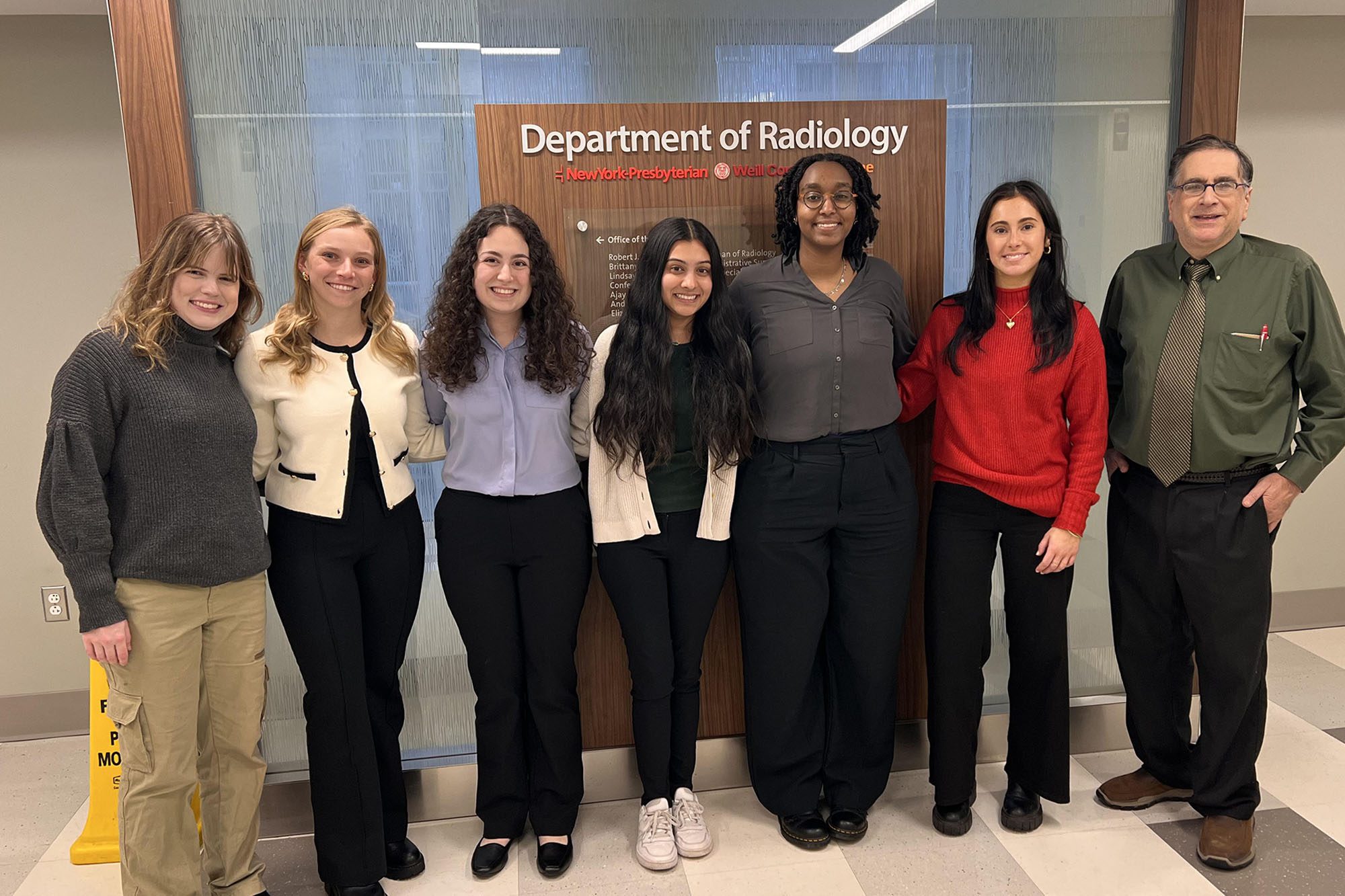
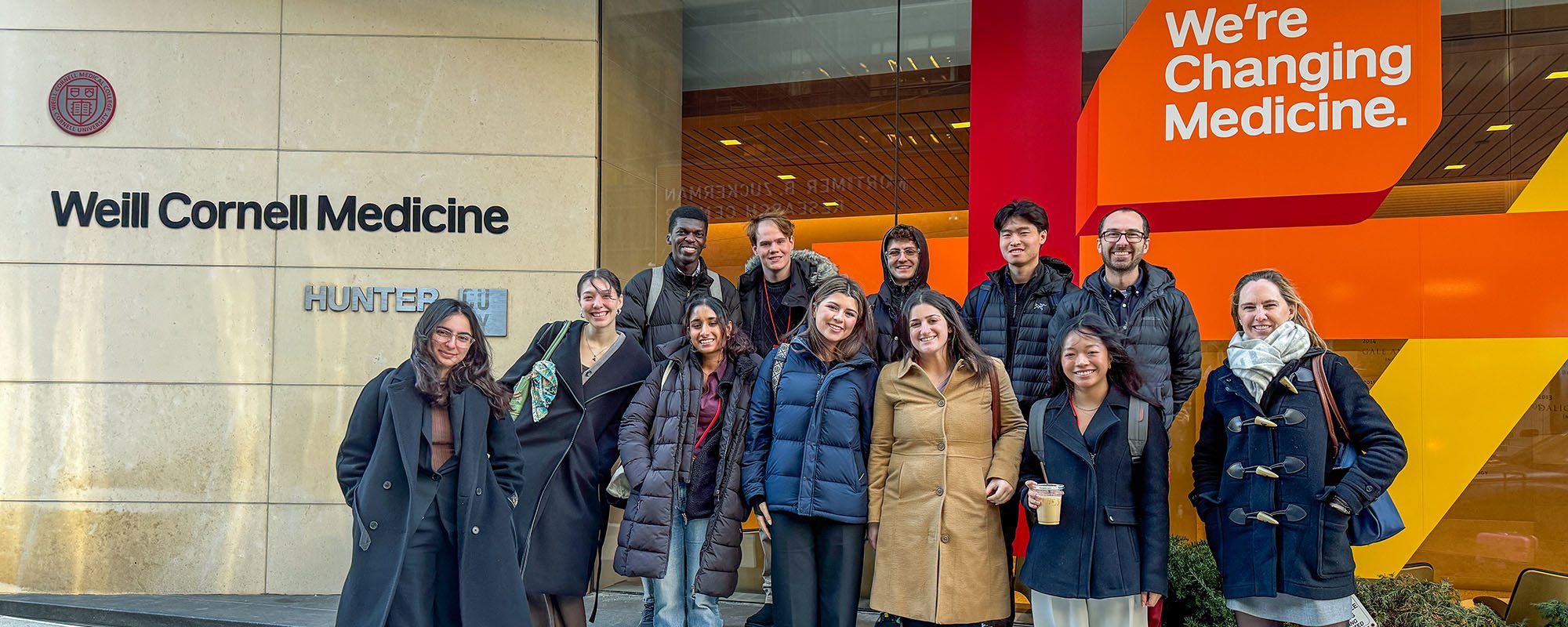
Run in partnership with the Weill Cornell Medicine Department of Radiology, the Michael Shuler Biomedical Engineering Clinical Immersion Program offers select biomedical engineering juniors a hands-on opportunity to experience medicine in the clinical environment. Through a two-week immersion at Weill Cornell Medicine in New York City—combined with academic preparation and reflection across two semesters—students gain insight into how engineers and clinicians collaborate to improve patient care and drive medical innovation.
Program Structure
The program spans two semesters and includes a two-week, full-time clinical immersion over winter break of junior year.
-
Fall (Preparation)
Scholars build clinical readiness, learn needs-finding methods, and prepare as a cohort.
-
Winter (NYC Immersion)
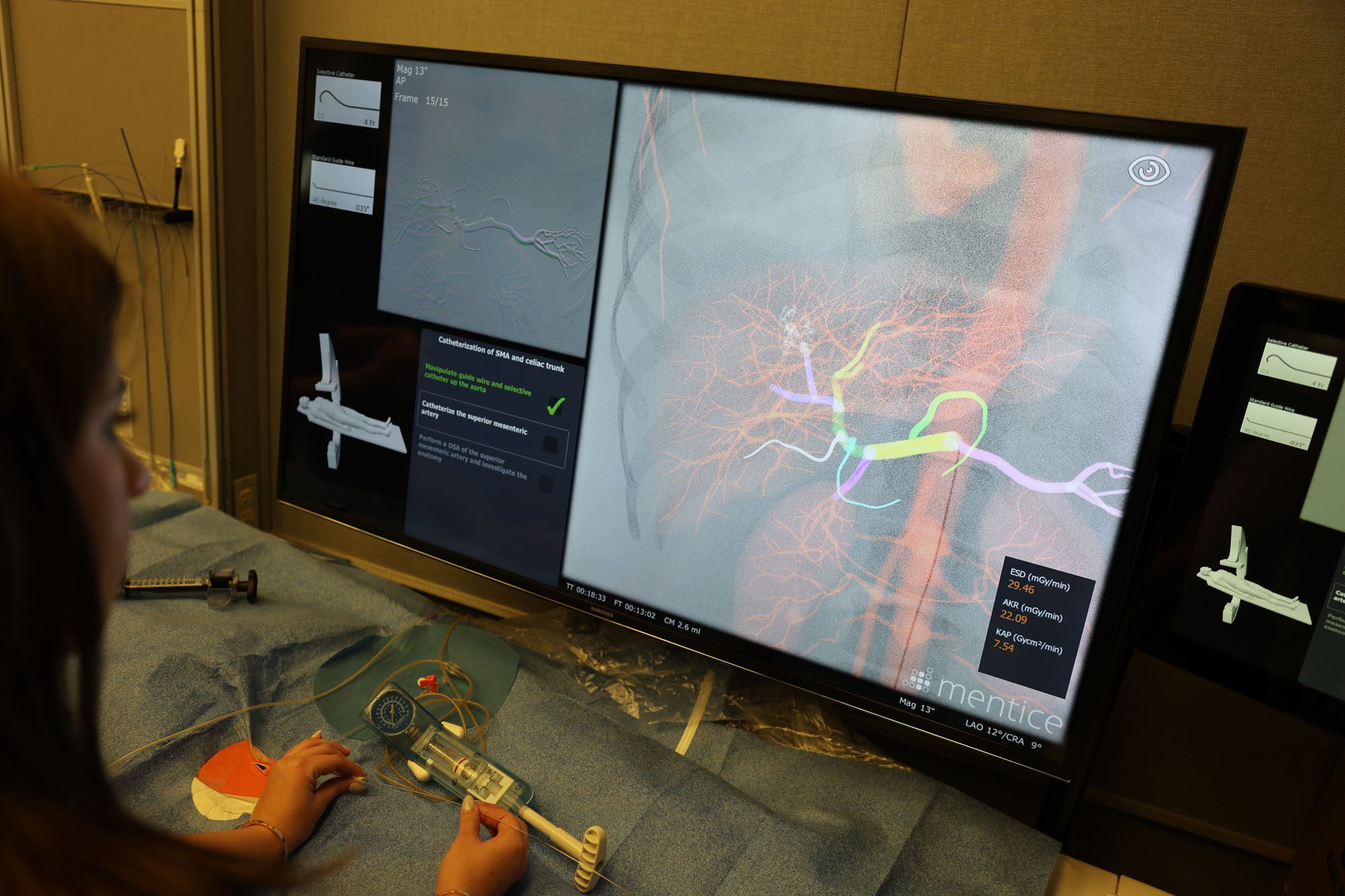
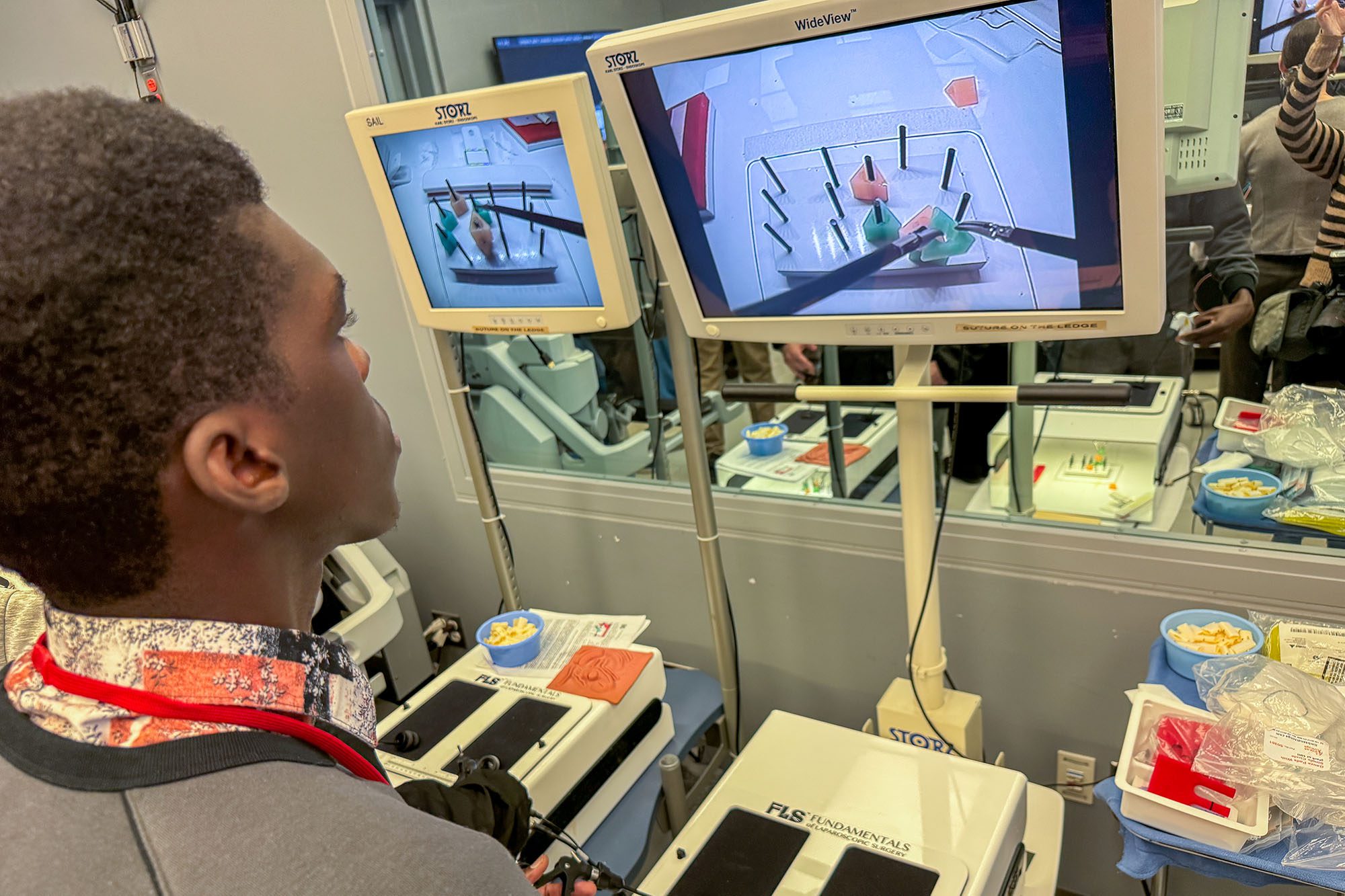
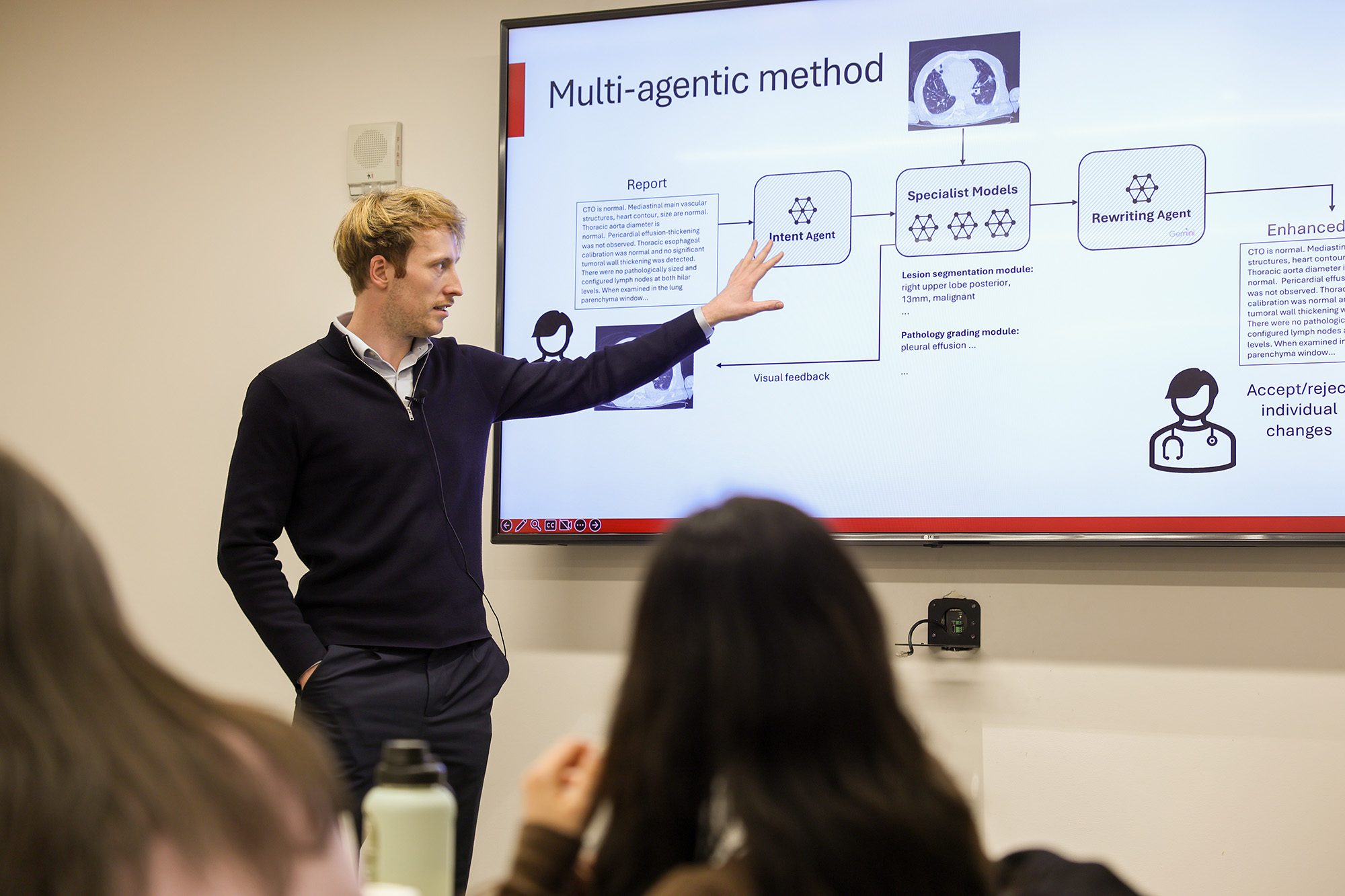
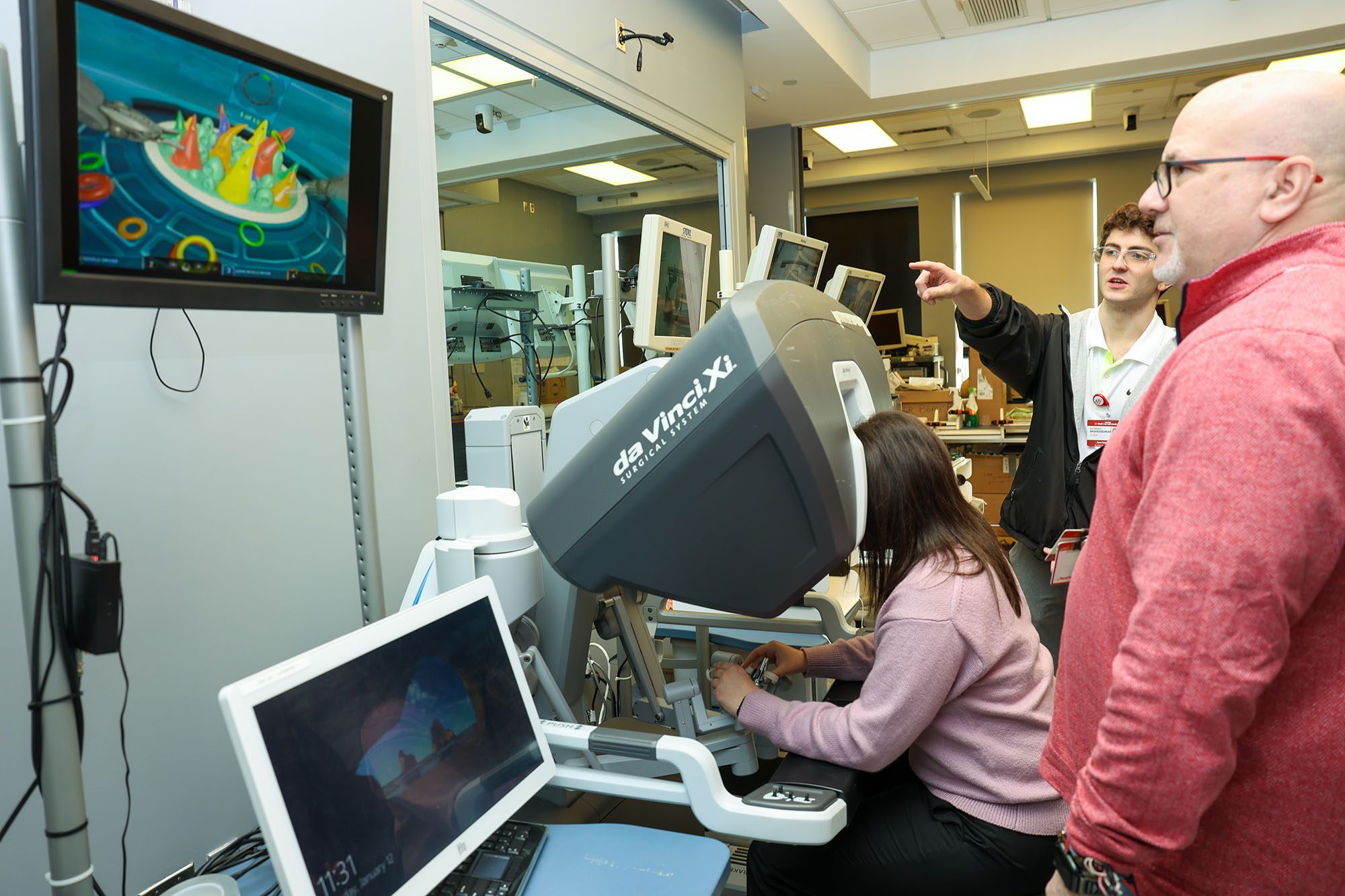
Students shadow physicians, participate in clinical rounds, and observe procedures and hospital systems while identifying unmet clinical needs. They engage with clinicians, researchers, and hospital leadership; explore leadership and entrepreneurship in an academic medical center; connect with engineering-trained faculty, doctoral students, and medical students; and benefit from daily reflection and mentorship with biomedical engineering faculty chaperones.
Past departments/specialties include:
- Radiology (Diagnostic Radiology and Interventional Radiology)
- Pathology and Laboratory Medicine
- Anesthesiology
- Plastic Surgery
- Cardiothoracic Surgery
- Neurological Surgery
- Neurology
- Emergency Medicine
-
Spring (Reflection)
Scholars refine needs into engineering problem statements, present posters to the biomedical engineering community, and prepare for their senior year to address some of the unmet clinical needs they identified during their clinical immersion through capstone design projects.
Learning Outcomes
Students completing the program will:
-
Understand the role of engineering and technology in clinical practice
-
Identify clinical needs suited to engineering solutions
-
Apply coursework to real-world medical challenges
-
Communicate clinical insights through presentations and design work
-
Receive academic credit and serve as mentors to future cohort
Who Should Apply
The program is intended for biomedical engineering juniors interested in medical technology, clinical research, medicine, graduate study, or industry. No prior clinical experience is required.
“Seeing firsthand how deeply engineering is woven into medicine solidified my career direction and showed me where I can make the greatest impact.”
Justine Burke ’24 Program Alum


“Because of this experience, I feel more confident in my ability to pursue a career in the medical device industry and develop solutions that truly address unmet clinical needs.”
Emma Weiss ’26 Undergraduate Student

Support
The program is funded by Beckie Robertson ’82 and Neil L. Robertson ’82 and honors Professor Michael L. Shuler, founding chair of the Meinig School of Biomedical Engineering. It reflects Duffield Engineering’s commitment to experiential learning and cross-campus collaboration.
Contact
For more information, please contact the Meinig School undergraduate coordinator.