Page Contents
Accelerating the Energy Transition
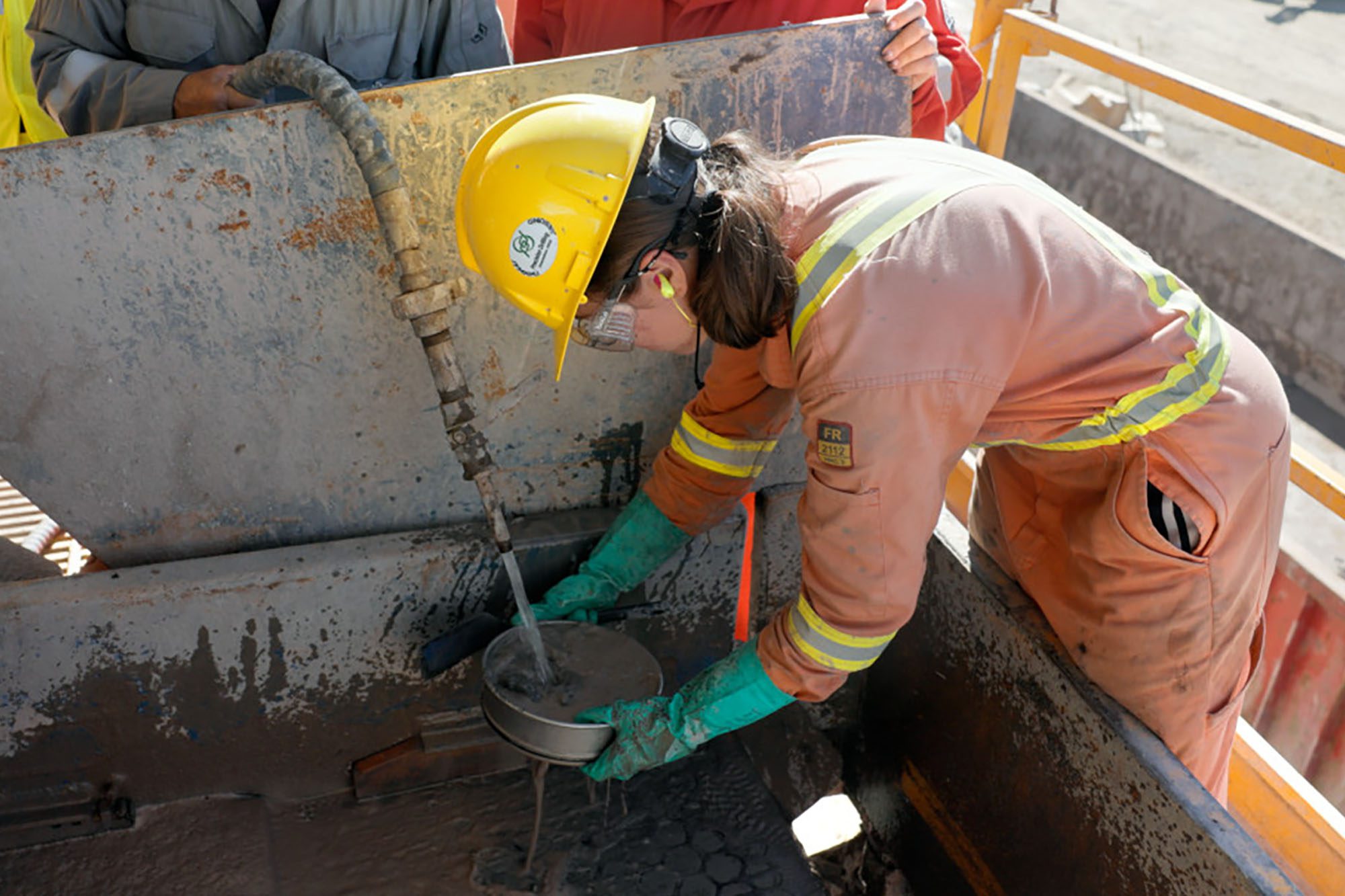
The Cornell energy transition initiative is a major strategic effort focused on engineering energy transitions. Driven by bold research, hands-on learning, and real-world testing, Cornell’s energy initiatives are reshaping how we think about climate solutions. From converting waste into fuel to building clean energy testbeds next to campus power systems, the university is leading by example—training tomorrow’s energy leaders while delivering breakthrough technologies today.
Part of the Cornell Engineering 2030 plan, the initiative drives societal impact through innovation by investing in:
-
Faculty Leadership
in sustainable energy systems
-
Cutting-edge Research
in clean energy technologies
-
Infrastructure
that connects discovery with deployment
-
Education and Training
for future energy leaders
Faculty Leadership
-
![Brian Bauer]()
Brian Bauer
Associate Director, Masters of Engineering Program—Chemical Engineering Professor of Practice
R.F. Smith School of Chemical and Biomolecular Engineering
-
![Tobias Hanrath]()
Tobias Hanrath
Croll Professor in Engineering
R.F. Smith School of Chemical and Biomolecular Engineering
-
![Vibha Kalra]()
Vibha Kalra
Fred H. Rhodes Professor of Chemical Engineering Kathy Dwyer Marble and Curt Marble Faculty Director at the Cornell Atkinson Center for Sustainability
R.F. Smith School of Chemical and Biomolecular Engineering
-
![Jefferson Tester]()
Jefferson W. Tester
Croll Sesquicentennial Fellow and Professor
R.F. Smith School of Chemical and Biomolecular Engineering
-
![K. Max Zhang]()
K. Max Zhang
Irving Porter Church Professor of Engineering Provost’s Fellow for Public Engagement
Sibley School of Mechanical and Aerospace Engineering



From Waste to Worth: Carbon Conversion Research
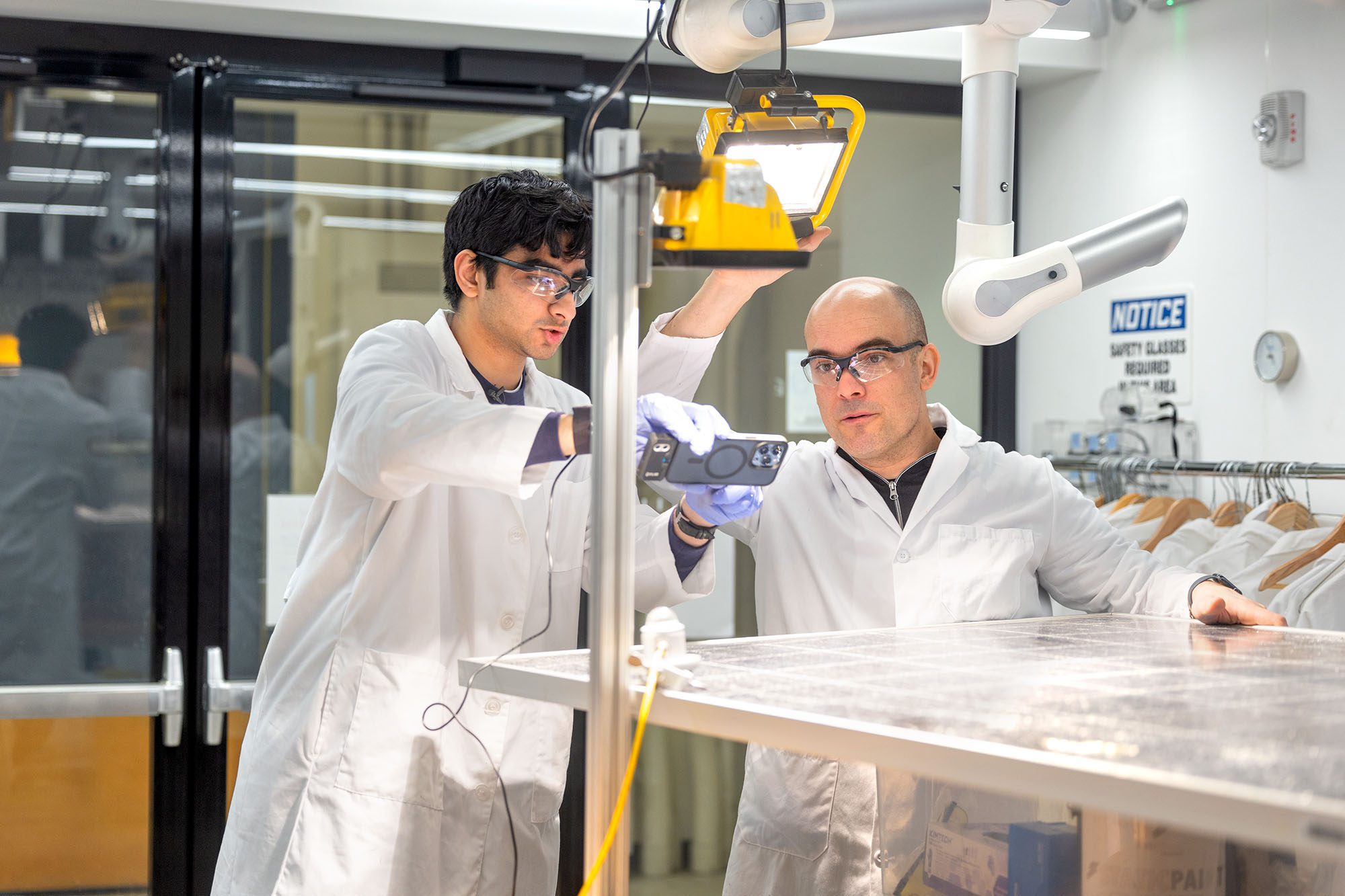
At the heart of Cornell’s clean energy work is carbon conversion research—developing electrochemical systems that transform carbon dioxide and methane from waste gases into valuable fuels and industrial chemicals. These technologies mimic nature’s own catalytic processes to create cleaner, more efficient chemical reactions.
Researchers aim to:
- Increase conversion efficiency
- Reduce industrial emissions
- Turn greenhouse gases into usable, market-ready resources
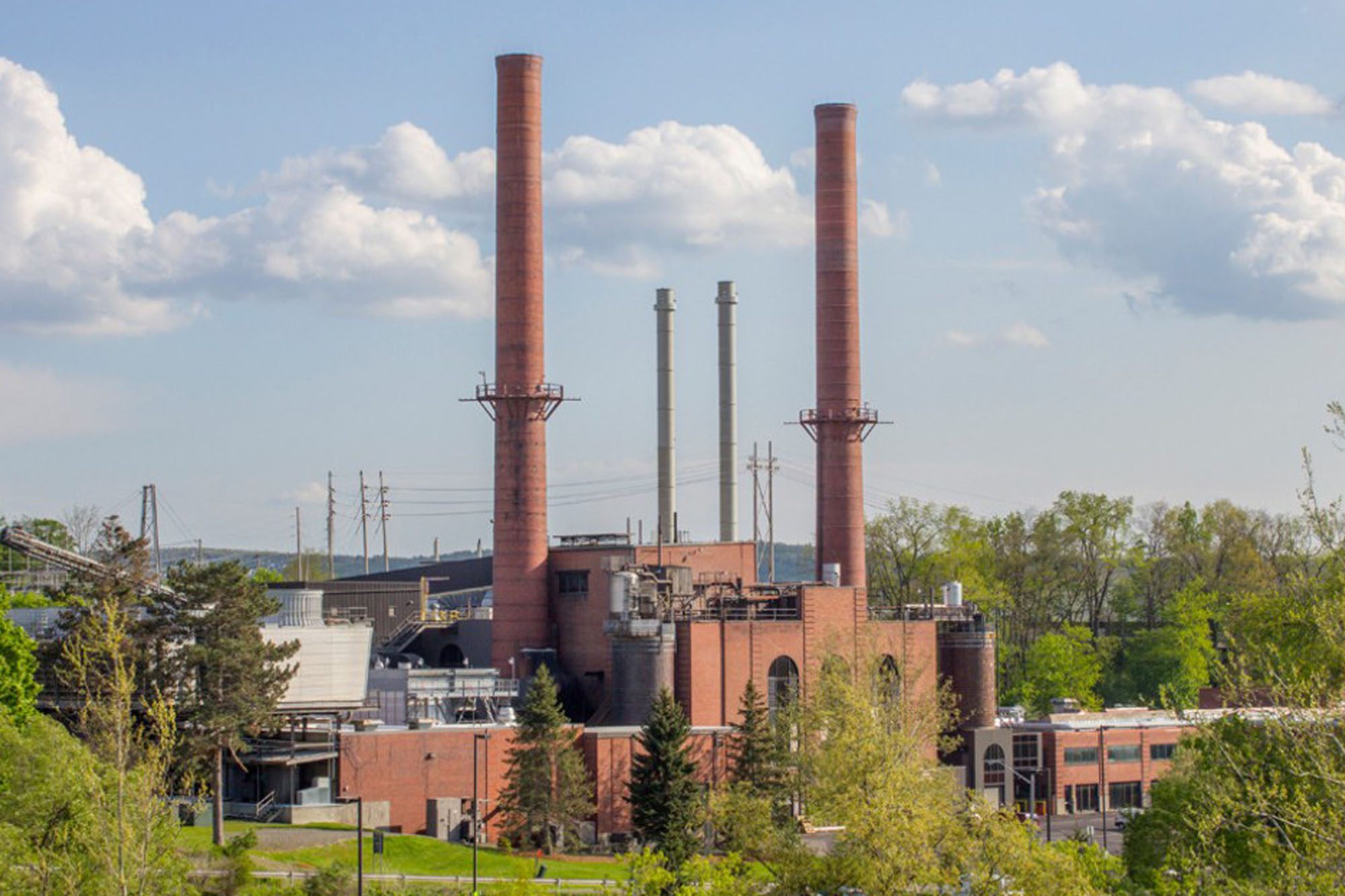
Campus as a Testbed for Innovation
Cornell’s Ithaca campus is a living laboratory for sustainable energy technologies—where students and researchers test scalable solutions right where they live and learn. Key projects include:
-
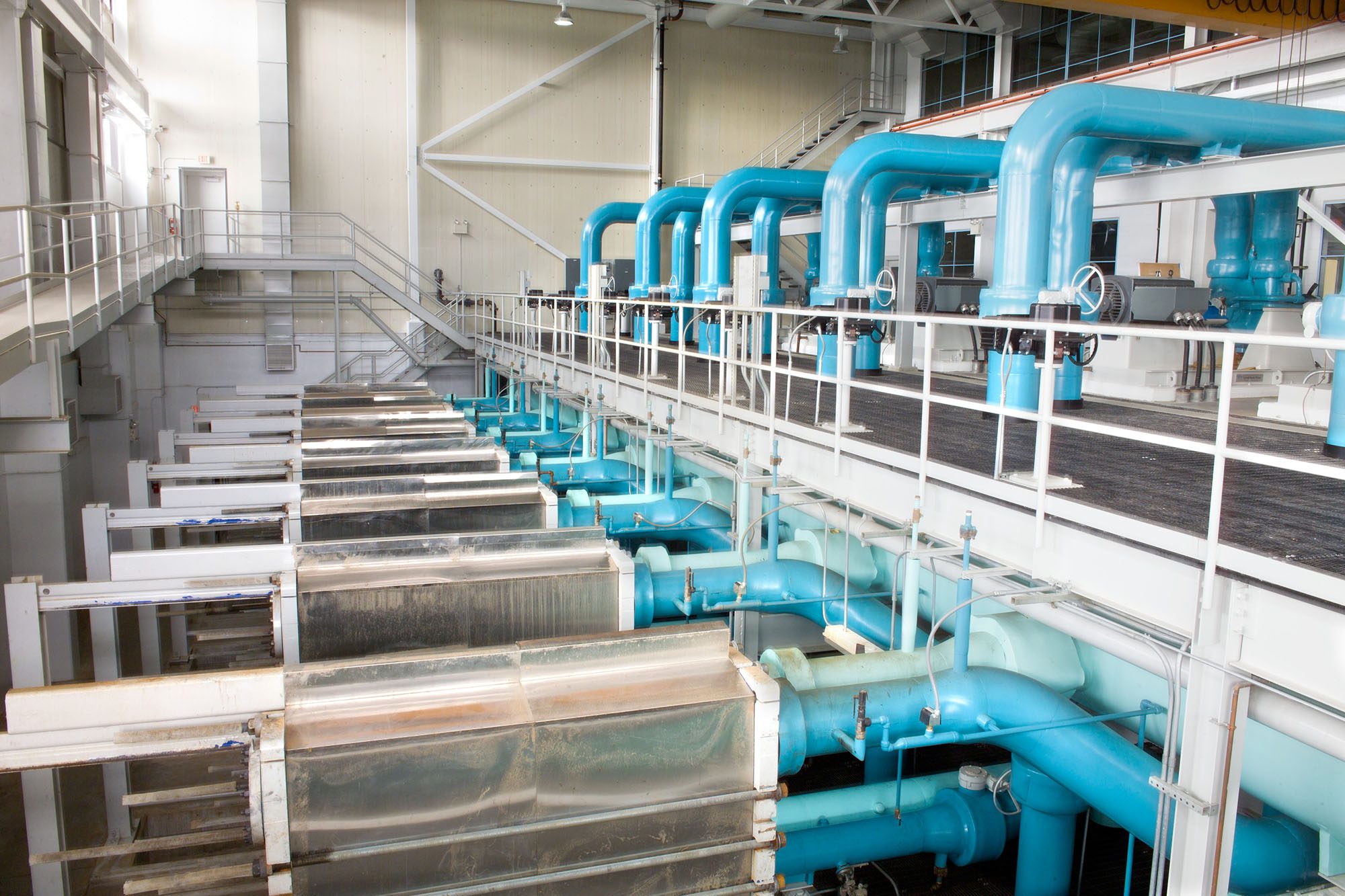
![Interior machines of the lake source cooling facility at Cornell.]()
Lake Source Cooling
Reducing campus cooling emissions
-
![Exterior view of the earth source heat facility at Cornell.]()
Earth Source Heat
A pioneering deep geothermal project
-
![Cornell's Combined Heat and Power Plant.]()
CAPTURE-Lab
A mobile facility testing carbon capture and conversion next to Cornell’s Combined Heat and Power Plant
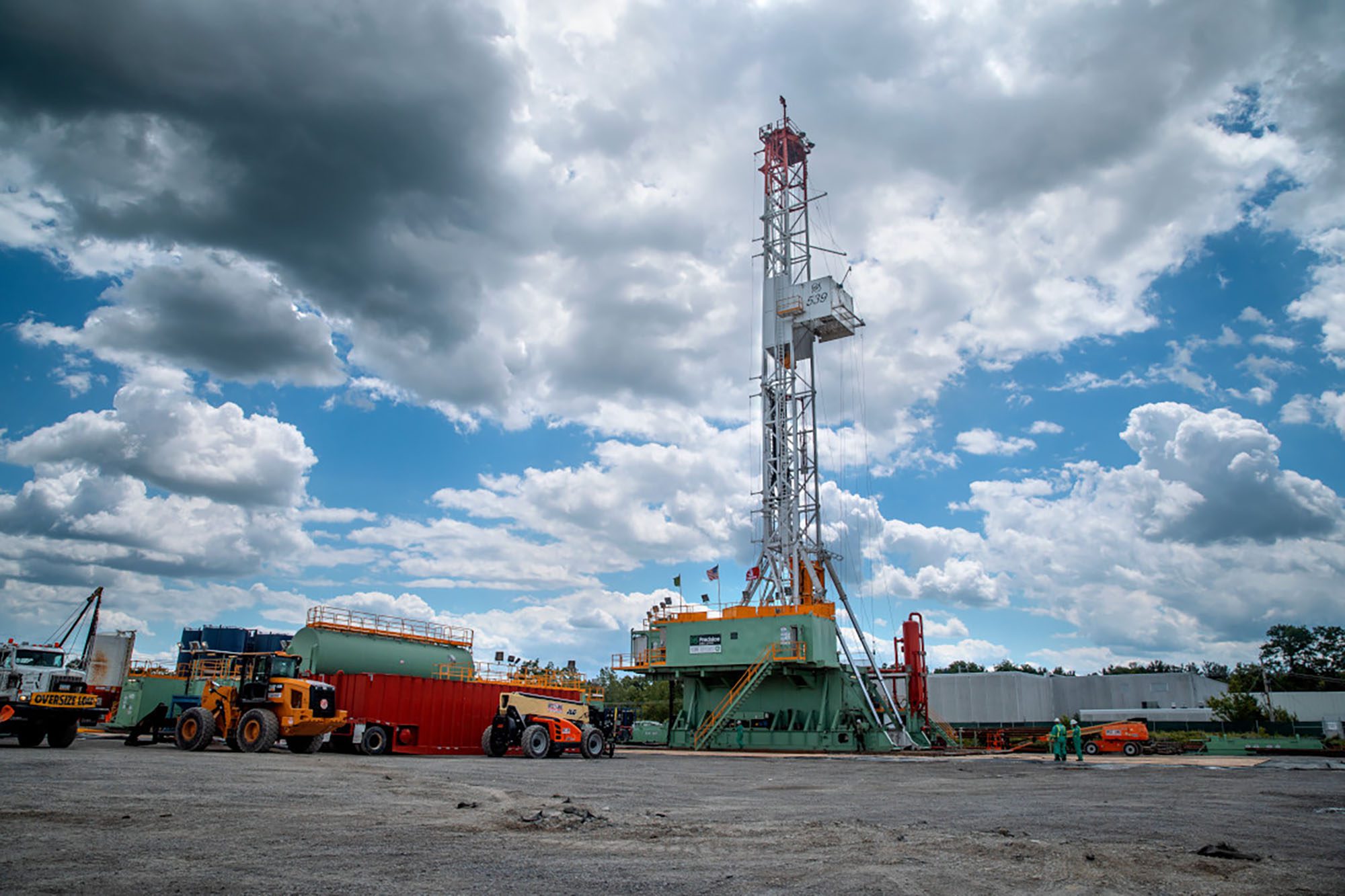
Educating Future Energy Leaders
Cornell prepares the next generation of engineers, scientists, and policy experts to tackle the global energy challenge. Programs emphasize:
- Interdisciplinary energy coursework
- Real-world design studios for Master of Engineering students
- Industry collaboration on applied energy projects
- Student entrepreneurship in clean tech and sustainability
Whether you’re an undergraduate exploring climate innovation or a graduate student diving into R&D, Cornell is the place to build your energy future.
Explore Our Work
Join The Mission
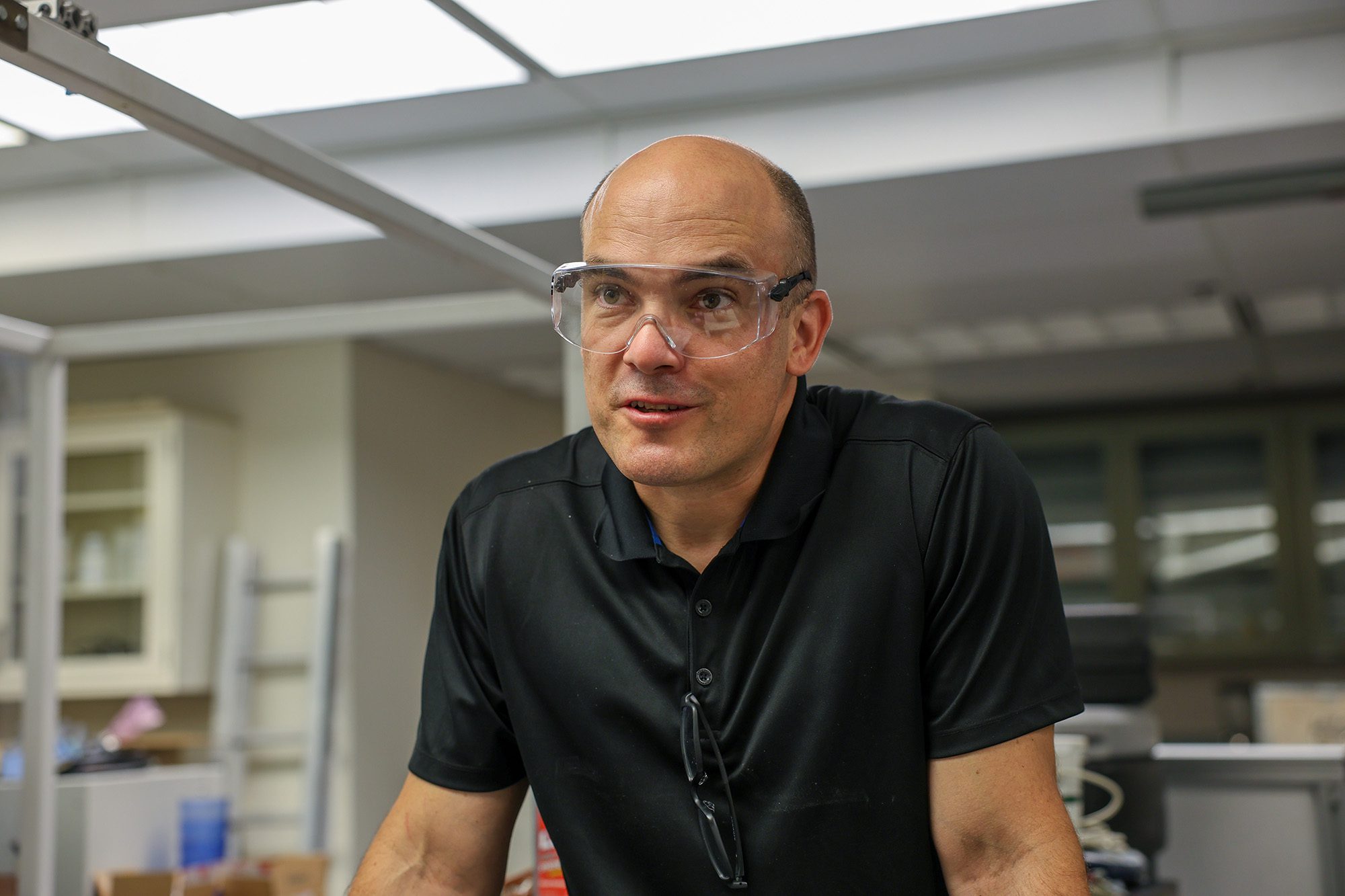
Cornell’s living laboratory for energy innovation is more than a concept—it’s a community. Together, we can turn bold ideas into impactful solutions—and create a sustainable world for generations to come.
-
Students
Explore research and hands-on opportunities in clean energy.
-
Alumni
Connect with startups, support innovation, or mentor student teams.
-
Donors
Help Cornell expand its capacity to lead in energy transitions.
Contacts
-
![Joe Rogan]()
- Carpenter Hall, Room 258
- 607-254-6702
- jfr229@cornell.edu
-
![Patrick Govang]()
- Kimball Hall
- pjg26@cornell.edu
-
![Tobias Hanrath]()
Croll Professor in Engineering
- Olin Hall, Room 250A
- tobias.hanrath@cornell.edu
- Hanrath Group