Dear Alumni and Friends,
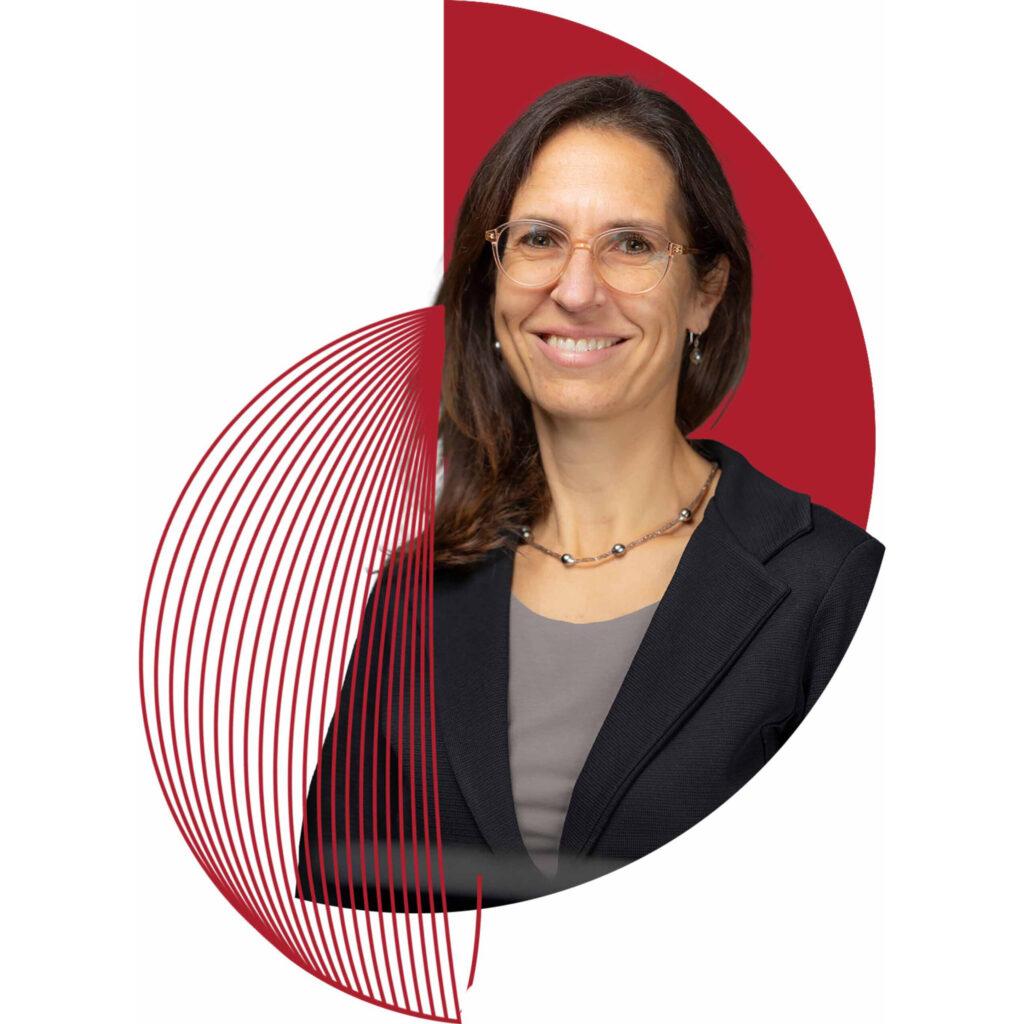
At the Meinig School of Biomedical Engineering, our mission is to educate students to understand the human body through engineering and to conduct pioneering research that advances human health. This year, that mission has come into sharper focus as we advance strategic priorities that connect high-impact research with translation, deepen collaborations between engineering and medicine, expand experiential learning and strengthen our community.
Our faculty and students are pursuing research that addresses complex health challenges, from new approaches to cancer treatment and regenerative medicine to engineered models that illuminate reproductive health and disease. Our growing focus on women’s health, including through the Menopause Health Engineering initiative, reflects our commitment to applying engineering to areas of medicine that have long been overlooked and translating discoveries into meaningful health impact.
We are also investing in new pathways to connect biomedical engineering research with clinical practice. The expansion of Engineering Innovations in Medicine is creating new opportunities to leverage the complementary strengths of Cornell Duffield Engineering and Weill Cornell Medicine, bringing engineers and clinicians together to advance research, education and translation. At the same time, the endowment of the Michael Shuler Biomedical Engineering Clinical Immersion Program by Beckie and Neil Robertson is strengthening an important bridge between our students and the clinical environment, giving undergraduates firsthand experience identifying challenges in patient care and translating them into engineering solutions.
These investments reflect our commitment to experiential learning across the Meinig School. Whether through clinical immersion, hands-on design, industry engagement, research or new approaches to engineering education, we want our students to learn by applying their knowledge to real-world problems and working alongside the people who will ultimately use, advance and benefit from their solutions.
Underlying all of these priorities is the strength of our community. Students learn from faculty and one another, as well as from clinicians, industry partners, alumni and the communities we serve. By bringing these perspectives together, we are creating an environment where collaboration can accelerate discovery, expand opportunity and help move biomedical engineering from the laboratory into the world.
I am deeply grateful to our faculty, students, staff, alumni and partners for the creativity, collaboration and dedication they bring to this work. Together, we are engineering better health and shaping the future of biomedical engineering.
Claudia Fischbach-Teschl
James M. and Marsha McCormick
Director of Biomedical Engineering
Stanley Bryer 1946 Professor of Biomedical Engineering