Engineering Better Health
A Transformative Year for Cornell Biomedical Engineering
By The Numbers
Meinig School Facts at a Glance 2026
-
Students & Postdocs
- 62 Undergraduates, class of 2026
- 52 M.Eng. students
- 1113 Ph.D. students
- 27 Postdocs
-
Research
- 125 new publications
- $842,745 per FTE Annual Research Expenditures (fiscal year 2025)
- $19.45 M in 2024/25 (fiscal year 2025)
- 196 total patents
-
Personnel
- 25 faculty
- 5 lecturers
- 17 AIMBE fellows
- 6 BMES fellows
- 4 AAAS fellows
- 5 National Academy members
- 11 endowed faculty fellows and chairs
Conducting High-Impact, Translational Research
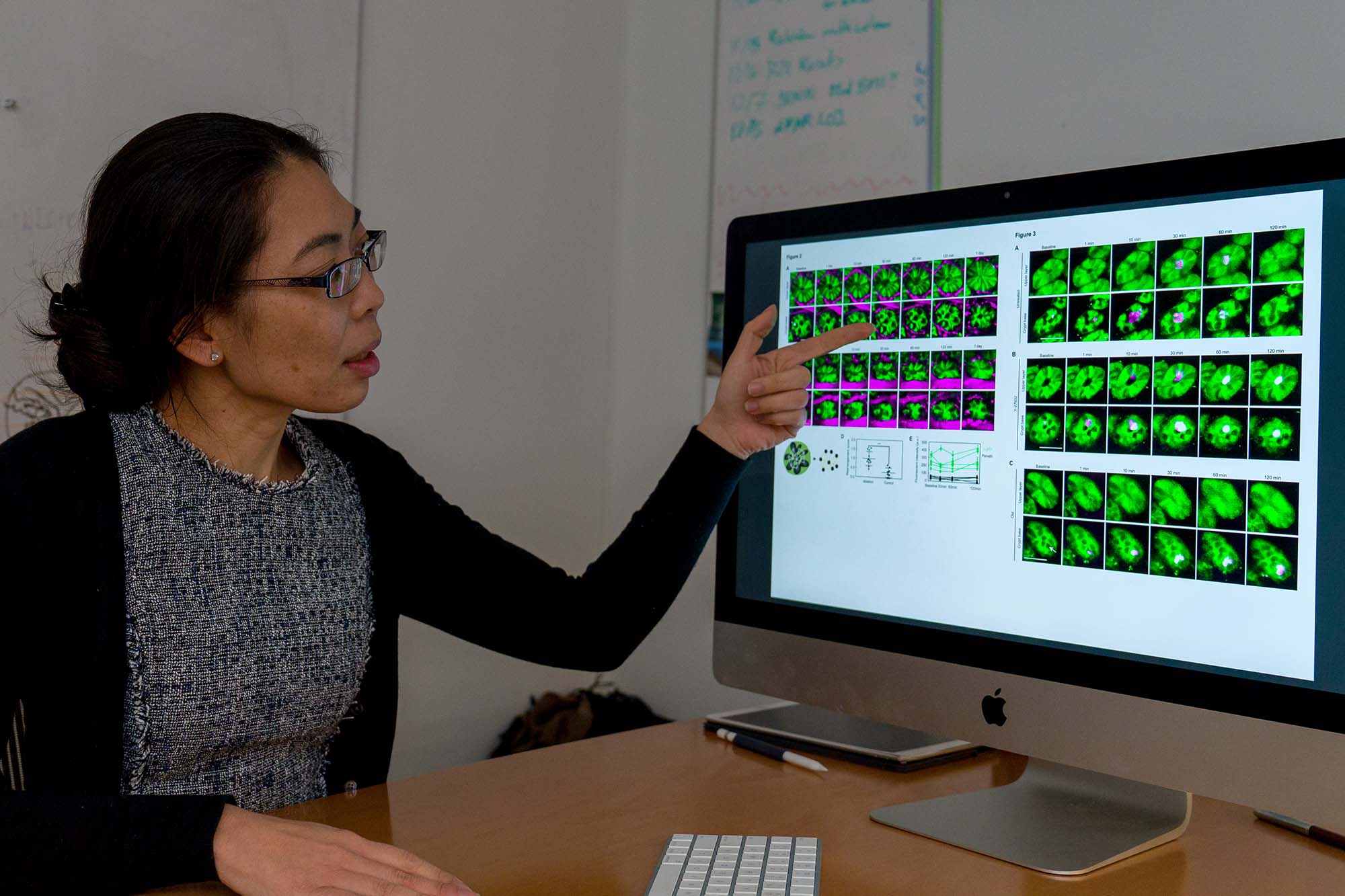
From new cancer therapies and regenerative medicine to reproductive health and bioengineered models of disease, Meinig School researchers are pursuing high-impact research with the potential to improve human health. Increasingly, that work extends beyond discovery to the translation of engineering advances into technologies, treatments and companies.
-
![Brain imaging]()
A dose of psilocybin, a dash of rabies point to treatment for depression
An international collaboration led by Cornell researchers used a combination of psilocybin and the rabies virus to map how – and where – the psychedelic compound rewires the connections in the brain.
-
![]()
Kanvas Biosciences raises $48 million to advance microbiome cancer therapies
Kanvas Biosciences announced a $48 million Series A funding round, which will support a clinical trial later this year for the company’s lead cancer immunotherapy treatment.
-
![CATalyzing panel]()
Cornell CAT convenes researchers, industry to accelerate life sciences innovation
At a daylong event designed to promote academic-industry collaboration, Cornell’s Center for Advanced Technology in Life Science Enterprise cast itself as both a funder of early-stage research and catalyst accelerating connections that move discoveries foward.


Engineering Women’s Health
-
![]()
Gift will advance Duffield Engineering-led menopause research
A $1.2 million gift from Michael J. Kelly ’92 and Kristin Miljus Kelly will accelerate Menopause Health Engineering, an emerging research effort led by the Cornell Duffield College of Engineering.
-
![]()
New course examines engineering challenges, opportunities in women’s health
A new Duffield Engineering biomedical engineering course will challenge students to investigate real-world failures in women’s health technologies and identify opportunities for better design.

Advancing Research and Education Through Collaboration
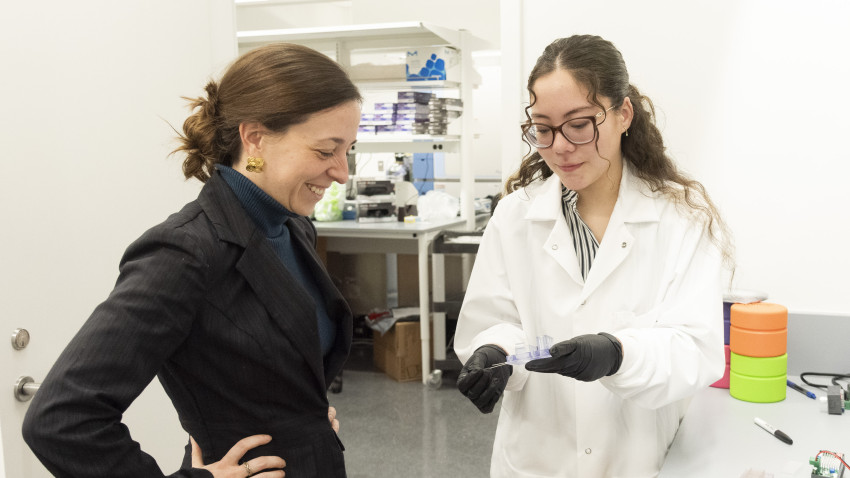
Biomedical engineering increasingly sits at the intersection of engineering, medicine and the life sciences. Through Engineering Innovations in Medicine, collaborations with Weill Cornell Medicine and other partners, the Meinig School is creating new opportunities to connect research, clinical insight and education.
-
![]()
Investment of up to $7.25M will advance Engineering Innovations in Medicine
The Cornell Duffield College of Engineering will accelerate its Engineering Innovations in Medicine initiative, which aims to revolutionize how biomedical data is acquired, computed, and translated into impact.
-
![]()
Robertsons champion real-world learning through Shuler clinical immersion program
Inspired by the hands-on experiences that shaped their own careers, Beckie Robertson ’82 and Neil Robertson ’82 have endowed the Michael Shuler Clinical Immersion Program in Biomedical Engineering, ensuring future Cornell students gain firsthand exposure to patient care and clinical problem-solving.
In the News


Expanding Experiential Learning
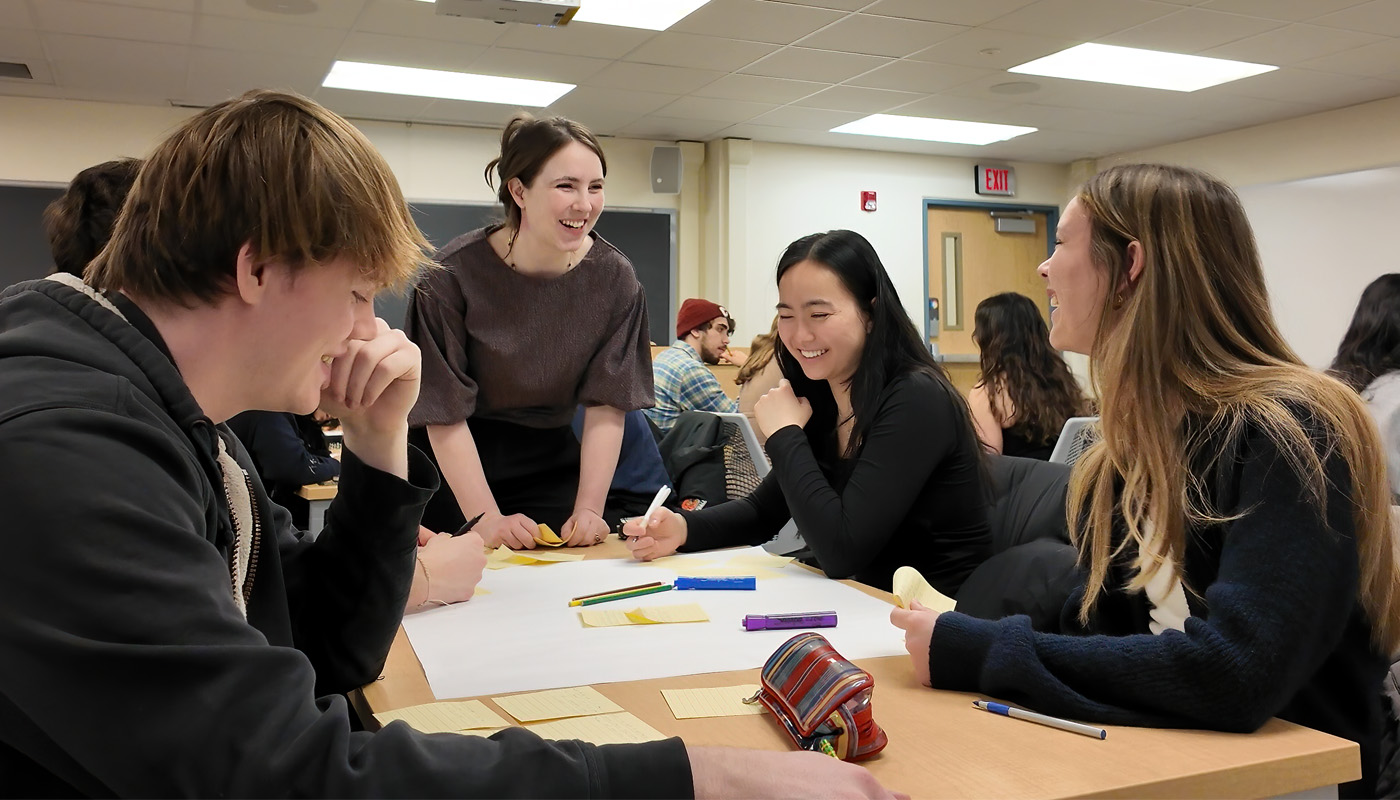
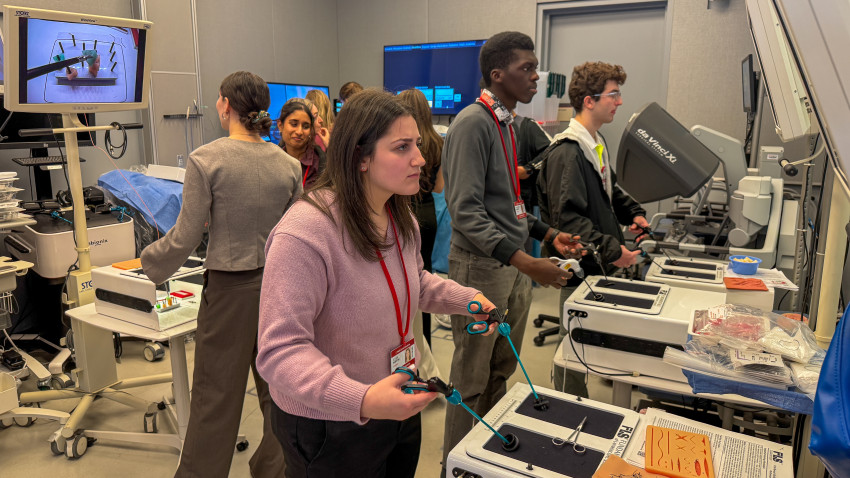
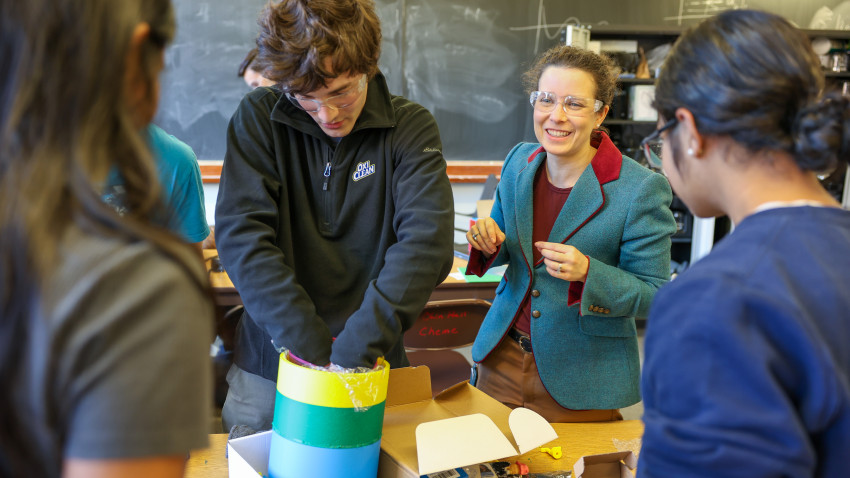
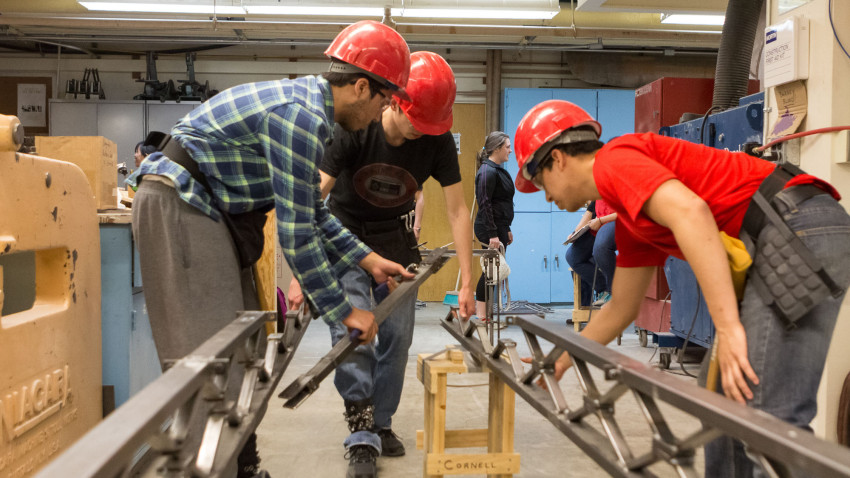
The Meinig School is giving students more opportunities to apply what they learn in classrooms and laboratories to real-world problems. Clinical immersion, project-based learning, industry engagement, science policy and community-based experiences help students develop the skills to work across disciplines and understand the broader context of engineering.
-
![]()
Revolutionizing engineering education: The rise of a new research pillar
Cornell Engineering is rapidly becoming a leader in engineering education research, a field dedicated to designing effective education systems and learning experiences for students. The insights emerging from this work have the potential to redefine engineering education on campus and far outside it.
-
![]()
NSF grant aims to rethink how engineering students learn teamwork
A new National Science Foundation grant awarded to the Cornell Duffield College of Engineering aims to develop a more systematic approach to teaching teamwork by helping instructors identify what they want students to learn from team experiences.
-
![]()
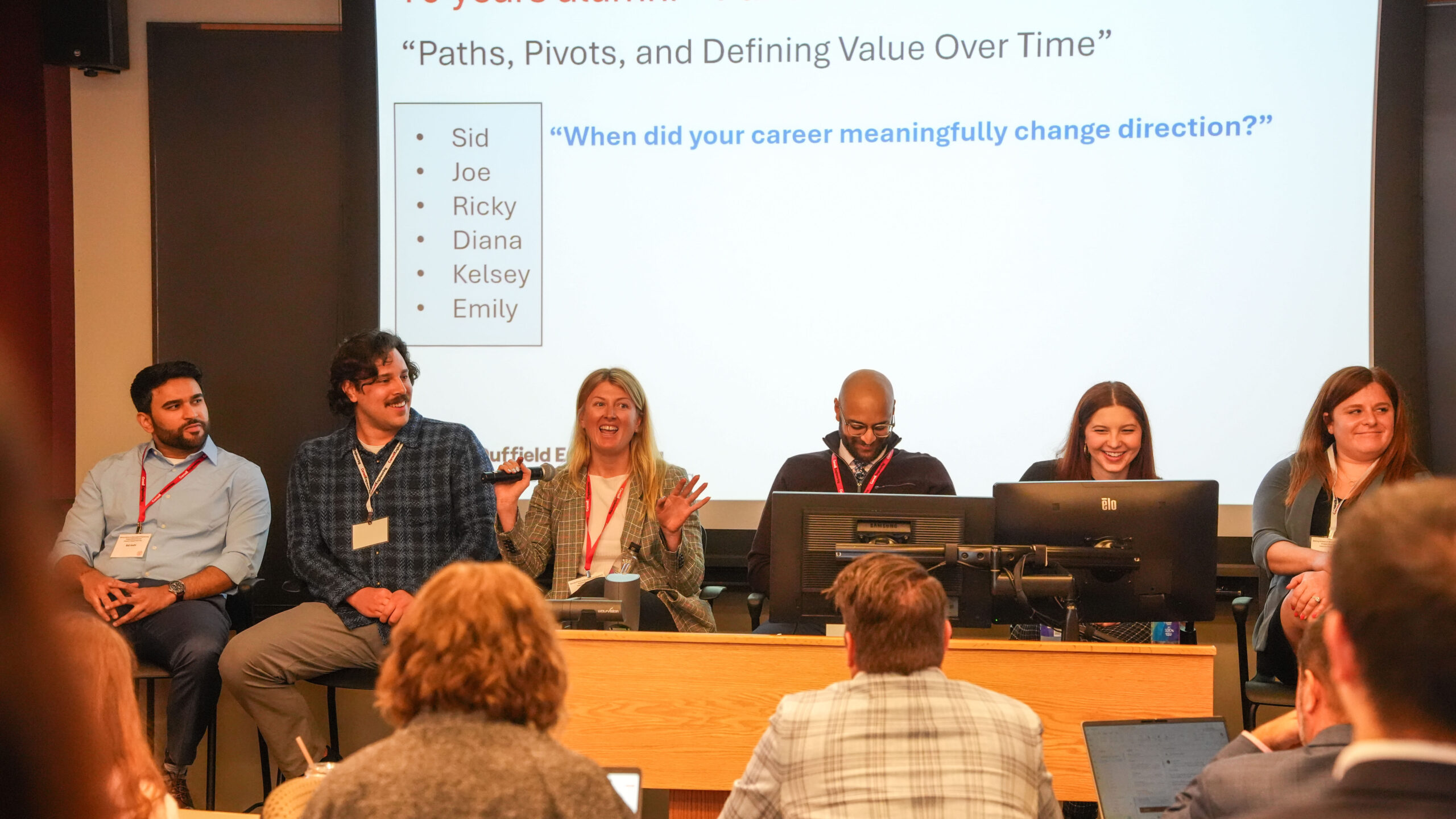
Biomedical M.Eng. students showcase healthcare innovation
Student teams presented solutions spanning medical devices, digital health, biotechnology, and women’s health while connecting with industry leaders and alumni at the Meinig School’s annual Industry Engagement Day and Project Showcase.
-
![]()
Undergraduate bridges classroom learning and clinical practice through senior design project
Undergraduate senior Marcus Gamboa is developing innovative surgical training technology that brings real-time feedback and measurable outcomes to improve how future clinicians learn and practice.

-
![Four Cornell students stand on the steps in front of the Capitol]()
Doctoral students engage in advocacy
Nearly a dozen doctoral students practiced their research communication skills this spring through legislative opportunities in Washington, D.C.
-
![]()
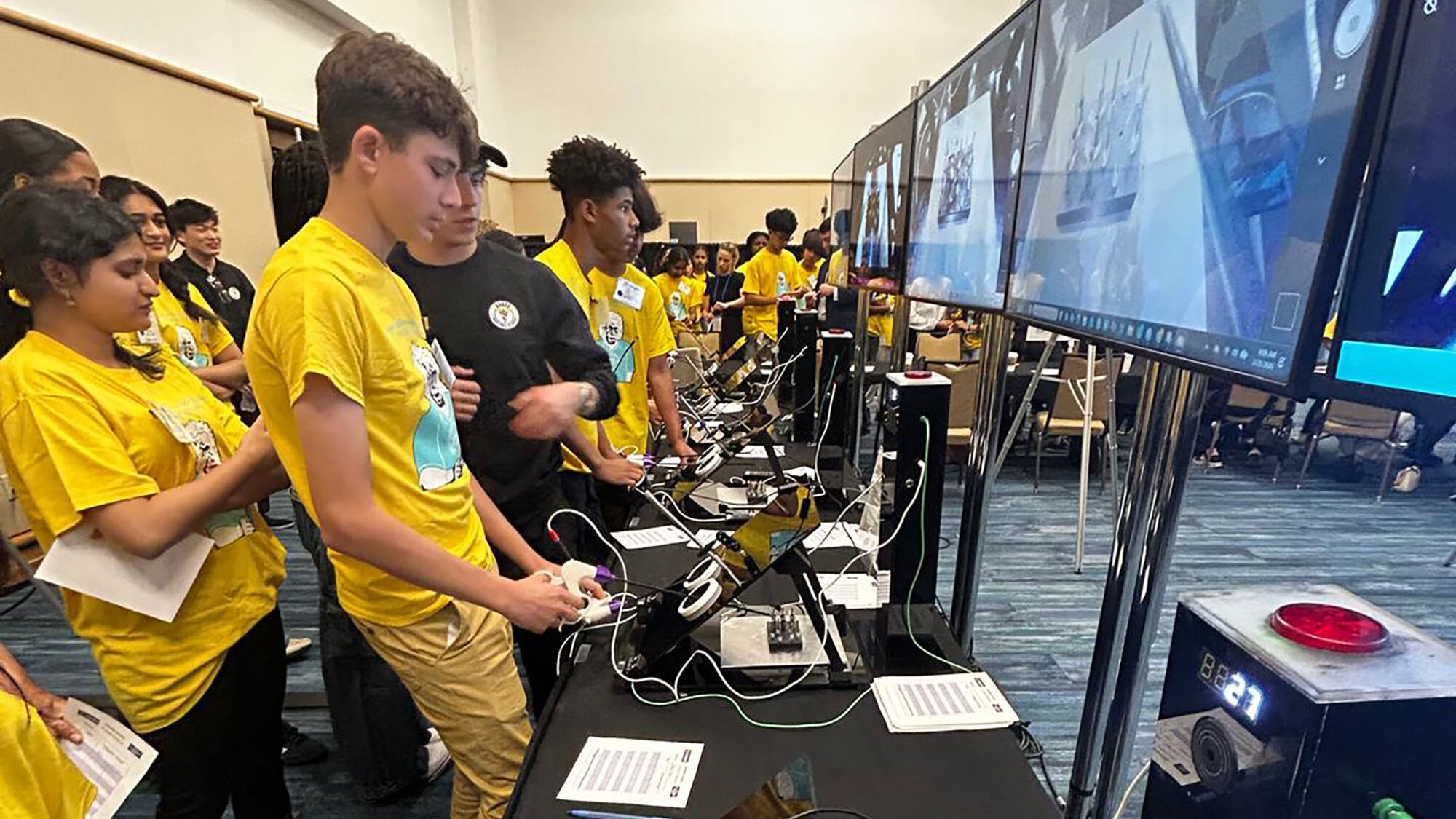
Top Gun Surgical at Cornell advances innovative surgical training
Cornell students in the Top Gun Surgical program are developing interactive, game-like surgical training tools that introduce laparoscopic skills early and have been shown to boost STEM interest, performance, and learning outcomes.

Community
The Meinig School’s impact depends on the people who make up its community: students, faculty, staff, alumni, partners and the broader communities with whom we engage. Community building also means creating opportunities for mentorship, outreach, connection and a sense of belonging.
Mentorship and Outreach
-
![]()
New program centers mentorship, culture in research groups
Cornell Engineering faculty and students gathered Dec. 18 in Upson Hall to celebrate the first participants to complete Radical Humanity in Research, a new program designed to strengthen the human foundations of high-impact research.
-
![]()
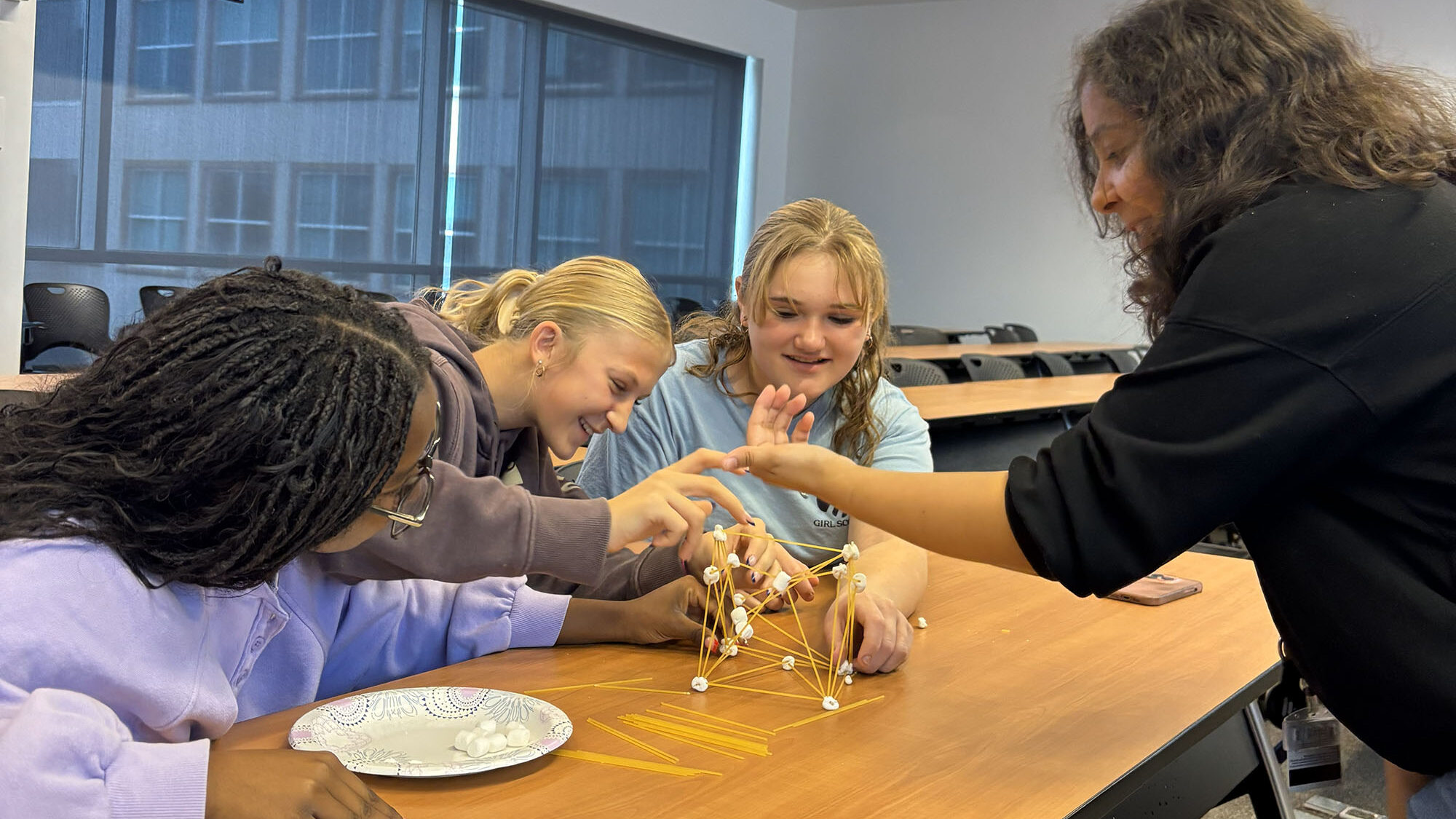
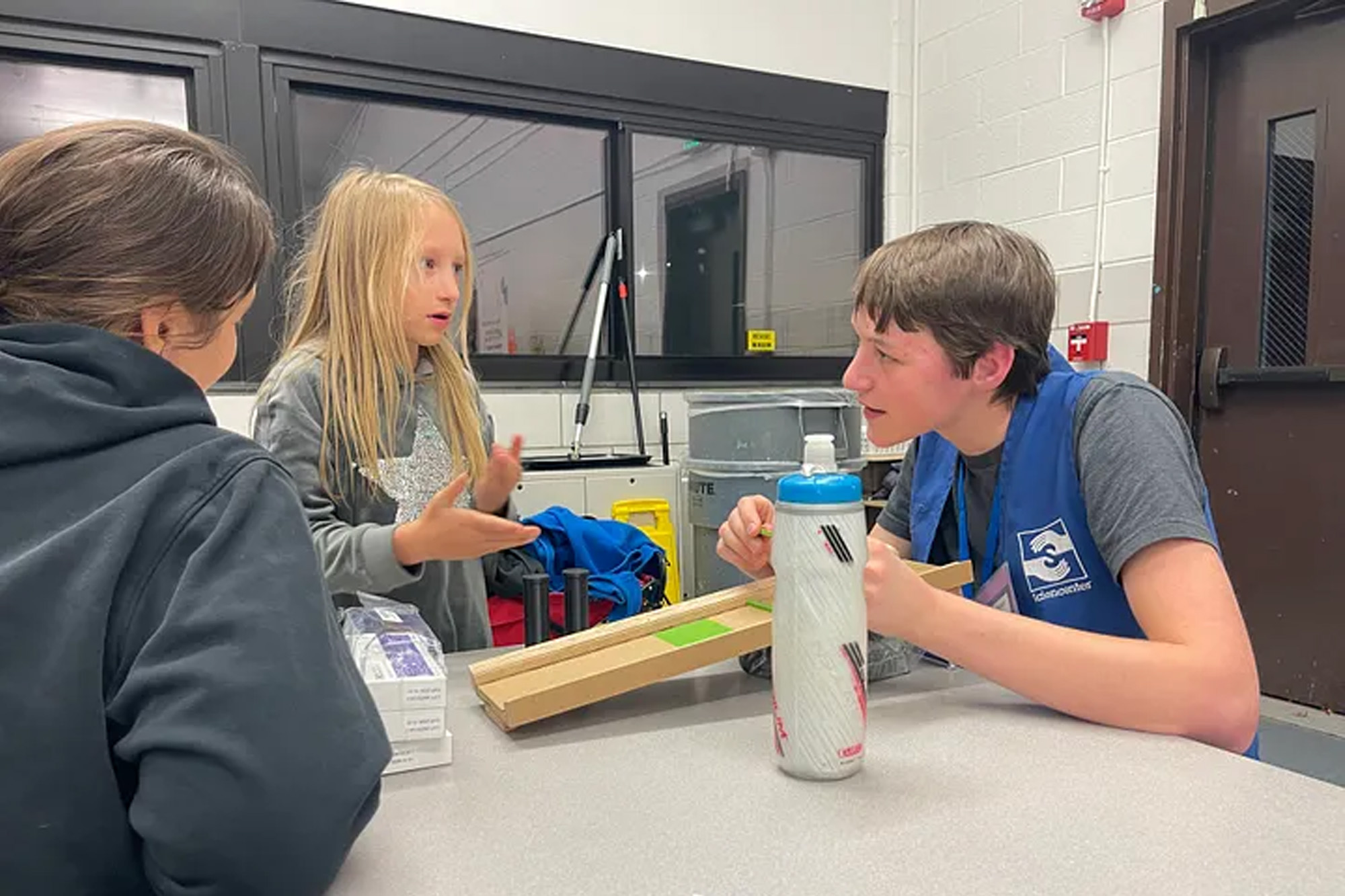
Girl Scouts dive into STEM at Cornell’s fall engineering day
More than 130 Girl Scouts visited Cornell this fall for a day of hands-on experiments and engineering exploration, hosted by the Graduate Chapter of the Biomedical Engineering Society.
-
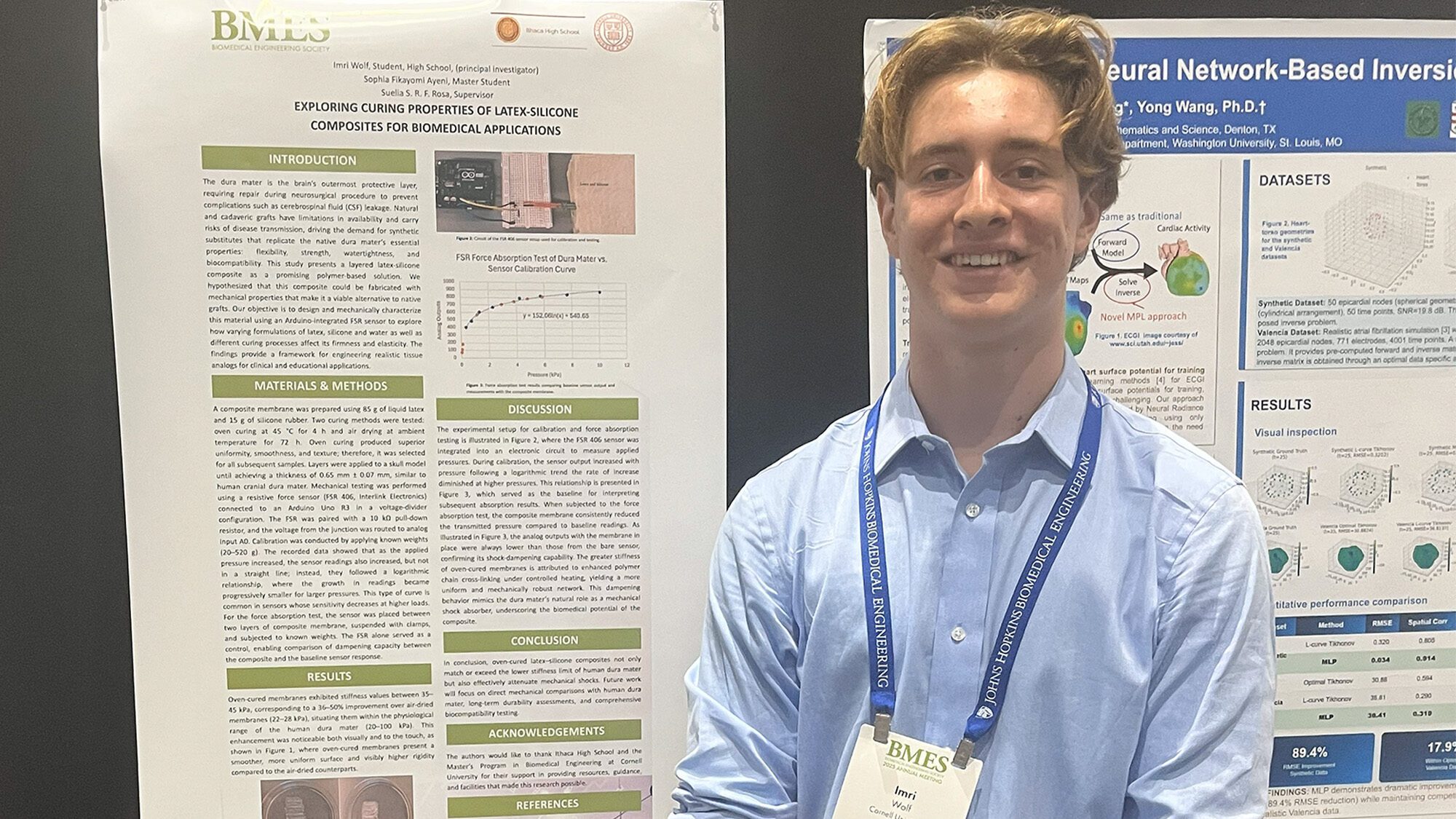
![Imri Wolf stands in front of poster presentation]()
Cornell biomedical engineering fosters local talent through high school research internship
Ithaca High School junior Imri Wolf attended the biomedical engineering society’s annual conference in San Diego, California to present a poster on research performed in an internship at Cornell biomedical engineering this past summer.
-
![Students perform a wet aggregate stability experiment as part of STEAMpact’s Comunidade Ubunye project in Angola.]()
Grad student ignites a passion for science in Angolan youth
Doctoral student Cátia Dombaxe is bringing badly needed practical science education to impoverished areas of Angola through the STEAMpact Foundation, a nonprofit she founded in 2024.

-
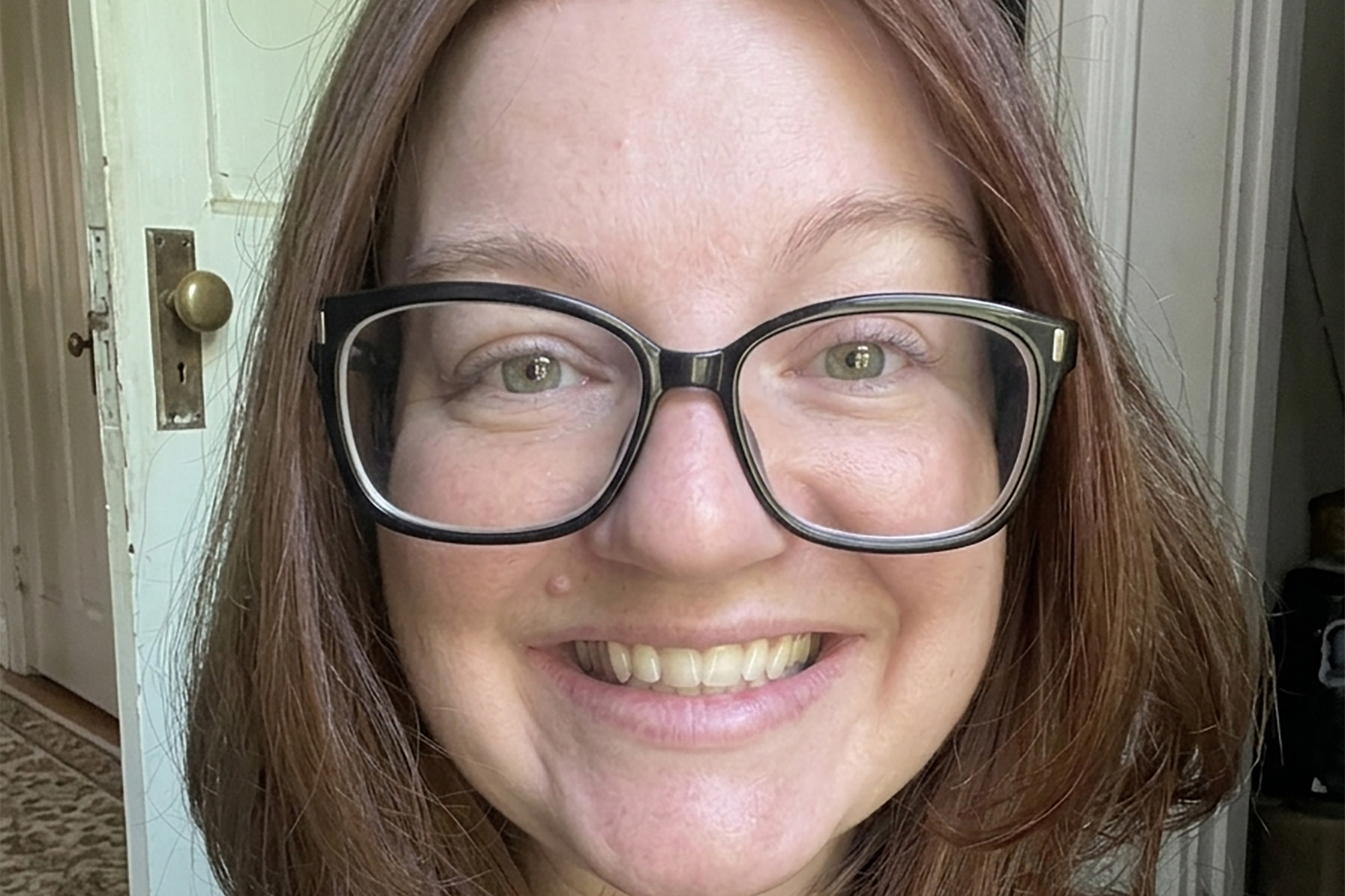
![Meagan Russell]()
Welcome Meagan Russell
Drawing on her experience in student support, higher education and community engagement, Meagan Russell will support biomedical engineering M.Eng. students throughout their journey from recruitment through graduation.
-
![Yadong Wang hooding Cátia P. Dombaxe at Ph.D. commencement hooding ceremony 2026]()
Commencement
Visit our commencement page for links to photos from the event held Saturday, May 23rd in the Weill Hall courtyard.
-
![Gold trophy on a blue background.]()
Awards and Honors
Listing of faculty, staff, postdocs, graduate and undergraduate student and alumni awards and achievements.


Students
-
![]()
For Maddie Slavett, Cornell transformed clinical exposure into surgical impact
M.Eng. student Maddie Slavett blends mechanical engineering, clinical insight, and human-centered design at Cornell to develop realistic anatomical training models that aim to improve surgical education and patient care.
-
![]()
For Emma Weiss, biomechanics is a mission to restore movement and improve lives
Undergraduate Emma Weiss’s passion for biomechanics, award-winning medical device design, and dedicated leadership in the biomedical community are all driven by a commitment to improving patient mobility and care.
-
![Jeremiah and his current undergraduate mentees enjoying time together outside their lab in Olin Hall. Left to right Stephanie Fingerman (chemical engineering, junior); Jeremiah James; Lydia Lehkal (chemical engineering, Junior); Emma Leung (biomedical engineering junior)]()
For Jeremiah James, reshaping polymer particles means reshaping possibilities
Ph.D. student Jeremiah James explains how discovering new ways to engineer polymer particle shapes is paving the way for more precise, scalable healthcare solutions.


Alumni
-
![2016 biomedical engineering M.Eng. alumni stand together outside at a Cayuga Lake Winery.]()
M.Eng. Class of 2016 – 10 Year Reunion
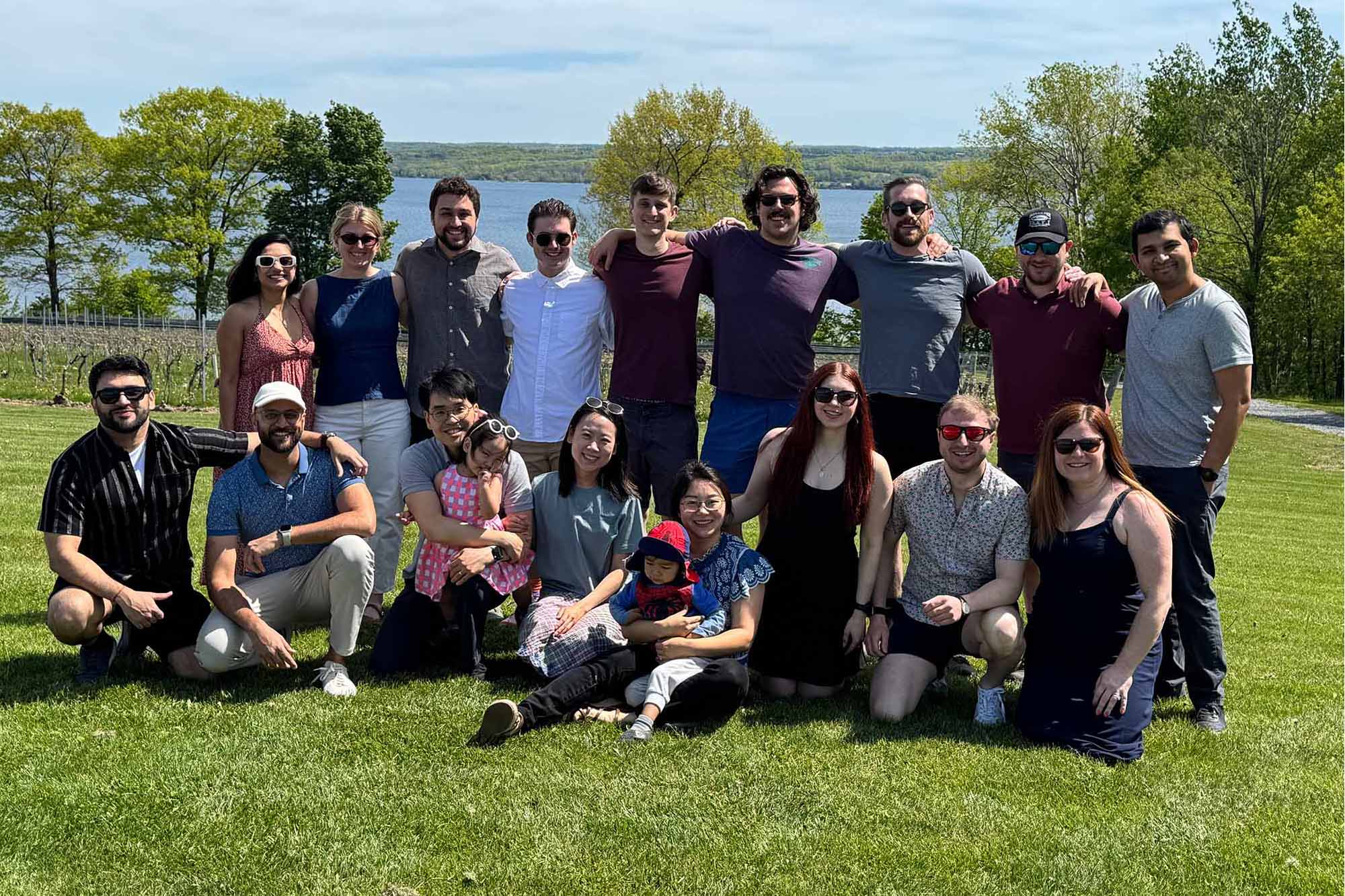
Members of the 2016 cohort of biomedical engineering Master of Engineering (M.Eng.) alumni returned to campus for their 10-year reunion, they gathered alongside the next generation of students at the program’s annual M.Eng. Industry Day.
-
![Michelle Walther]()
Building a Career on Curiosity and Collaboration
Michelle Walther: An alumni perspective on how a Cornell biomedical engineering education can shape a career.