Page Contents
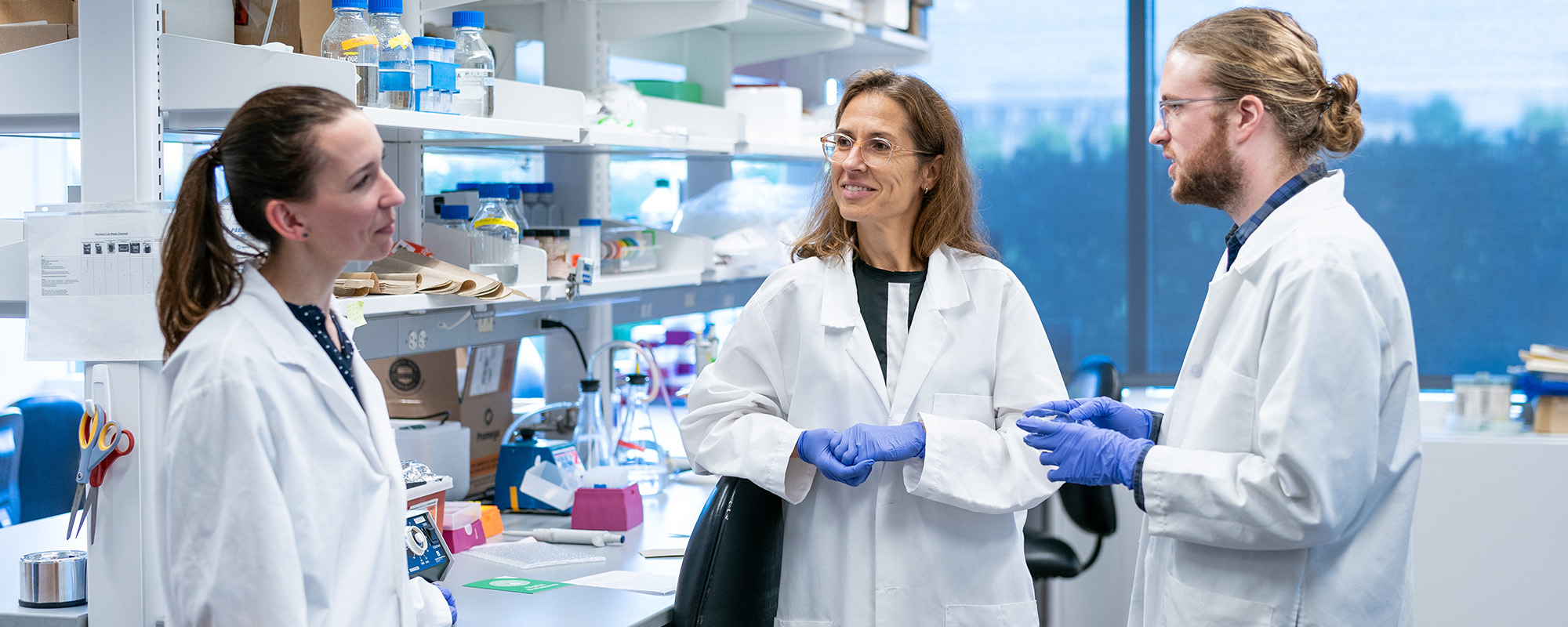
The Master of Science (M.S.) in Biomedical Engineering is a research-focused program designed to help you build advanced expertise and make meaningful contributions to human health. You’ll develop skills in multiscale quantitative analysis and engineering design while working at the intersection of engineering and the life sciences.
The program prepares you for careers across industry, academia, and government, supported by both coursework and professional development opportunities. Compared to the Ph.D., the M.S. offers a more streamlined curriculum with fewer course requirements, allowing you to focus on your research and academic goals.
Research
As an M.S. student, you will gain hands-on experience conducting independent research. You’ll complete a master’s thesis under the guidance of a faculty advisor within the Cornell University Graduate Field of Biomedical Engineering, supported by a special committee. You’ll work in a highly collaborative, interdisciplinary environment, engaging with faculty across multiple colleges as well as partners at Weill Cornell Medicine and Cornell Tech. This structure gives you access to a wide range of expertise, facilities, and research opportunities.
Research Areas
Faculty span several core research areas, allowing you to explore and specialize in topics aligned with your interests while contributing to innovative, real-world biomedical solutions.
-
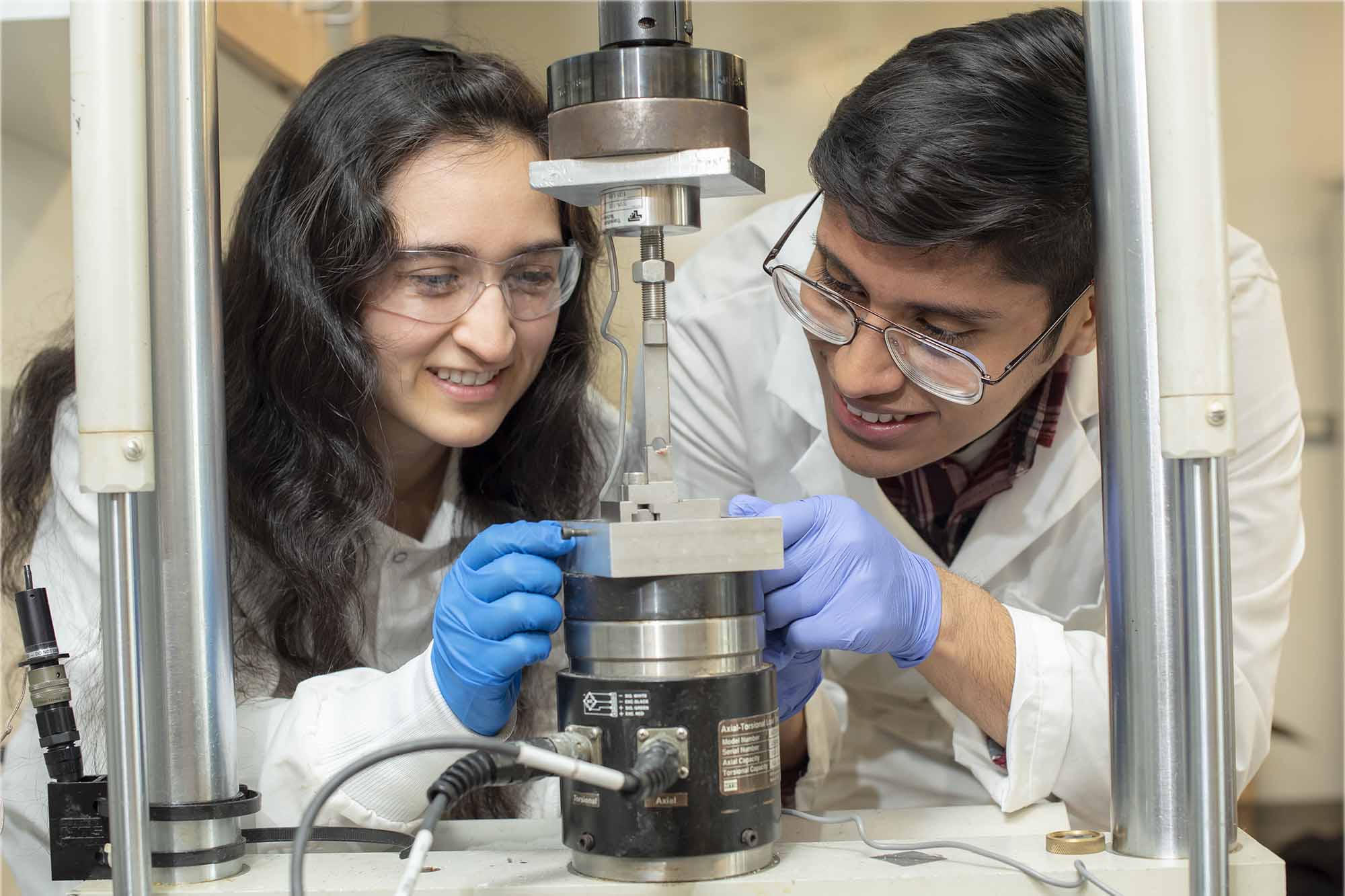
![Two students in white lab coats and protective goggles examine a piece of equipment in the biomechanics lab]()
Biomechanics and Mechanobiology
Investigating mechanical forces in physiological and disease processes.
-
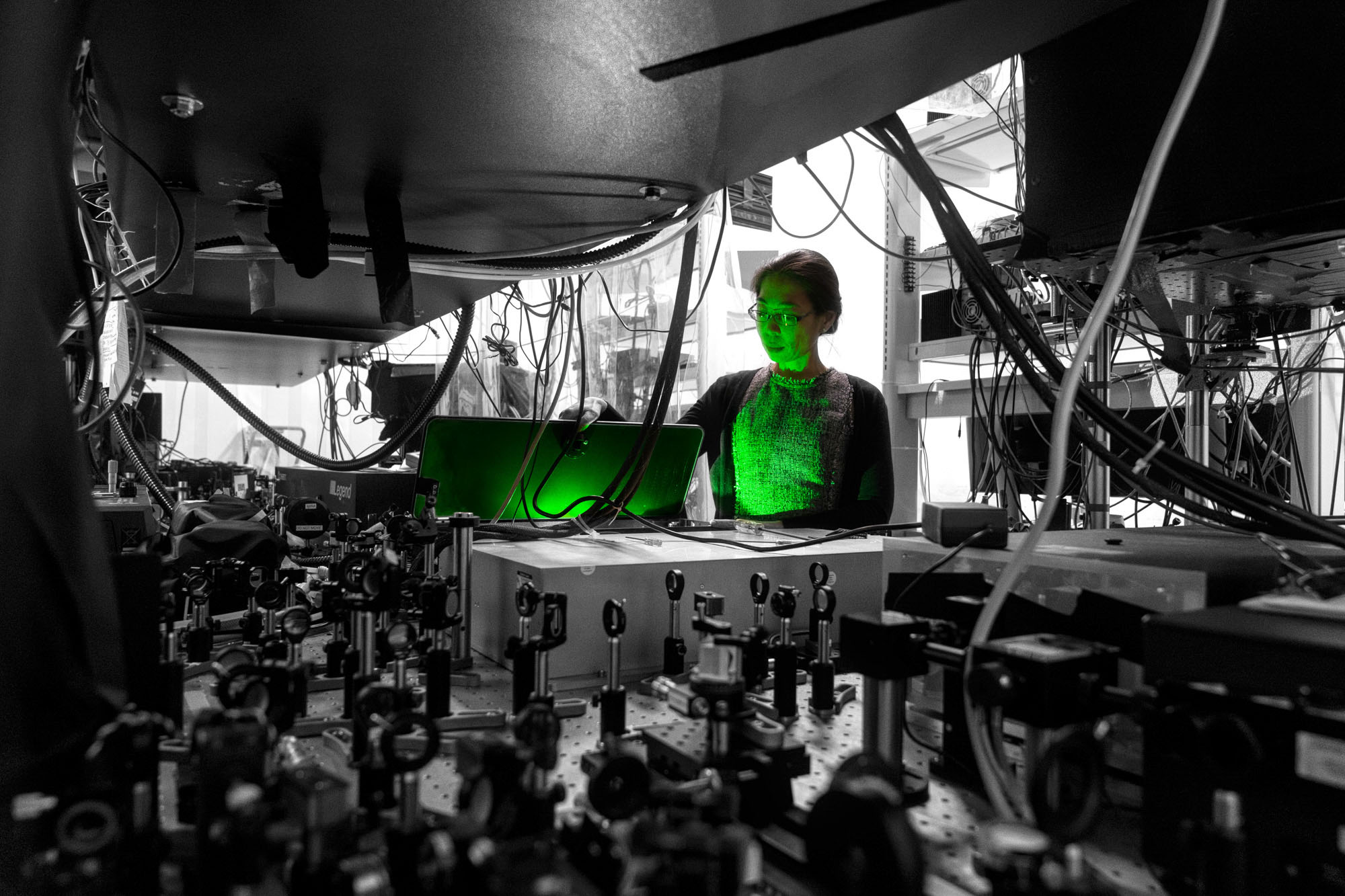
![Professor Nozomi Nishimura conducts an experiment as green light reflects off her in the Schaffer-Nishimura lab.]()
Biomedical Imaging and Instrumentation
Developing imaging technologies and instruments.
-
![clinical biomedical imaging brain scan images]()
Clinical Biomedical Imaging
Developing imaging technologies to improve patient care.
-
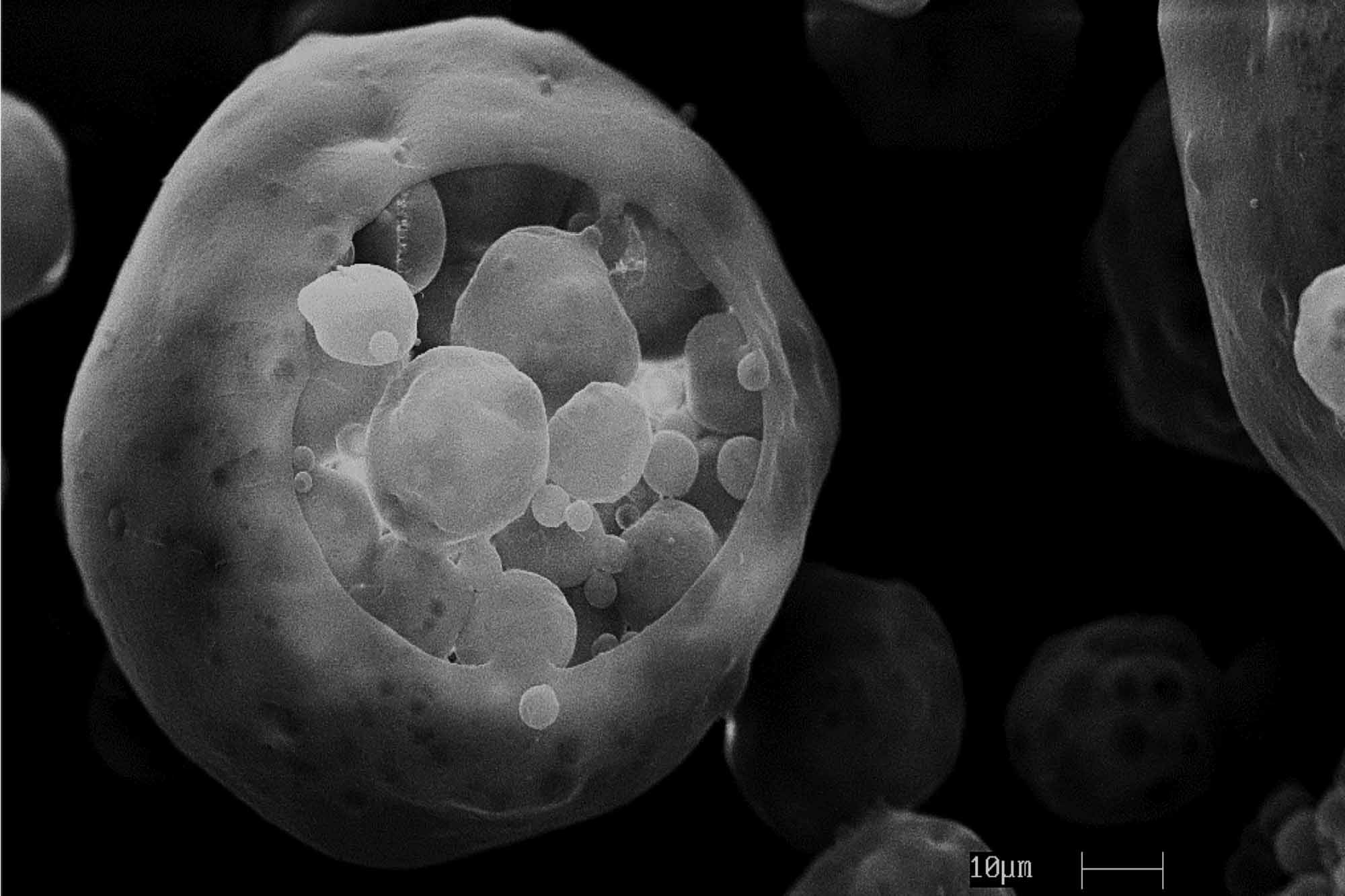
![scanning electron microscope of outer membrane vesicles used for drug delivery]()
Drug Delivery and Nanomedicine
Designing systems to deliver medicines and measure their effects.
-
![Fischbach-primary osteoclasts on glass]()
Molecular and Cellular Engineering
Applying engineering to cell and molecular biology approaches to identify novel disease therapies.
-
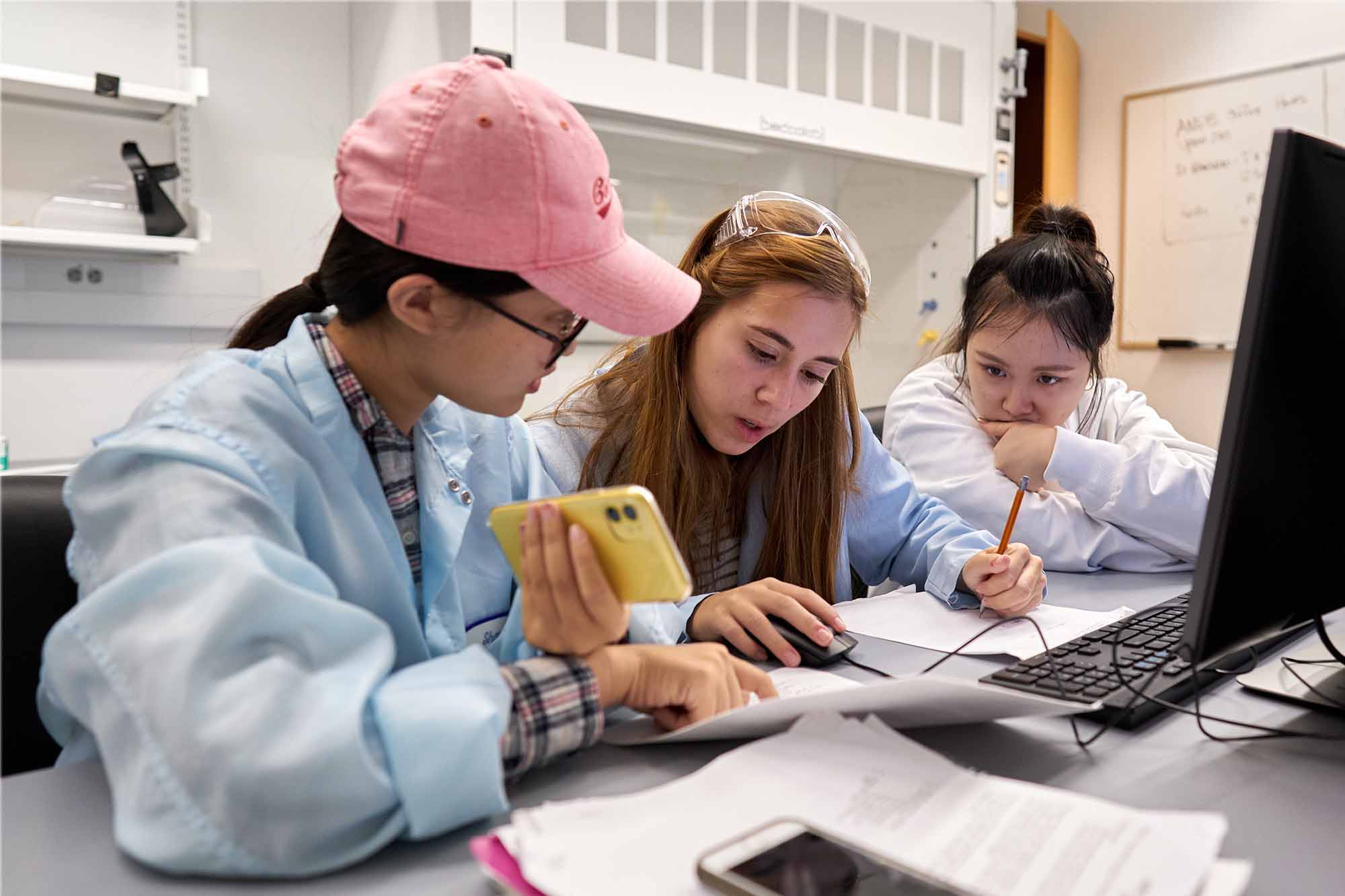
![Undergraduate students work together in lab with computers and calculators]()
Engineering Education Research
Studying education systems to define, inform and improve the education of engineers.
-
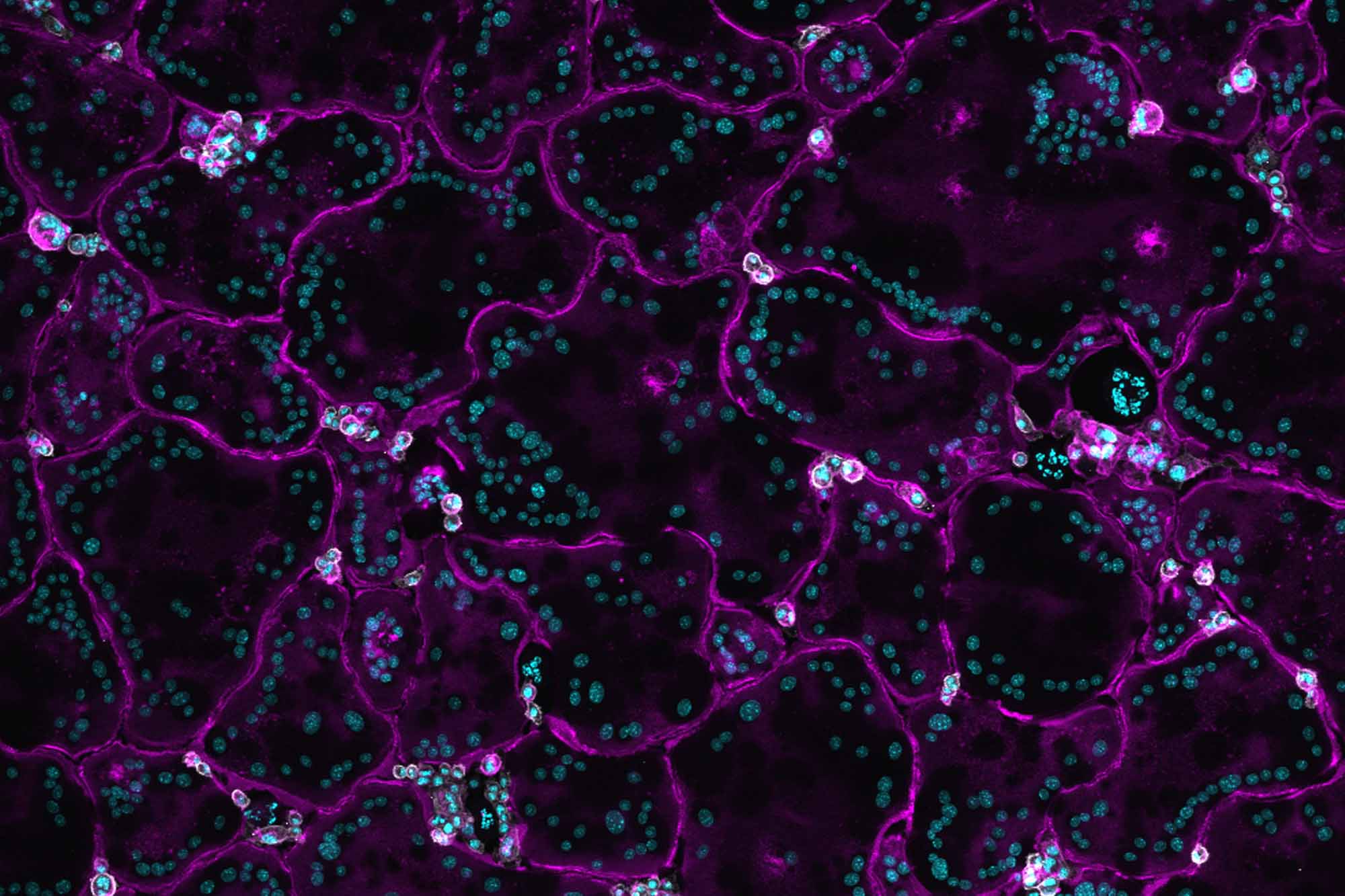
![Systems and Synthetic Biology imaging of human heart De Vlaminck Lab]()
Systems and Synthetic Biology
Integrating experimental, modeling, and engineering approaches to dissect complex cellular phenomena at the network-scale.
-
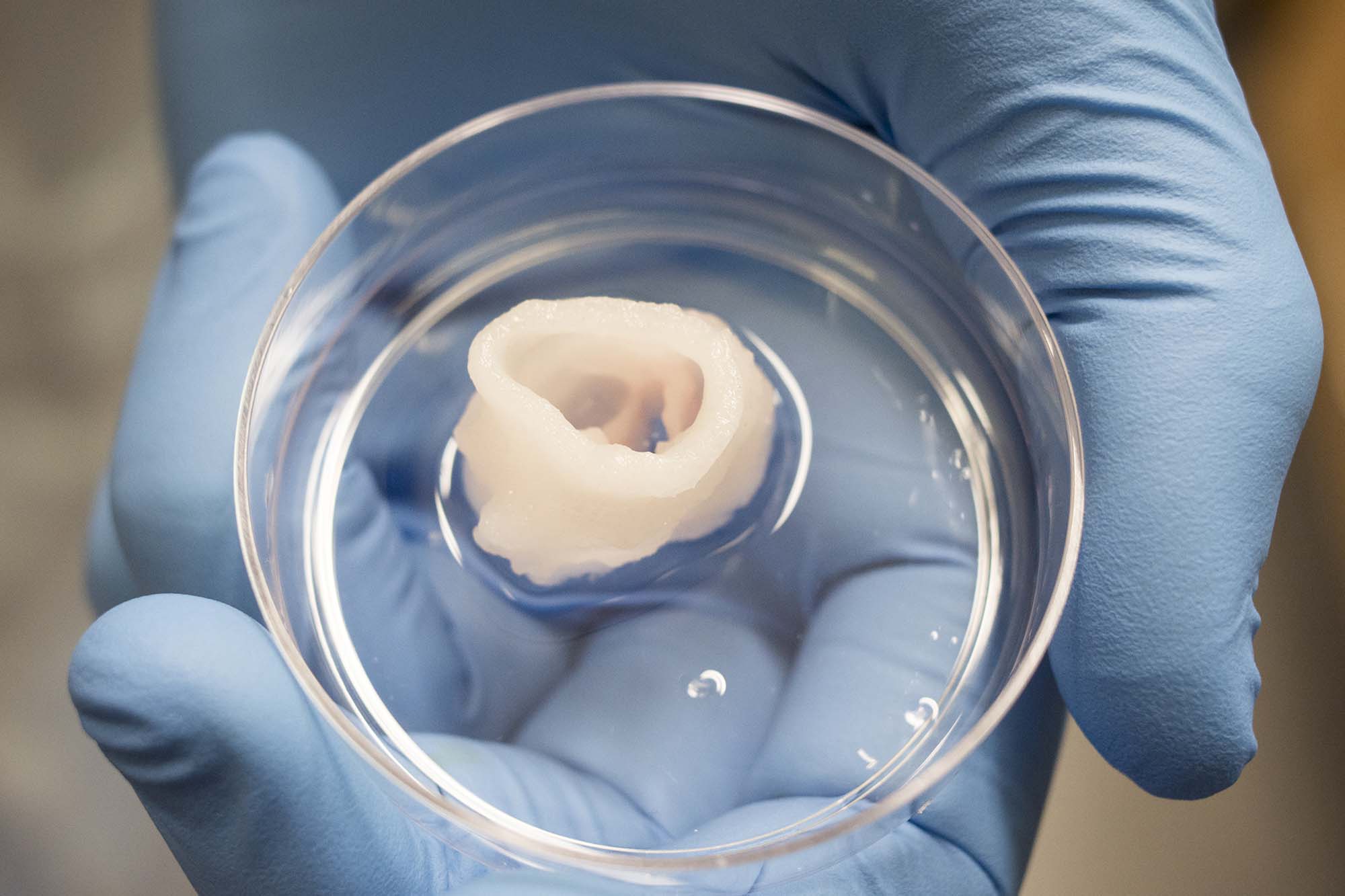
![3d printed heart valve in glass petri dish in gloved hand.]()
Tissue Engineering and Biomaterials
Developing strategies for tissue recreation and modeling systems for research or drug testing.


Special Committee
You select a special committee of faculty to supervise your academic progress. This committee helps you tailor the program to your interests, merging traditional disciplines. At a minimum, master’s students must select one faculty member to represent the chair of their committee and a second member to represent their minor subject. Master’s degree students must complete their special committee selection by the end of the second semester.
Visit the Cornell Graduate School page on nominating your chair and special committee for additional information.
M.S. Program Contacts
-
Graduate Student Services Coordinator – M.S. Program
Belinda Ann Whisman
Weill Hall, Room 121A
607-255-2573
ga.biomedgrad@cornell.edu