Message From the Director
During the past year, the School of Applied and Engineering Physics has continued to perform strongly, earning recognition both within Cornell and from the broader scientific and engineering community. Our faculty, students, and staff have received a range of internal and external awards that reflect our school’s excellence, impact, and growing visibility. Some of these achievements are highlighted in this issue.
The past year also brought its share of challenges. Like much of U.S. higher education, our school experienced a turbulent 2025, marked by uncertainty and rapid change. Through it all, our school demonstrated resilience and cohesion, and we are now seeing clear signs of renewed momentum. We deeply appreciate the strong engagement and support across our community, and we are confident in the future direction of our school.
This optimism is further strengthened by an important change within the college. Cornell Engineering is now the Cornell Duffield College of Engineering, following the largest gift in Cornell’s history. This transformative investment is enabling a wide range of exciting new initiatives, creating fresh opportunities for research, teaching, collaboration, and impact across engineering. The School of Applied and Engineering Physics is well positioned to play a leading role in this next chapter.
None of this would be possible without the unwavering support of our alumni. Your loyalty and generosity continue to energize our faculty and inspire our students. We are deeply grateful for your support. As always, I welcome hearing from you and invite you to reach out at any time.
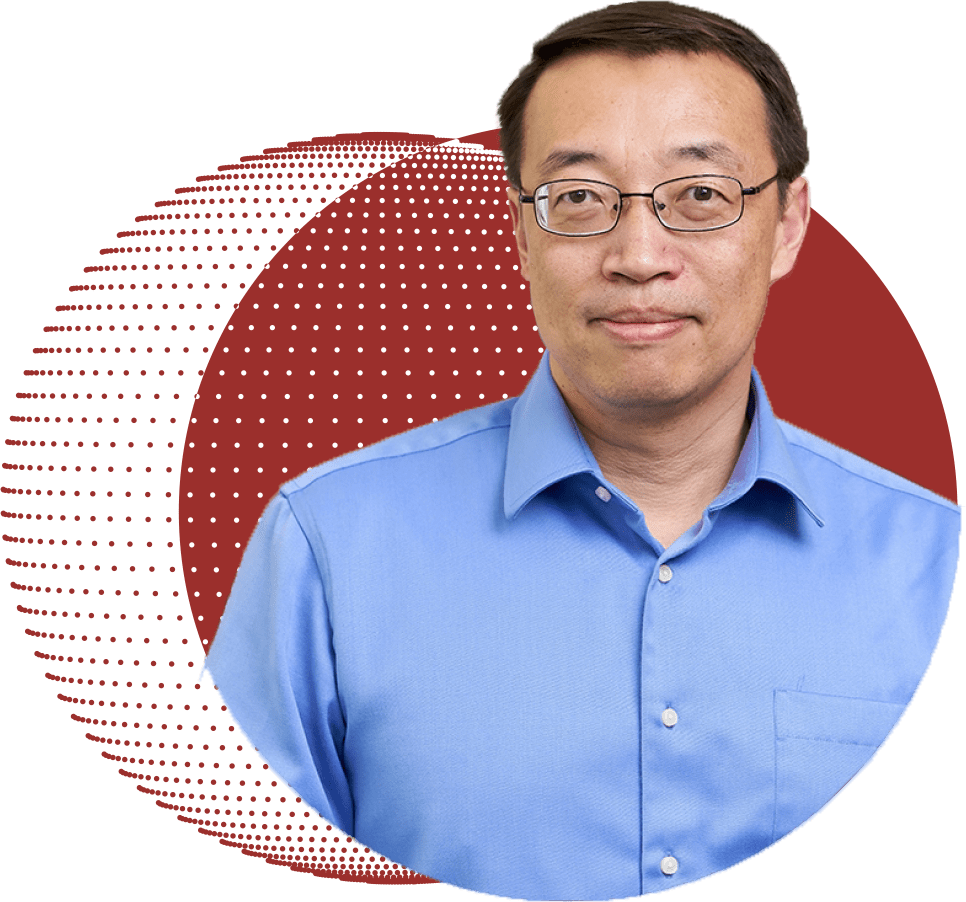
Chris Xu
IBM Chair Professor of Engineering
Director, School of Applied and Engineering Physics
Mong Family Foundation Director, Cornell Neurotech–Engineering
Alumni News
-
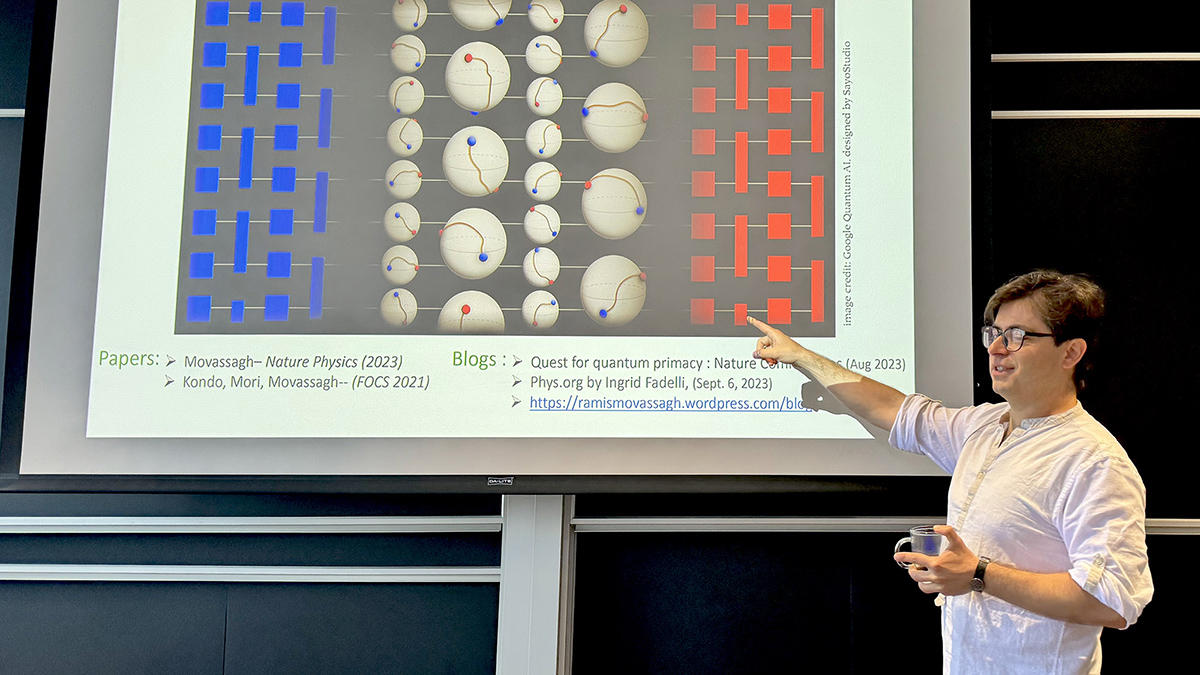
![Ramis Movassagh is on a stage pointing at a projected slide]()
Ramis Movassagh ’04
The academic and professional journey of Ramis Movassagh ’04, engineering physics, is a story of opportunistic success achieved through perseverance, academic ability, and a positive attitude, facilitated by a B.S. in engineering physics.
-
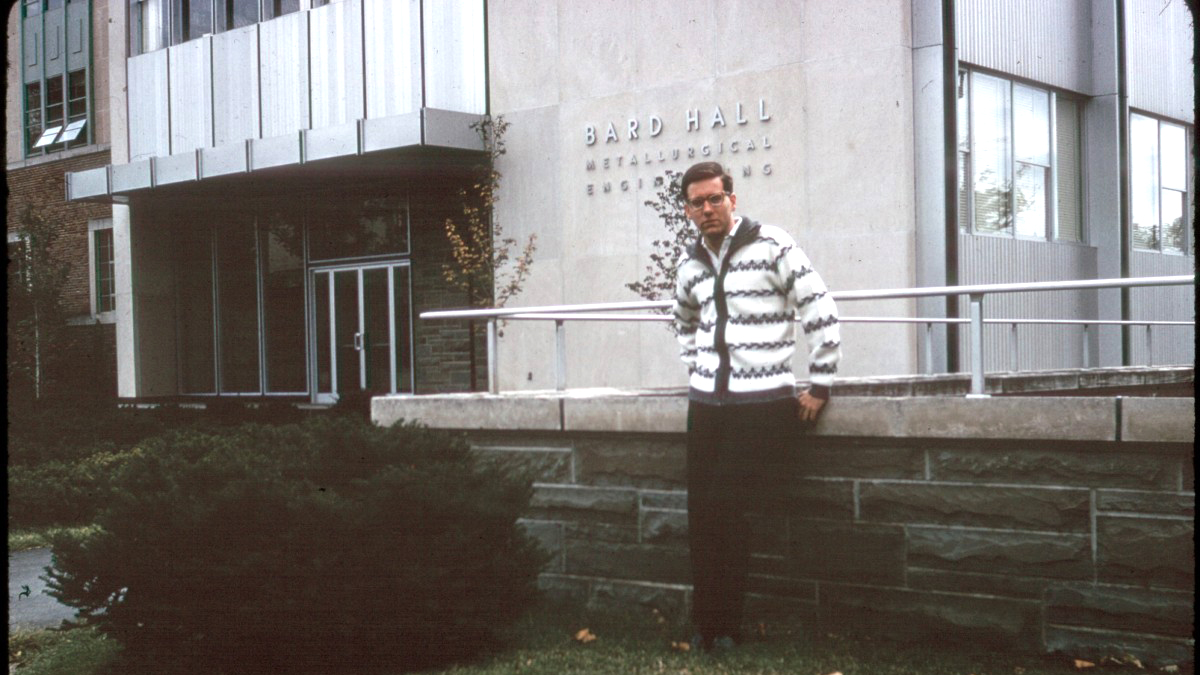
![Herb Fonticalla '67 stands in front of Bard Hall in a photo from the 1970s]()
Herb Fontecilla ’66, M.Eng. 67
Herb Fontecilla ’66, M.Eng. 67, came to Cornell with the encouragement of Marie Reith, a 1921 graduate who recognized his potential. Decades later, Fonticella has committed to funding a new scholarship that honors the woman who helped him begin his Cornell journey and supports future first-generation engineers.
New Faculty
-
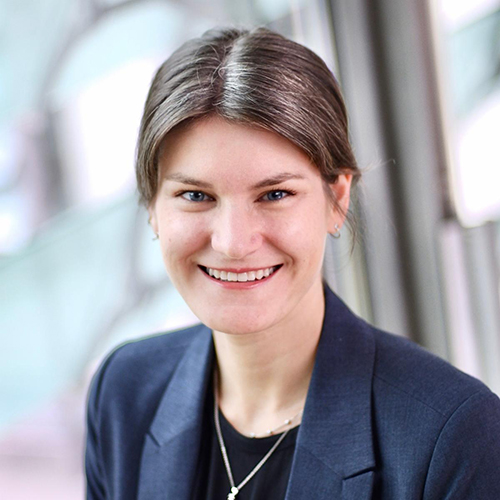
![Berit Goodge]()
Welcome, Berit Goodge!
Berit Goodge Ph.D. ’22 joined the School of Applied and Engineering Physics as an assistant professor in July, 2026 to establish a lab that seeks to push the limits of advanced electron microscopy for understanding and designing functional quantum materials. Her graduate work focused on the development and application of techniques for high resolution imaging and spectroscopy of novel quantum materials. She was a Presidential Postdoctoral Fellow at U.C. Berkeley before moving to Germany as a Schmidt Science Fellow and Minerva Group Leader at the Max Planck Institute for Chemical Physics of Solids where her group leveraged interdisciplinary approaches to studying superconducting nickelate compounds.
-
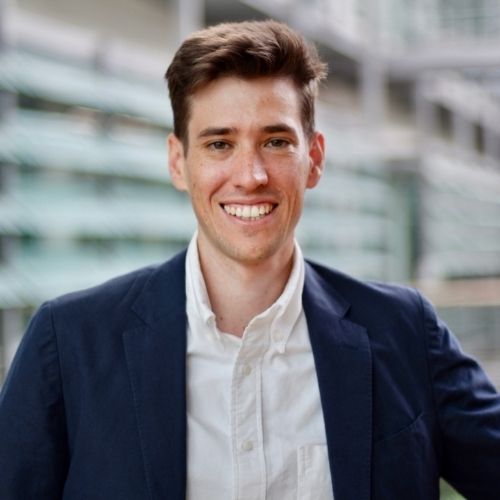
![Matt Ferguson]()
Welcome, Matt Ferguson!
Matt Ferguson Ph.D. ’22 joined the Cornell faculty in 2026 as an assistant professor holding appointments in the department of Materials Science and Engineering and the School of Applied and Engineering Physics. His doctoral work focused on using scanning superconducting sensors to visualize the electronic properties of superconductors and topological insulators. He then moved to the Max Planck Institute for Chemical Physics of Solids in Dresden, where he developed techniques to probe and control the properties of superconducting and magnetic materials.
Faculty Awards and Recognition
-
Joel Brock
Joel Brock was awarded the 2026 Hollomon Award for Materials & Society. He received this “Pinnacle Award” during the TMS (the Minerals, Metals, & Materials Society) Spring Meeting held in San Diego, California in March 2026.
-
Ankit Disa
Ankit Disa was awarded the prestigious Oxide Electronics Prize for Excellence in October, 2025, in recognition of his groundbreaking contributions to oxide electronics and quantum materials. The honor was presented at the International Workshop on Oxide Electronics, the leading global forum for research on functional oxides. In December, Disa also completed the inaugural Radical Humanity in Research program, designed to strengthen the human foundations of high-impact research.
-
Greg Fuchs
Greg Fuchs was named as the inaugural James R. Meehl Professor in July 2025, and elected as a Fellow of the American Physical Society in October, 2025.
-
Peter McMahon
Peter McMahon was awarded tenure and promoted to Associate Professor in July, 2025.
-
Jeffrey Moses
Jeffrey Moses was awarded a SPROUT award in June, 2025 for a joint project with Robert DiStasio, Jr., associate professor in the Department of Chemistry and Chemical Biology, “Harnessing the atmosphere as an adaptive optical medium: Towards sensitive and specific remote detection of greenhouse gases and trace contaminants.” The project aims to show that optical constants of certain molecules can be controlled with ultrafast lasers via a novel nonlinear optical mechanism, using a comparison of experiments and predictive computational methods.
-
David Muller
David A. Muller was elected to the National Academy of Engineers in February, 2026, for his contributions to developing the highest resolution electron microscope in the world. He was also named a Highly Cited Researcher in the 2025 list by Clarivate Analytics, which “identifies and celebrates individuals who have demonstrated significant and broad influence in their fields of research.”
-
Lois Pollack
Lois Pollack won a 2025 EPICC award from Duffield Engineering for Purpose for her “steady, transparent leadership across the college and the broader university community. Balancing multiple responsibilities, she brings clarity, fairness and empathy to her decision-making, embodying purpose in action.”
-
Jie Shan
Jie Shan was named a Highly Cited Researcher in the 2025 list by Clarivate Analytics, which “identifies and celebrates individuals who have demonstrated significant and broad influence in their fields of research.”
-
Chris Xu
Chris Xu co-hosted the 2025 Cornell Neurotech Mong Family Foundation Symposium featuring Princeton University neuroscientists Mala Murthy and H. Sebastian Seung, whose pioneering research encompasses experimental and computational approaches to understanding the brain.
-
Kenji Yasuda
Kenji Yasuda won a 2026 Office of Naval Research Young Investigator Award (Code 31) for his work on “Superlubric Sliding Ferroelectrics for Ultralow-Power Nonvolatile Memory.” He also won a 2025 Cornell Duffield Engineering Teaching Award for “exceptional teaching ability, consistently earning some of the highest teaching evaluations in applied and engineering physics.”
Research Highlights
-
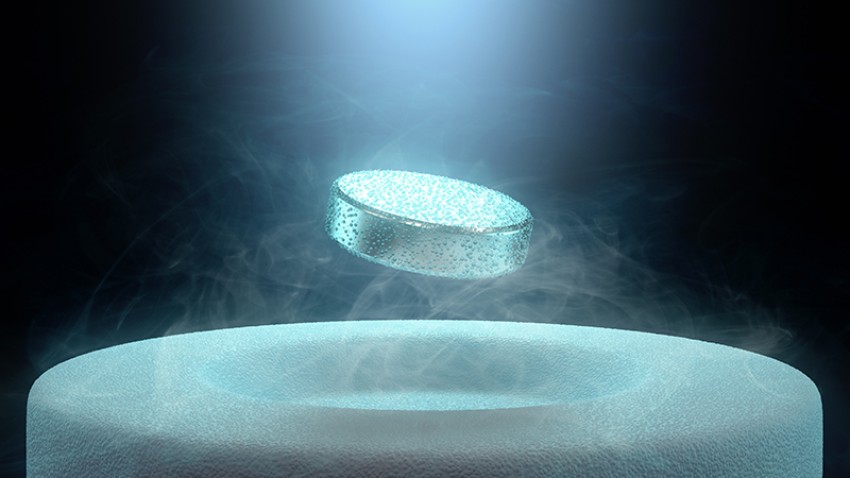
![superconductor]()
Atomic distortions reveal new clues about superconductivity
A new study shows how tiny changes in atomic structure can strongly influence whether a material becomes superconducting.
-
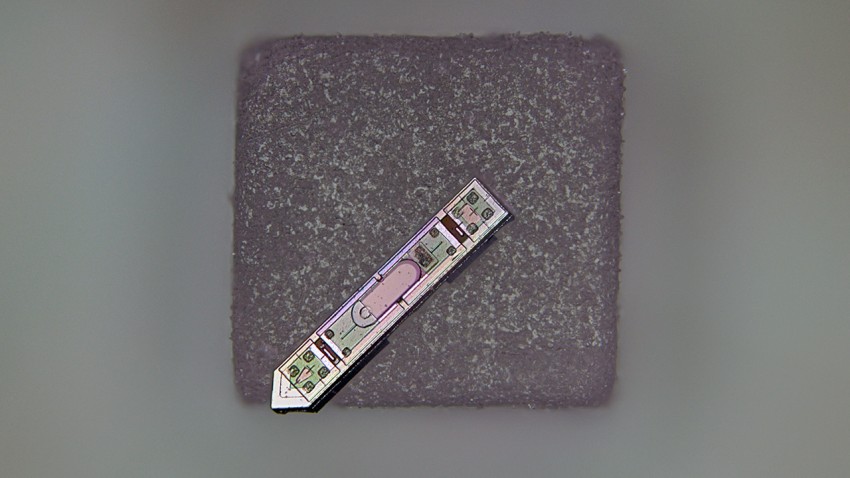
![A neural implant developed at Cornell rests on a grain of salt. About 300 microns long and 70 microns wide, it’s the smallest neural implant capable of wirelessly transmitting brain activity data.]()
Neural implant smaller than salt grain wirelessly tracks brain
Cornell researchers and collaborators have developed a neural implant so small that it can rest on a grain of salt, yet it can wirelessly transmit brain activity data in a living animal for more than a year.
-
![]()
Programmable optical chip merges photons to change color
Cornell researchers have built a programmable optical chip that can change the color of light by merging photons, without requiring a new chip for new colors – technology that could potentially be used for classical and quantum communications networks.
-
![]()
Cryo-imaging gives deeper view of thick biological materials
Researchers devised a new method to image intact bacterial cells and large organelle up to 500-800 nanometers thick – a roughly fivefold improvement over current methods.


-
![]()
Ultrafast infrared light pulses cause thin film to ‘breathe’
Cornell researchers have demonstrated that, by zapping a thin film with ultrafast pulses of low-frequency infrared light, they can cause its lattice to atomically expand and contract billions of times per second, potentially switching its electronic, magnetic or optical properties on and off.
-
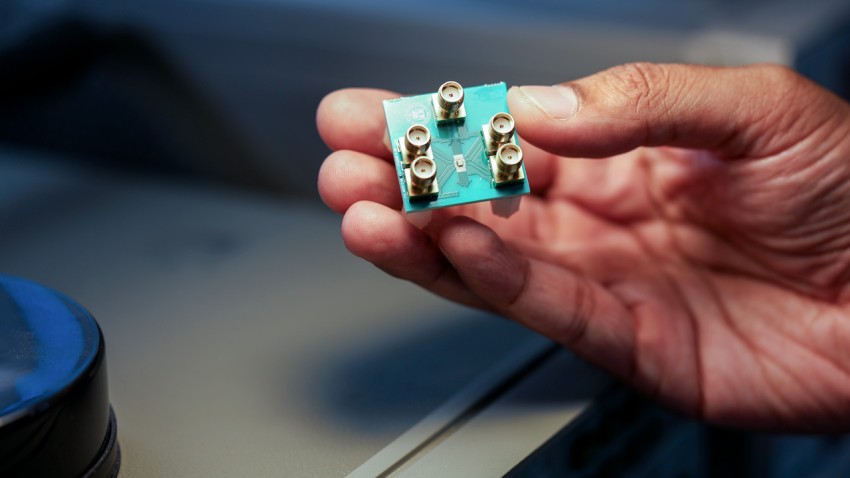
![Low-power microchip called a “microwave brain,”]()
Researchers build first ‘microwave brain’ on a chip
Cornell Engineering researchers have developed a low-power microchip they call a “microwave brain,” the first processor to compute on both ultrafast data signals and wireless communication signals by harnessing the physics of microwaves.
-
![]()
Fix discovered for elusive gallium-oxide contact problem
Cornell researchers have uncovered a microscopic layer of carbon contamination, often left behind by air exposure and fabrication techniques, that impairs electrical flow in devices made with gallium oxide. They also found a solution.
-
![laser]()
New technique turns ‘noisy’ lasers into quantum light
Scientists have discovered a way to convert fluctuating lasers into remarkably stable beams that defy classical physics, opening new doors for photonic technologies that rely on both high power and high precision.



2026 Student Spotlights
-
![]()
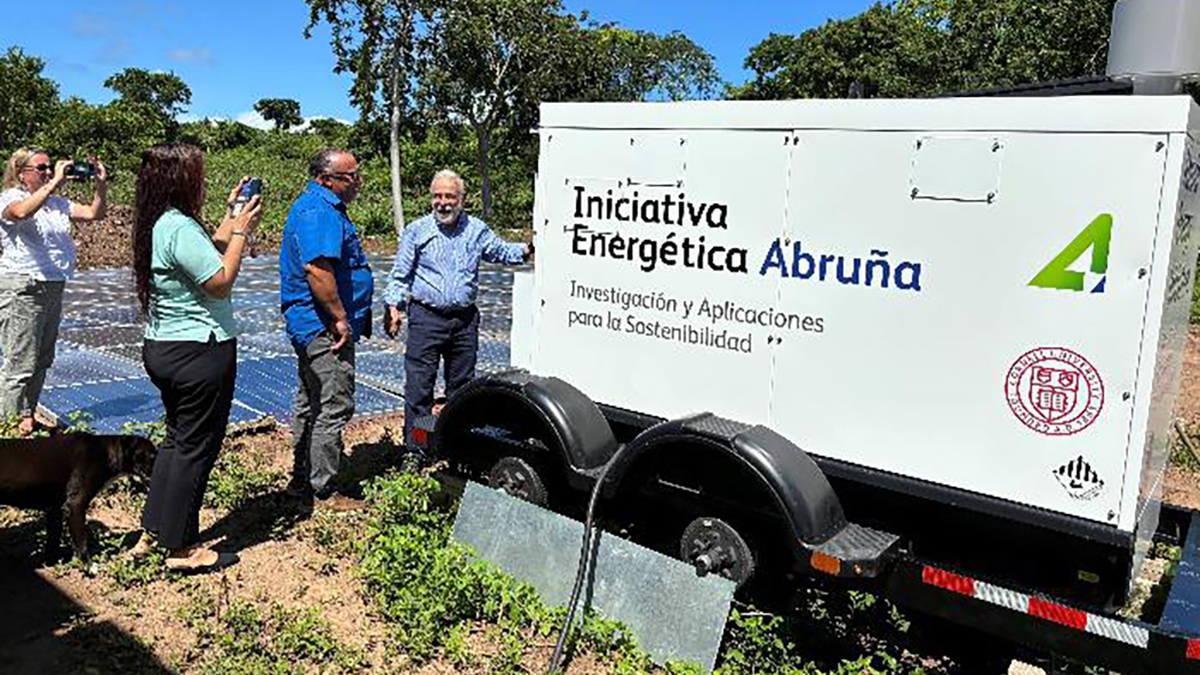
Alex Van Den Hende
Alex Van Den Hende M.Eng. ’25, worked on a project to advance a resilient renewable microgrid in Vieques, Puerto Rico, combining short-term batteries with long-term green hydrogen storage.
-
![]()
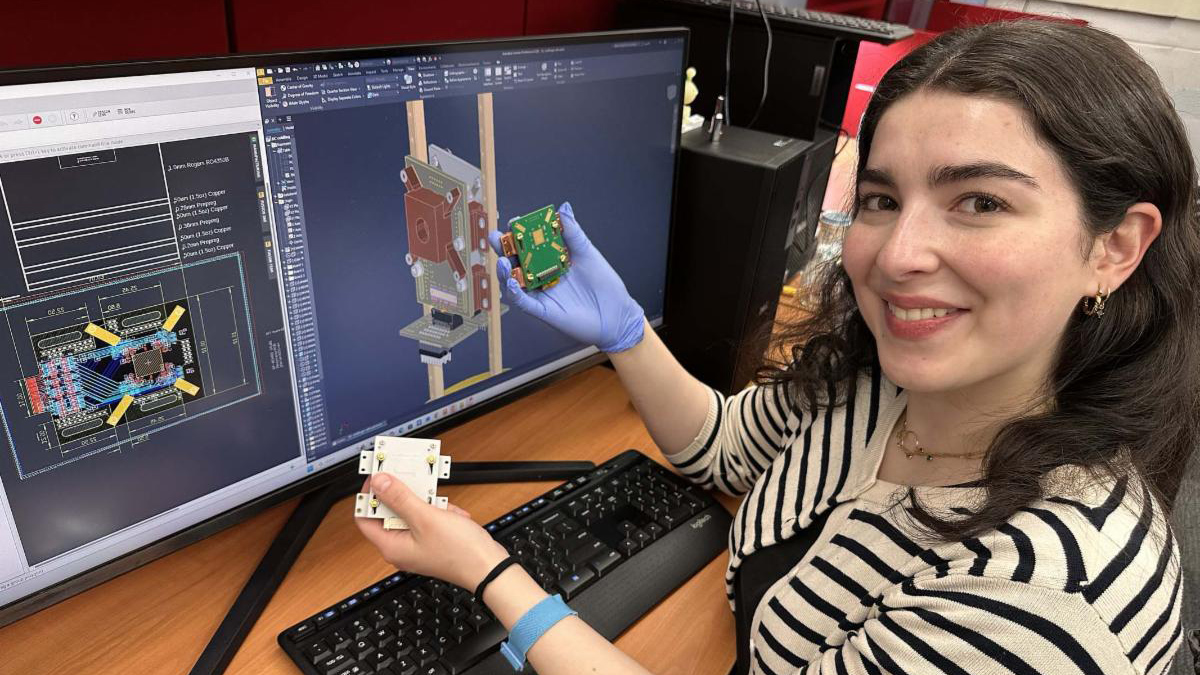
Sofia Perreira
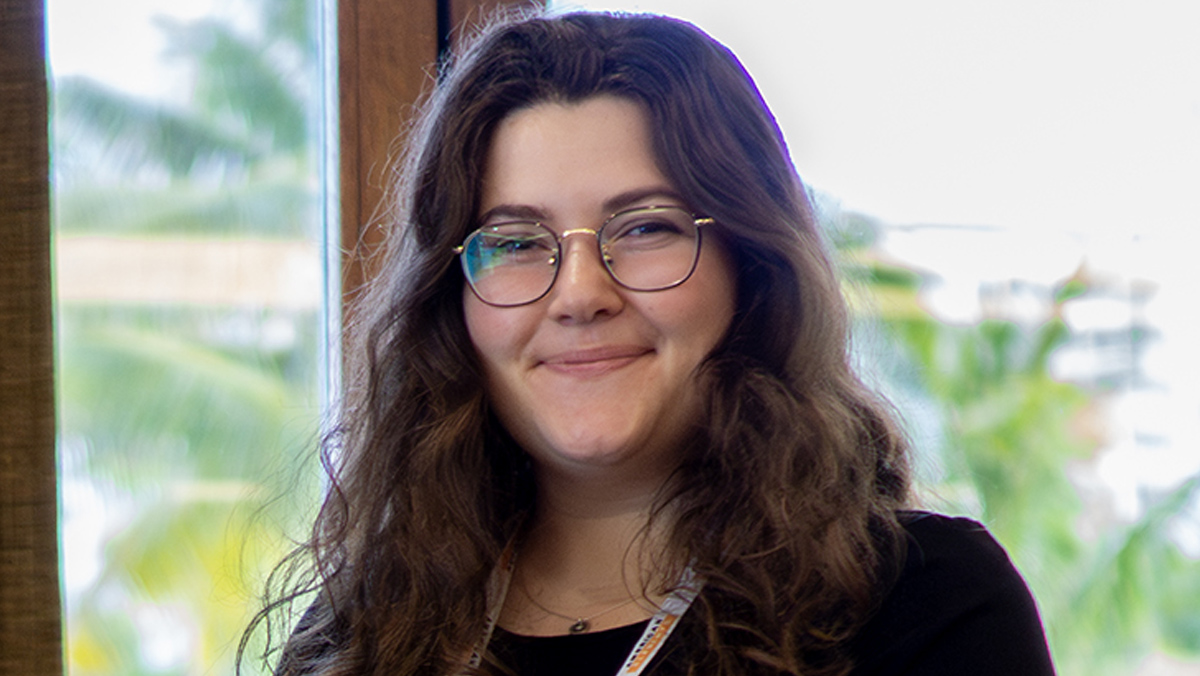
Sofia Perreira M.Eng. ’26, is a 2023 Cornell physics graduate who found her ideal path to a career by pursuing an M.Eng. in engineering physics.
-
![Eleanor Richard]()
Eleanor Richard
Eleanor Richard ’25, was among the nearly 50 Merrill Scholars named at the 37th annual Merrill Presidential Scholars luncheon in May, 2025.
-
![Thomas Ugras]()
Thomas Ugras
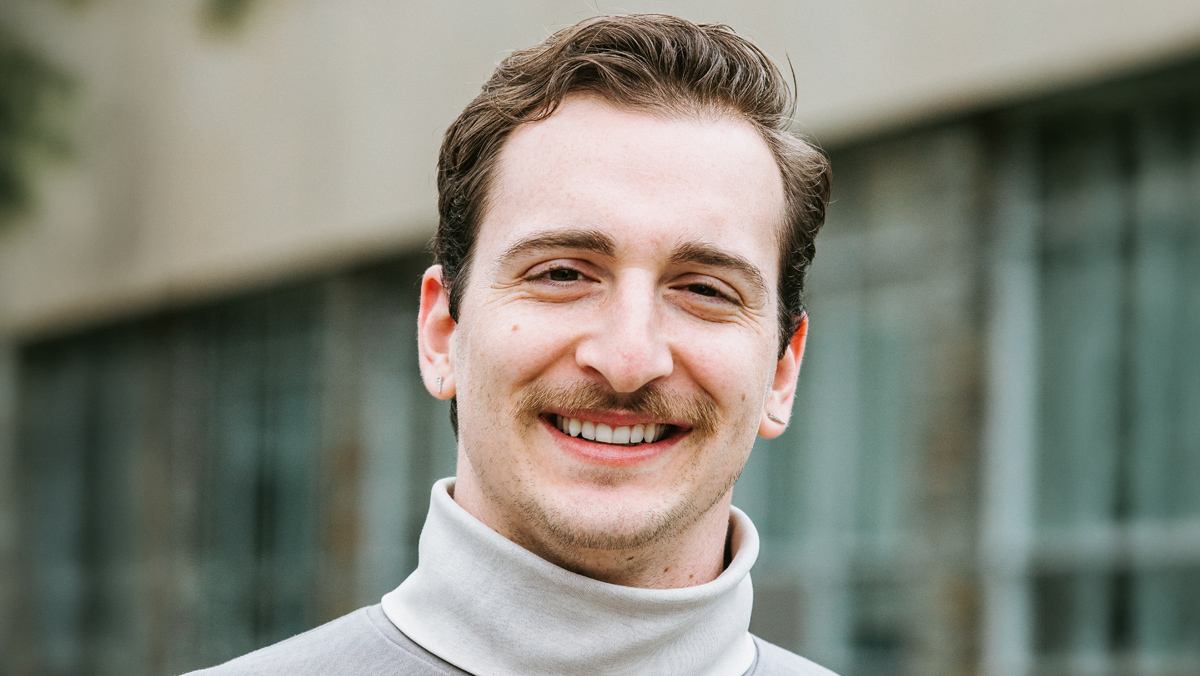
Thomas Ugras Ph.D. ’26 received the Cornell Graduate School’s Founders Dissertation Fellowship Award in November, 2025 for his work on “designing, fabricating, and modeling chiral nanocluster assemblies to uncover how complex optical anisotropies—like strong circular dichroism or nonreciprocal transmission—emerge from fundamentally achiral building blocks.
-
![Shake Karapetyan]()
Shake Karapetyan
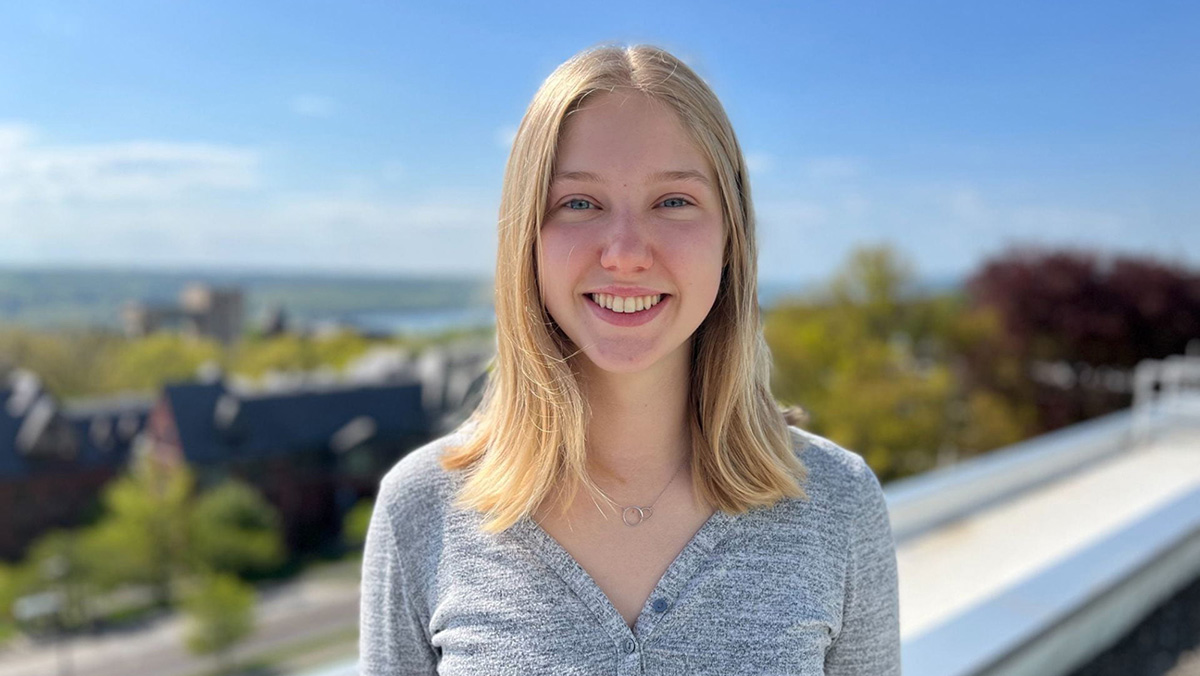
Shake Karapetyan, Ph.D. candidate, was lead author on a paper that published on February 23, 2026 in Nature Communications entitled, Electron microscopy shows ‘mouse bite’ defects in semiconductors.
Commencement
2026 Award Winners
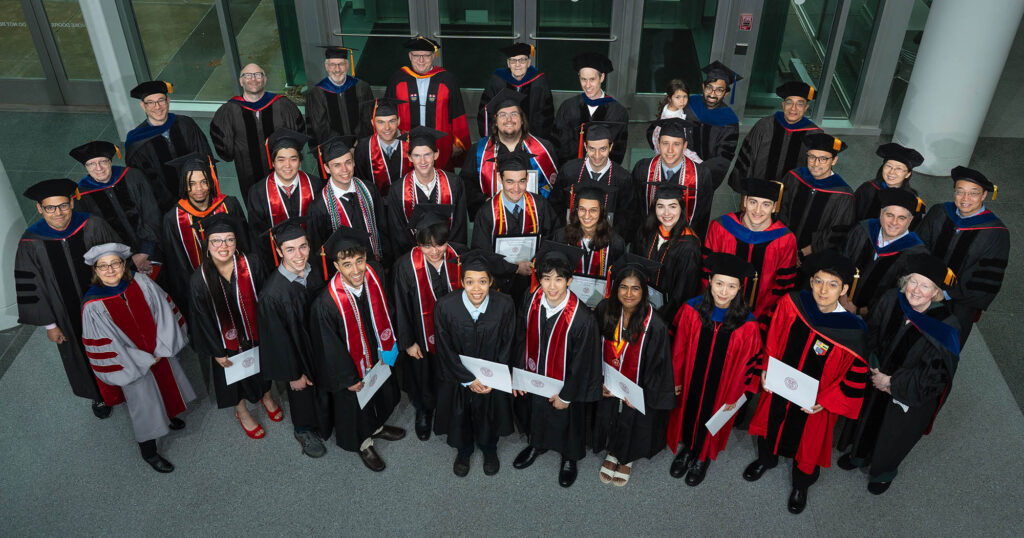
Congratulations to our 2026 Graduates and award winners:
-
Trevor R. Cuykendall Memorial Prize for Outstanding Undergraduate Academic Achievement
Marcel Latasa
Levi Hauser -
Paul L. Hartman Prize in Experimental Physics
Aidan Kljucanin
-
Dorothy and Fred Chau Award
Ilinca Haigu (Professor Lois Pollack, advisor)
Benjamin Ash (Professor Peter McMahon, advisor) -
Henri S. Sack Memorial Award
Alexander Van Den Hende
-
David Delano Clark Award
Sofia Pereira
-
Williams Nichols Findley Award
Lopa Bhatt
Shake Karapetyan
Yiyu Xia -
Trevor R. Cuykendall Memorial Prize for Outstanding Teaching Assistant in Engineering Physics
Luc Barret
Yanzhou Wu
Staff Updates
Farewell to…
-
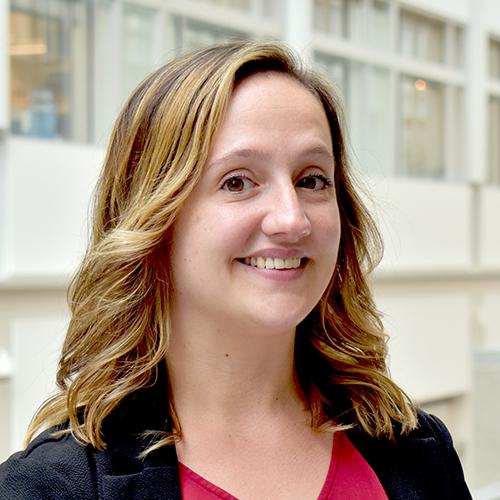
![Suzanna Dodge]()
Suzanna Dodge
Suzanna served as a steady hand in the lead finance role for our operations and faculty portfolios over the last four years. She recently accepted a position in the Office of the Vice President of Research and Innovation as the Research and Innovation Service Facility team lead in April, 2026.
We truly miss her partnership, camaraderie, and team-focused energy.
-
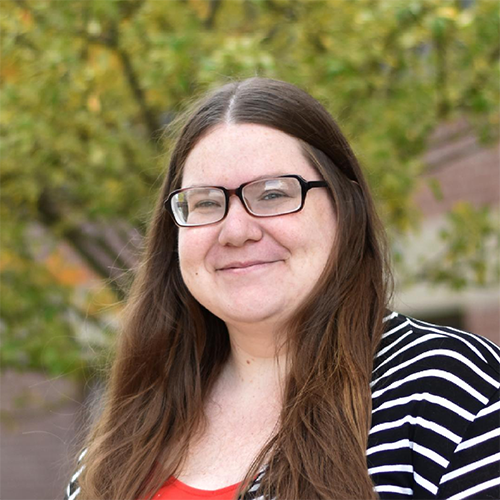
![Ann Owens]()
Ann Owens
Ann, our capable administrative assistant, accepted a new role with the College of Architecture, Art, and Planning as a human resources and payroll assistant in October, 2025.
Ann was a valued member of our team, providing support to faculty, staff, and students with professionalism and care. Her contributions have made a lasting impact, and she is greatly missed.
Welcome to…
-
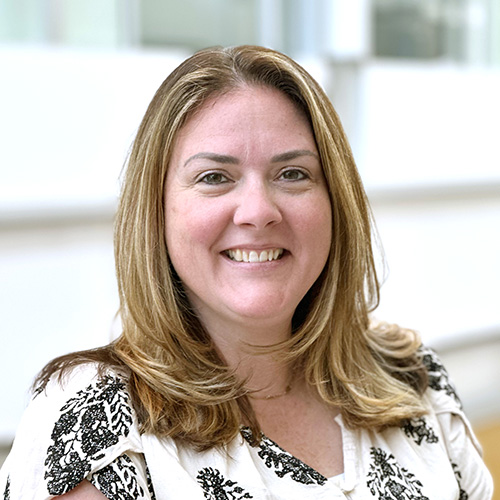
![Stephanie Michalec]()
Stephanie Michalec
Stephanie joined us in September, 2025, as our financial support representative. She has been with Cornell for 17 years, and previously offered sole support to the Meinig School of Biomedical Engineering. She now supports both schools, dividing her effort between the two.
-
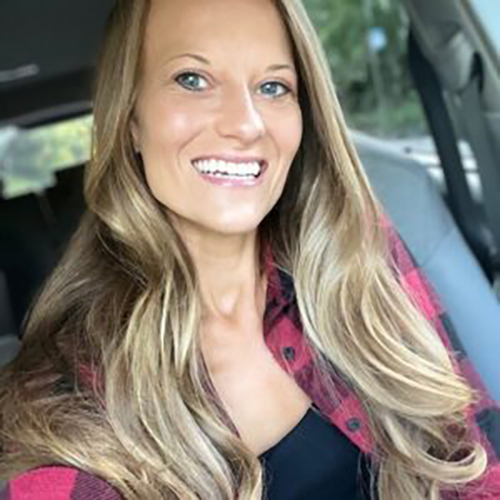
![Jennifer Orr]()
Jennifer Orr
We welcomed Jennifer to our community in May 2026 as our finance lead. Jen currently also serves as finance lead for two other schools in Cornell Duffield Engineering. She has been with Cornell for more than three years and has served in the lead finance role for the past two years.
2025 EPICC Award Winner
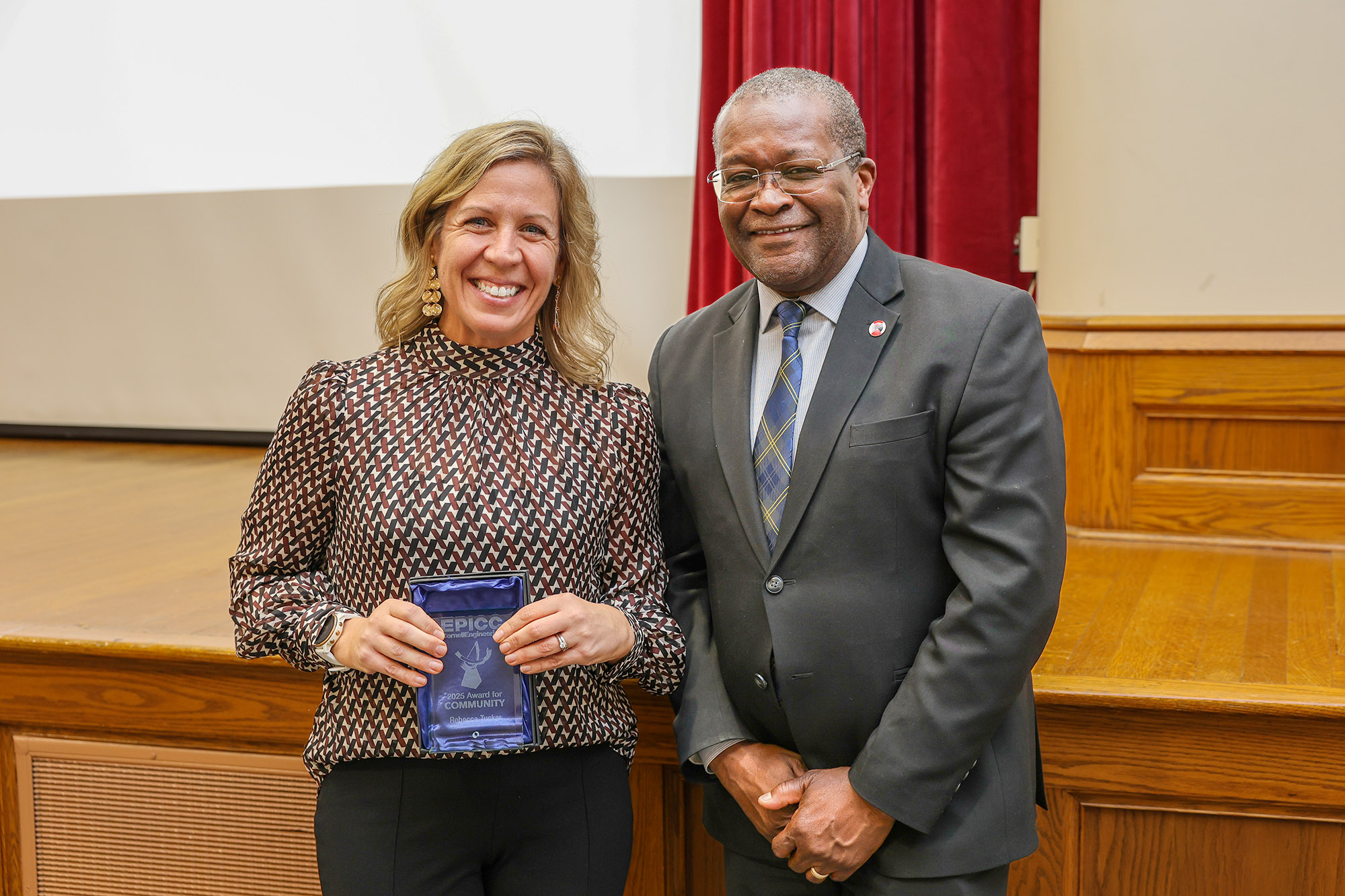
Rebecca Tucker, our school’s administrative director, received a 2025 EPICC award in the Community category and was recognized for “her compassionate leadership and commitment to professional growth. Her consistent communication, recognition of team milestones, and focus on individual development create a workplace defined by respect and care.”